Save money on new beds with raised garden filling ideas like branches, cardboard, yard waste, straw, compost, local materials, layered lasagna gardening, and smart soil topping.
- Raised beds do not need to be filled entirely with expensive bagged soil to work well.
- Layering organic material helps save money while building long-term soil structure.
- The best budget-friendly approach balances free materials with a quality top growing layer.
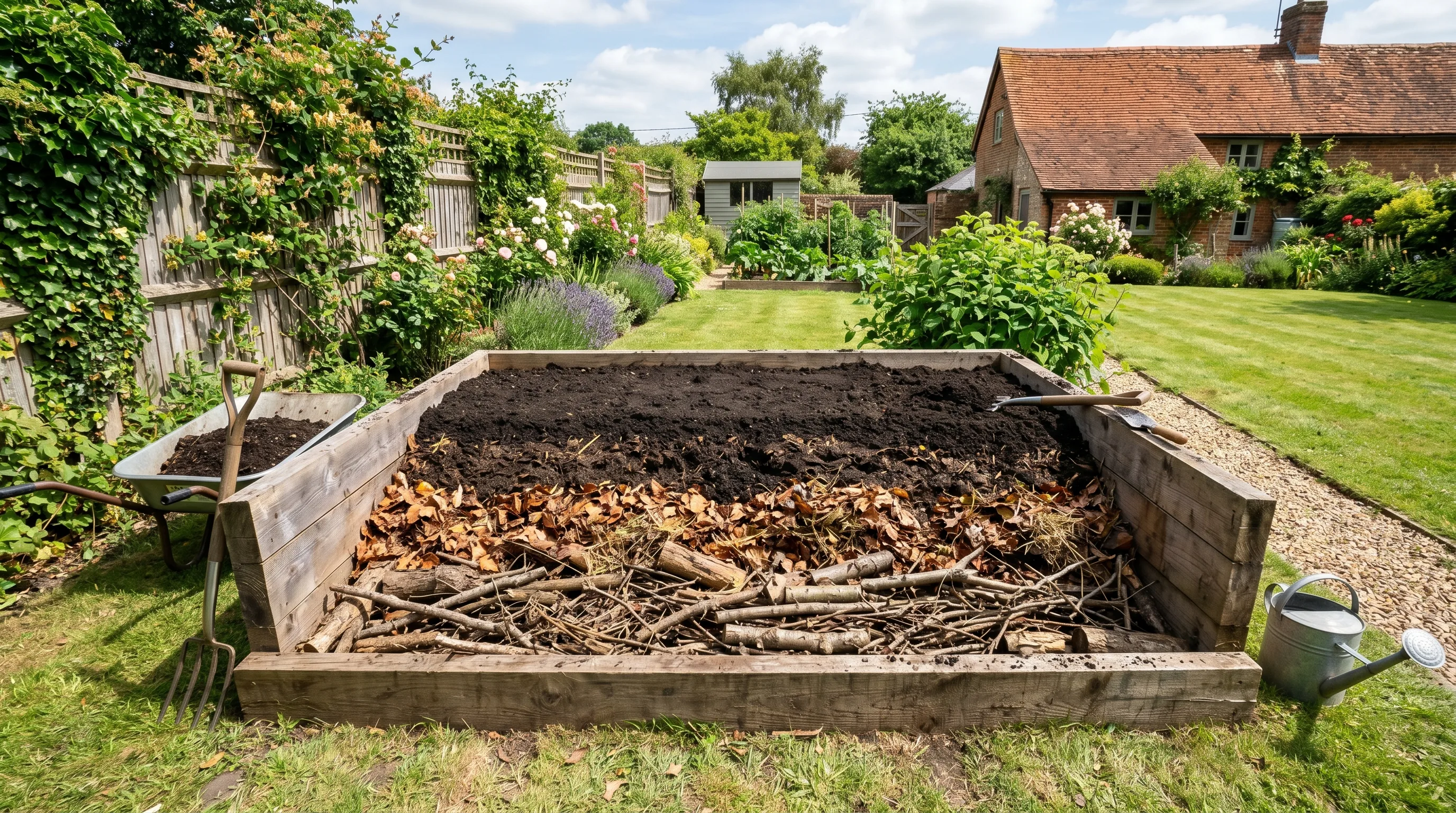
1. Start with branches, leaves, and compost below
Bulking out the lower portion of a bed with woody and leafy material is one of the best ways to save money while still building useful soil over time. The top layer matters most for planting.
2. Lay down cardboard before adding organic material
Cardboard can suppress weeds while becoming part of the lower bed layers. It is a simple, inexpensive step that helps the whole setup start cleaner.
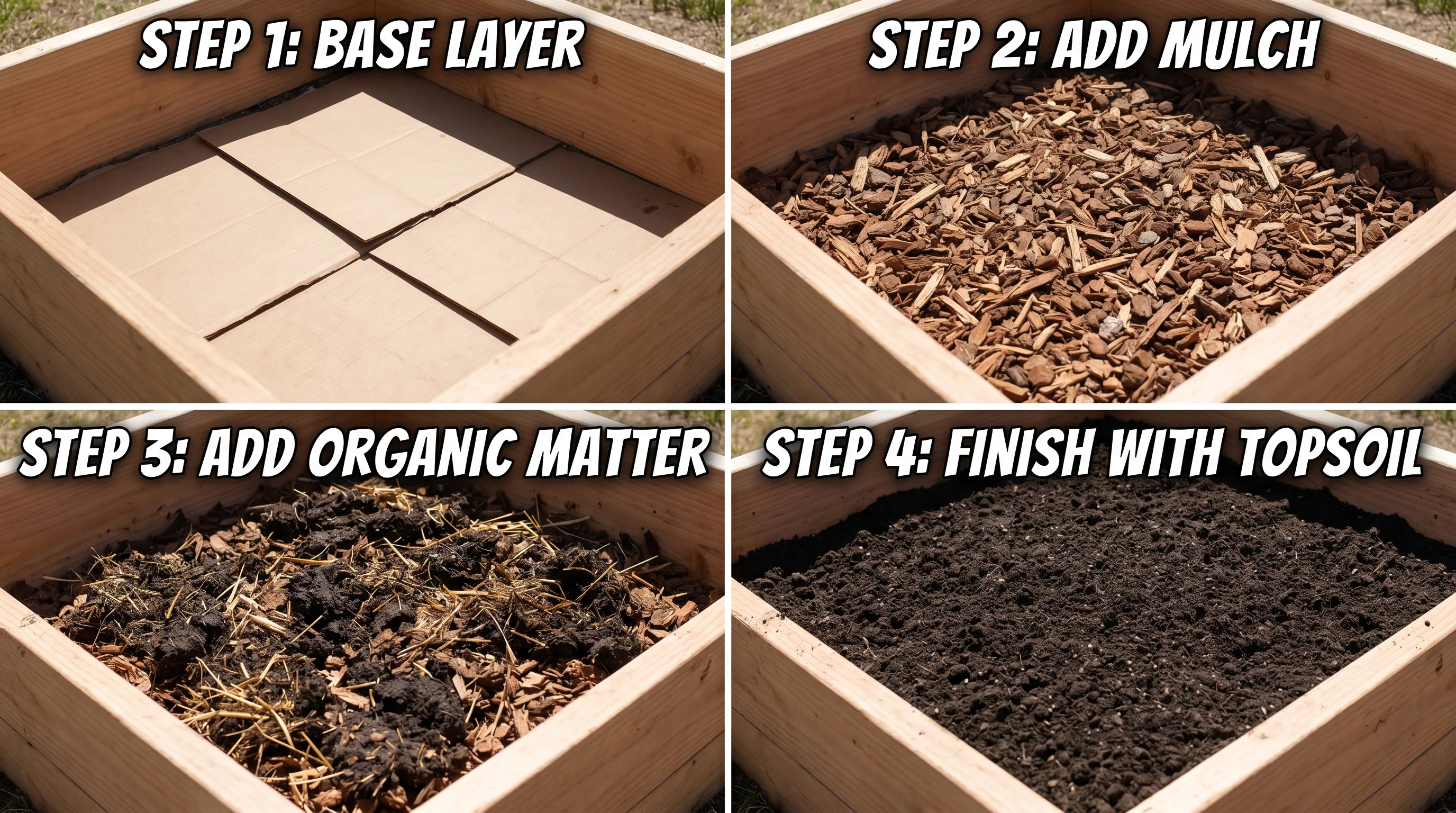
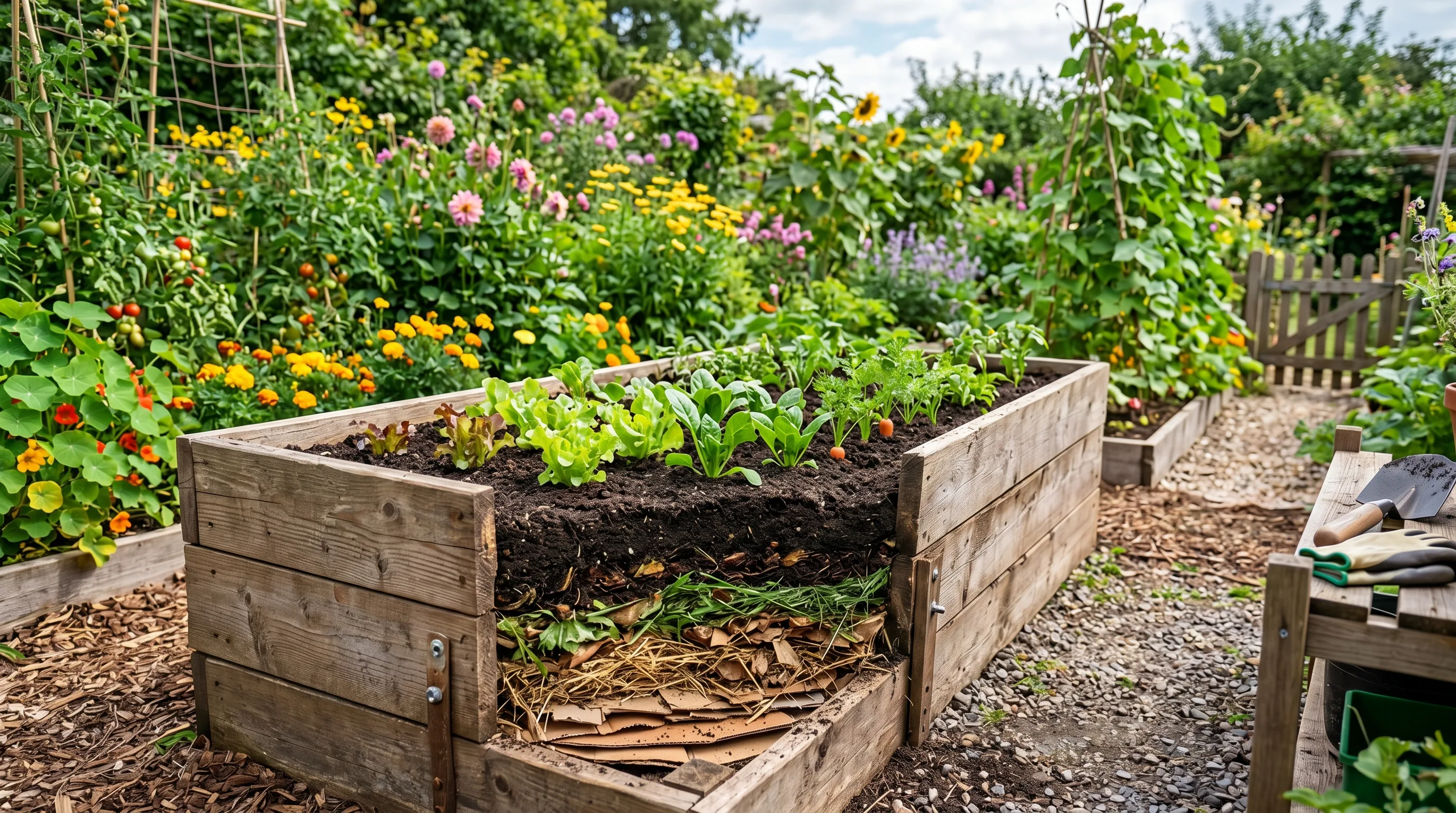
3. Use lasagna-style layering for depth and savings
Layering yard waste, compost, and soil creates a more economical fill while also encouraging gradual decomposition and structure. It is one of the smartest methods for larger beds.
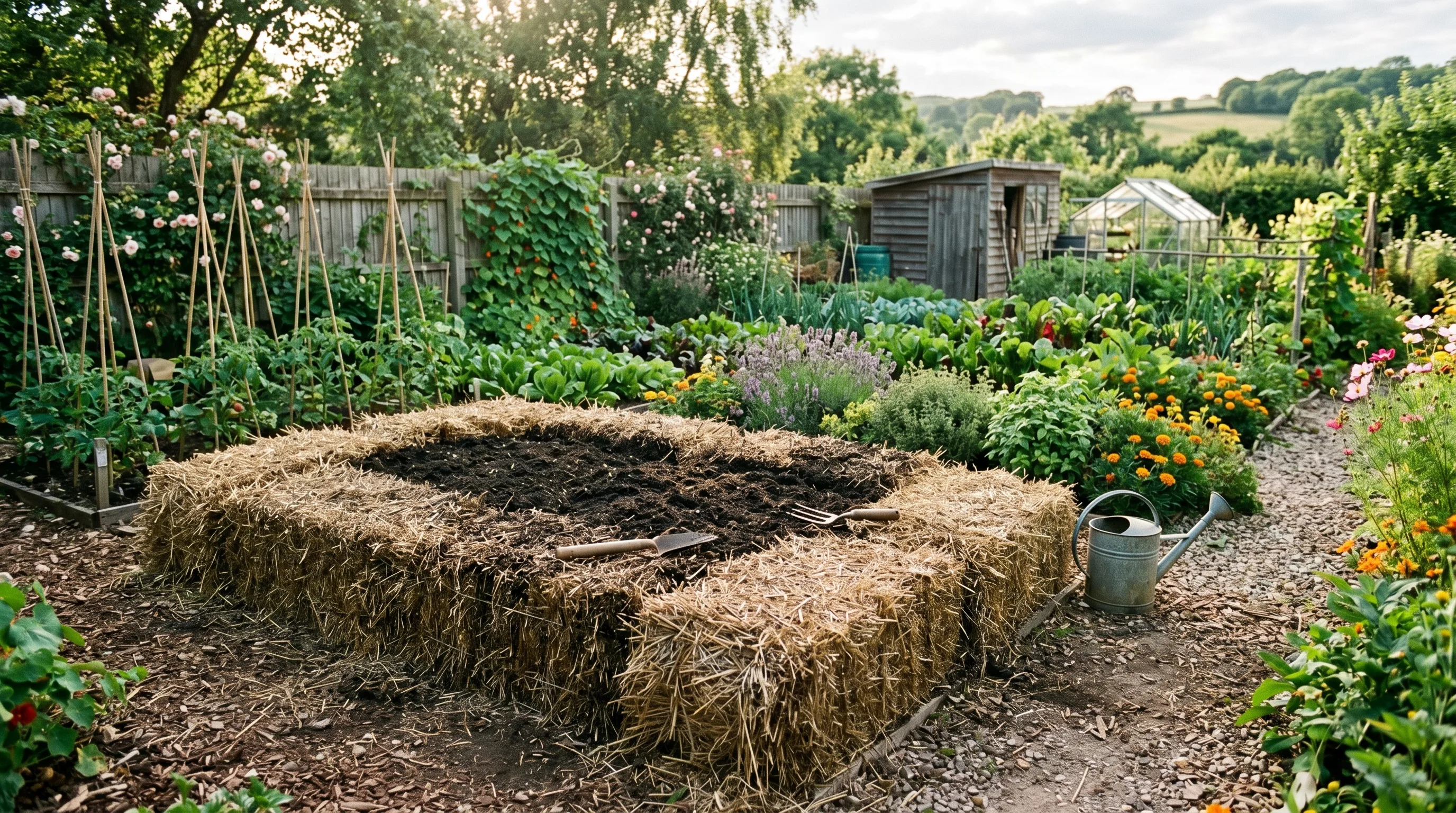
4. Add straw as a cost-saving filler layer
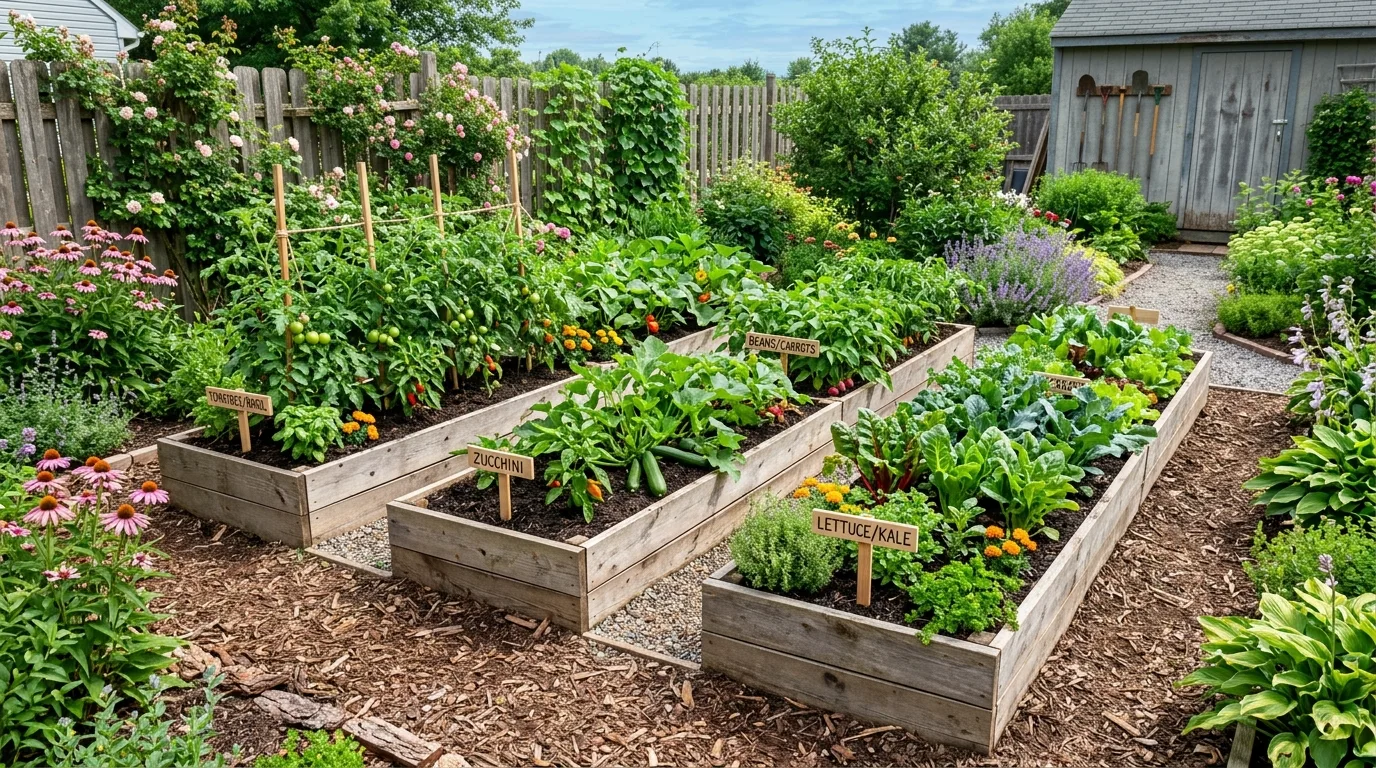
Straw can help bulk out volume and works especially well when combined with compost and a better planting layer above. It is a useful option in rustic kitchen gardens.
5. Turn compostable kitchen scraps into bed volume
Kitchen waste can become part of a longer-term soil-building system when used thoughtfully in lower layers or compost. It helps stretch the budget while reducing waste.
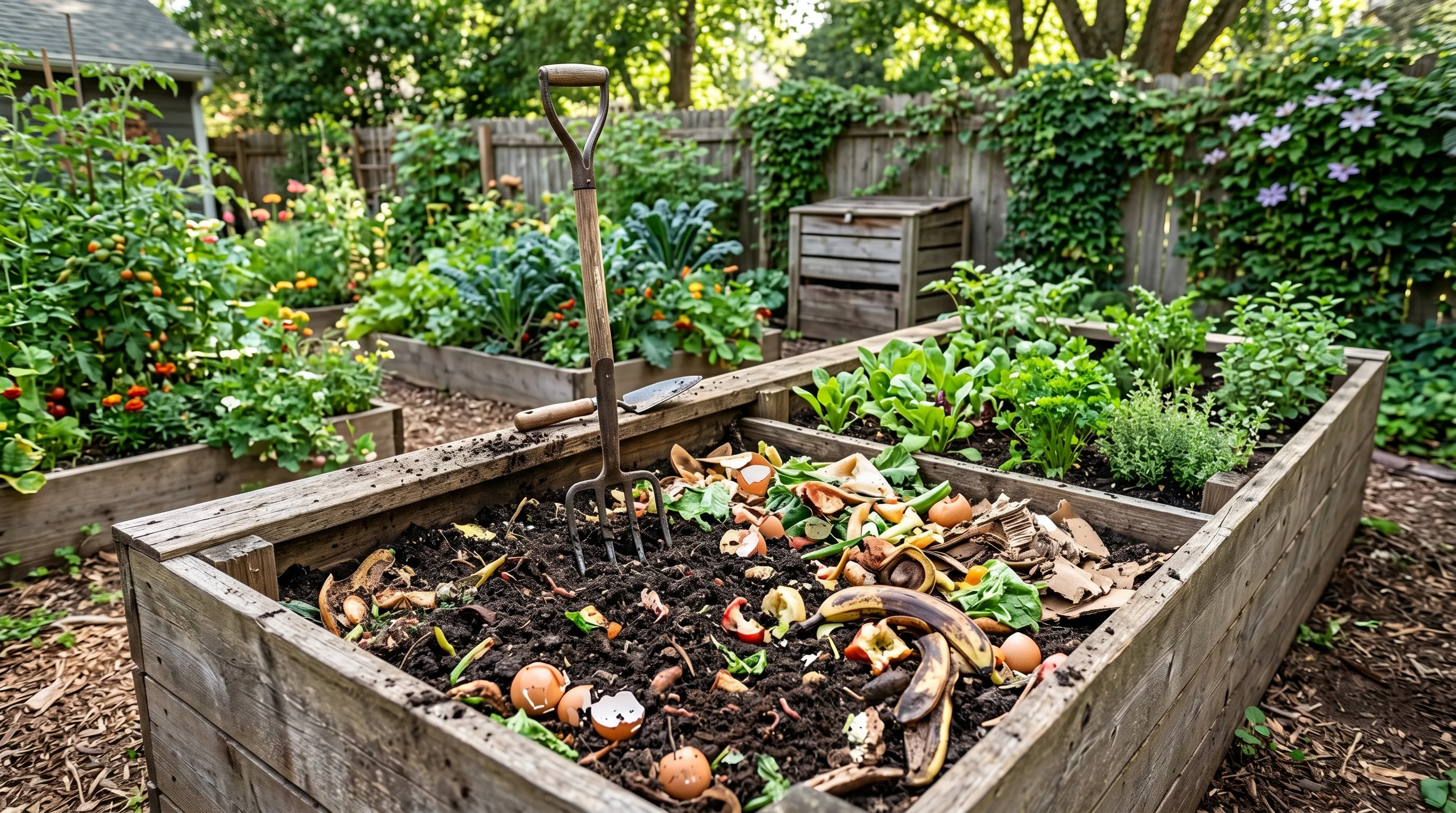
6. Leave the layers visible while you build
Seeing the distinct layers in a bed helps you understand how the system works and where the best soil needs to go. It also keeps the filling process more intentional.
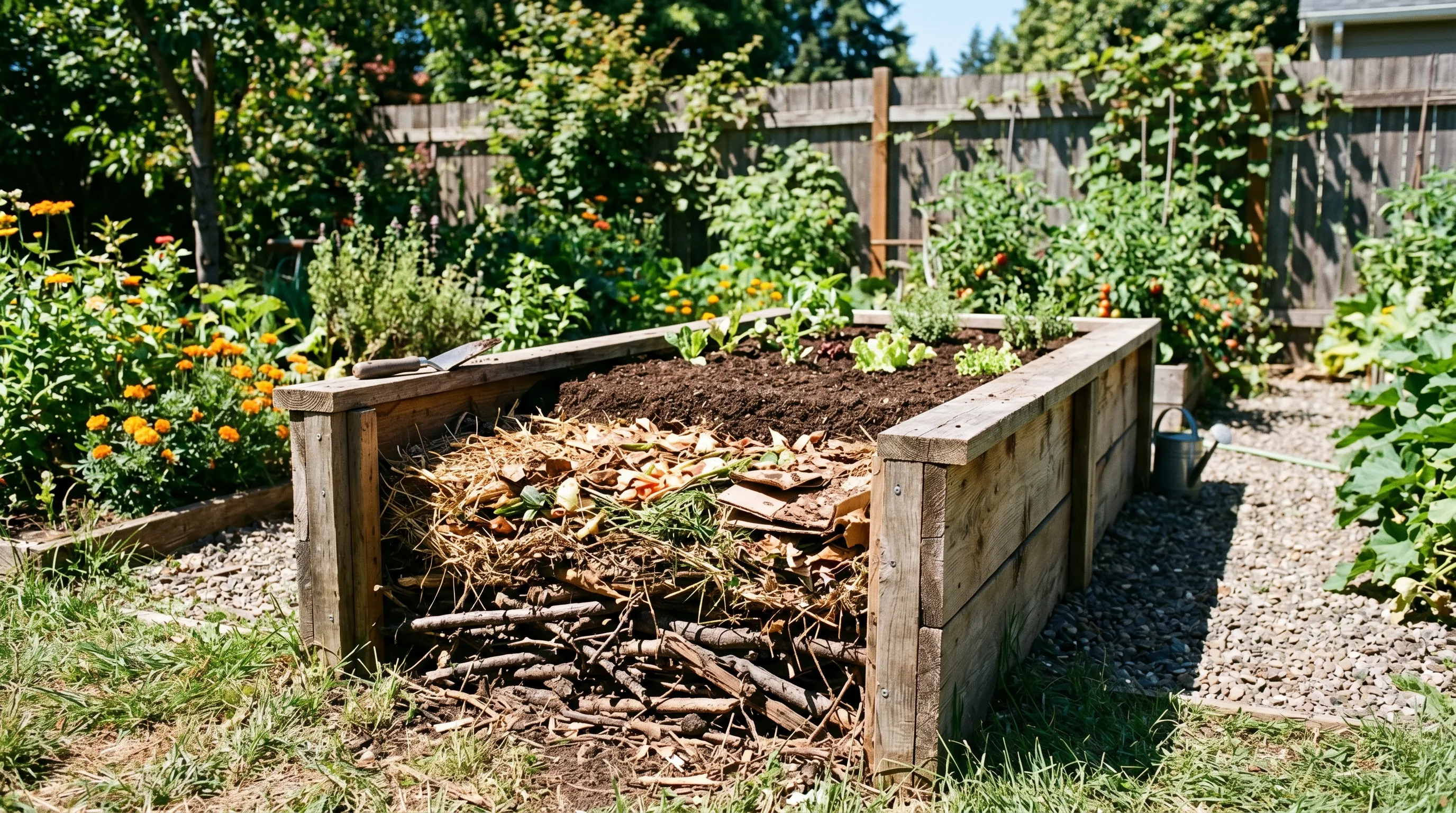
7. Use free local materials like leaves and grass clippings
Yard waste can become a valuable resource rather than something to dispose of. Leaves, clippings, and paper-based browns are especially useful when layered thoughtfully.
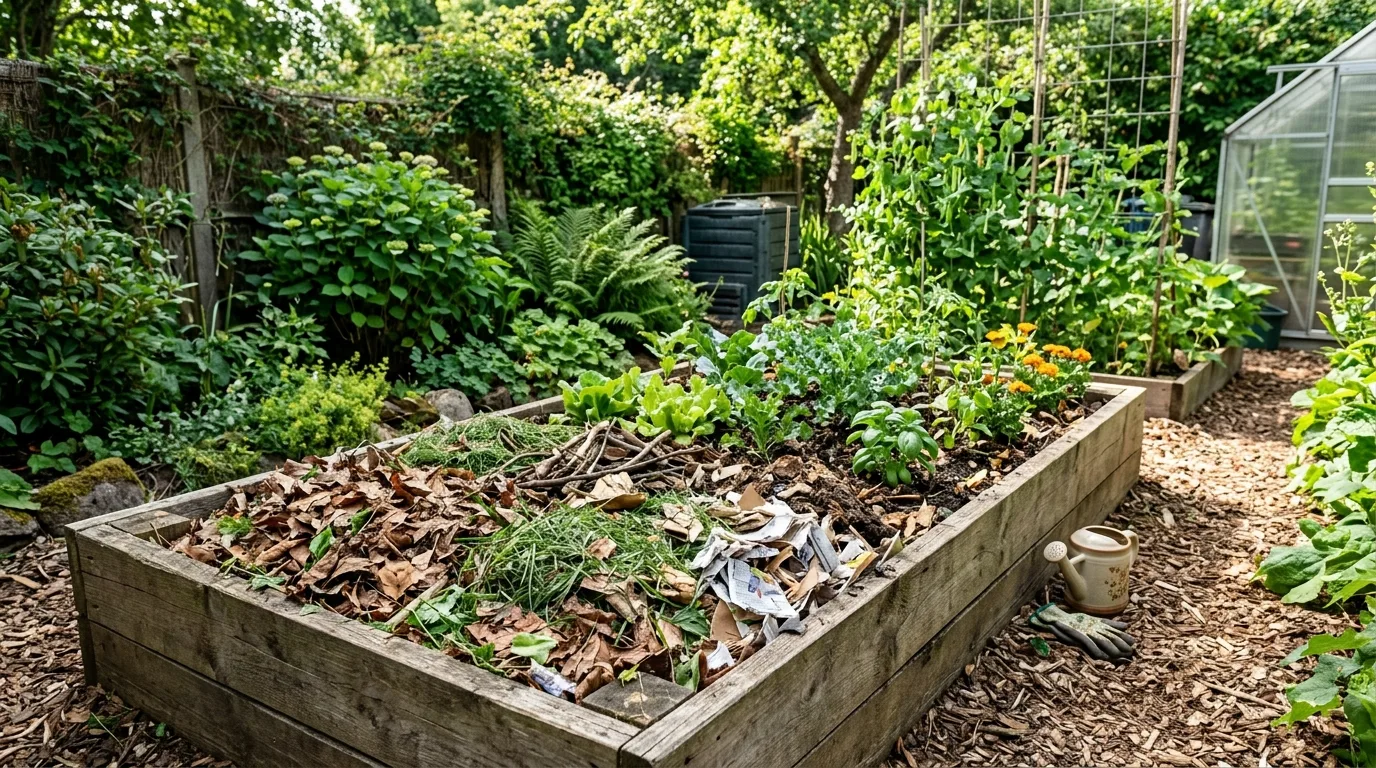
8. Spend more only on the top growing layer
If bagged soil is part of the plan, it makes more sense to reserve it for the top portion where roots actually need the best texture right away. That targeted spending stretches the budget further.
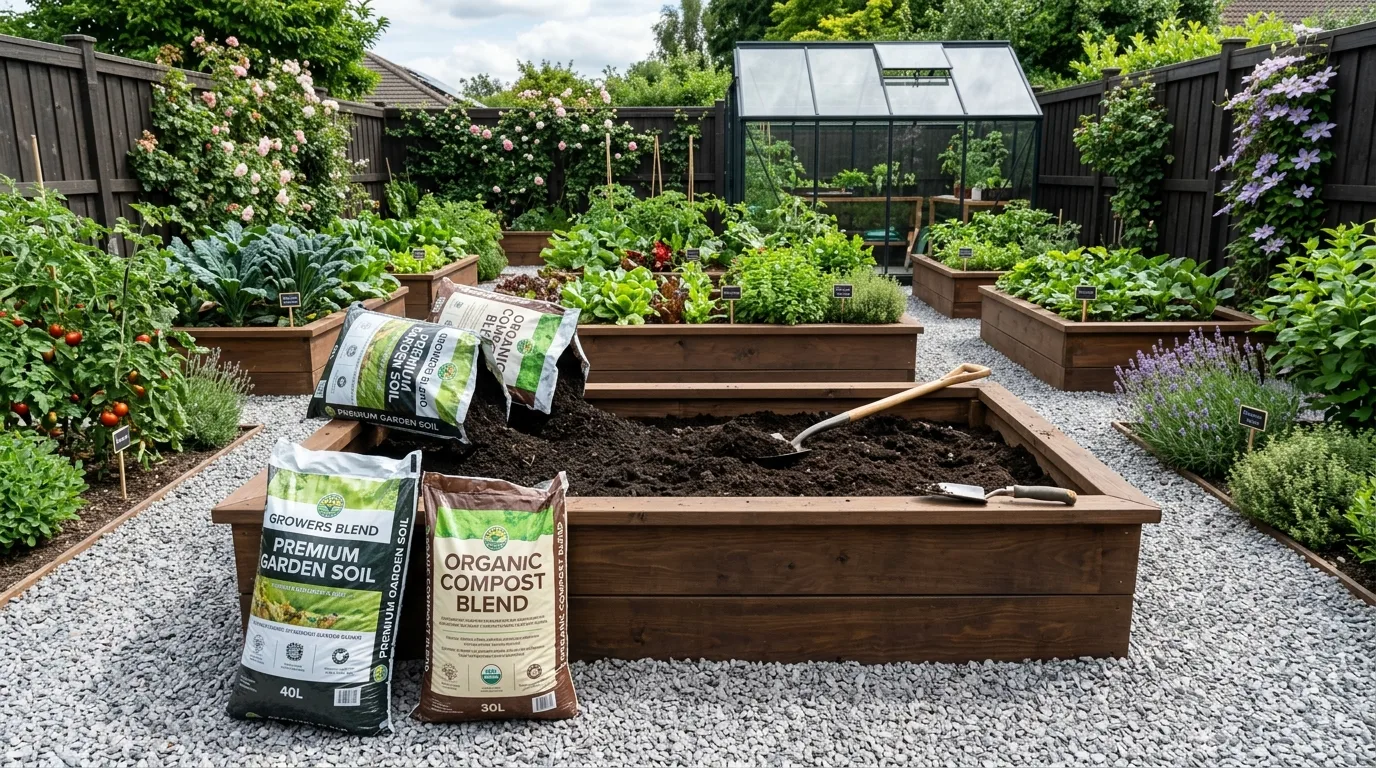
9. Use bulk delivery for larger beds
For bigger garden builds, wheelbarrow delivery of soil or compost often works out far better than buying many small bags. It is practical, efficient, and usually more affordable.
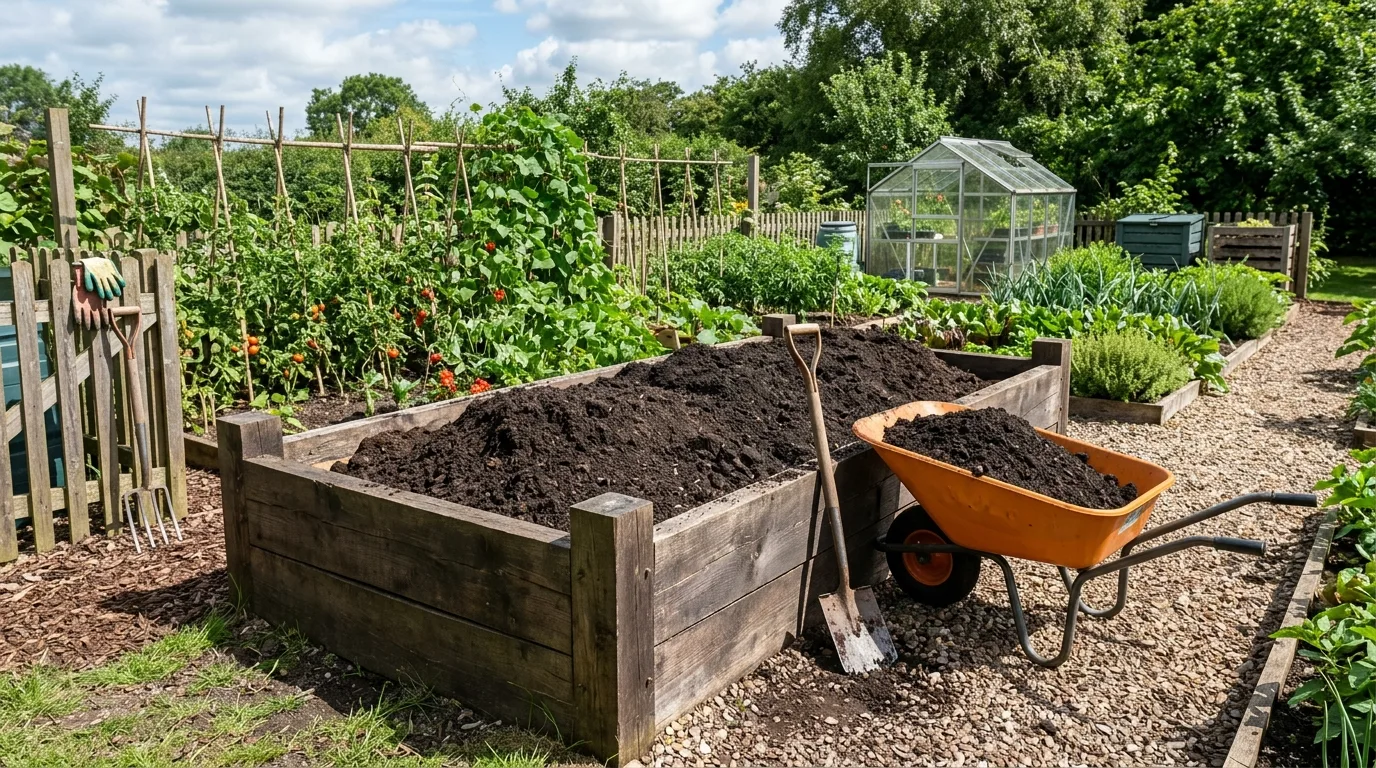
10. Compare a few different filling methods before committing
Not every bed needs to be filled exactly the same way. Comparing methods helps you choose the right balance between cost, speed, and long-term soil quality.
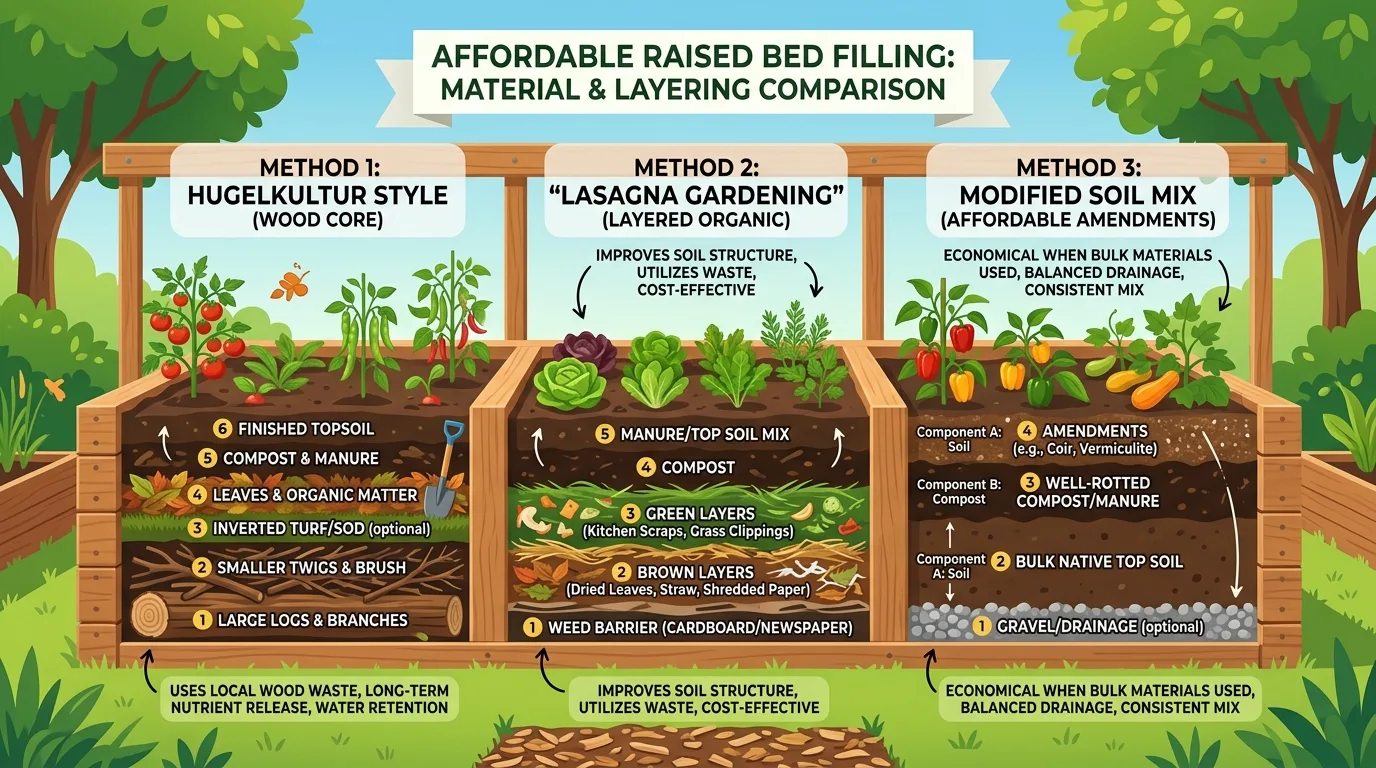
11. Finish with a productive top layer that supports healthy growth
The most budget-friendly raised beds still succeed because the final planting surface is good enough for vegetables and flowers to thrive. Saving money works best when it still ends in healthy soil where it counts.