Support more backyard wildlife with feeding station ideas like rustic frames, squirrel-proof feeders, bird baths, branch structures, balcony feeders, habitat corners, and woodland setups.
- The best feeding stations support multiple species and still feel integrated into the garden.
- Water, shelter, and planting are just as important as the feeders themselves.
- A clever wildlife station balances accessibility for animals with durability and visual order.
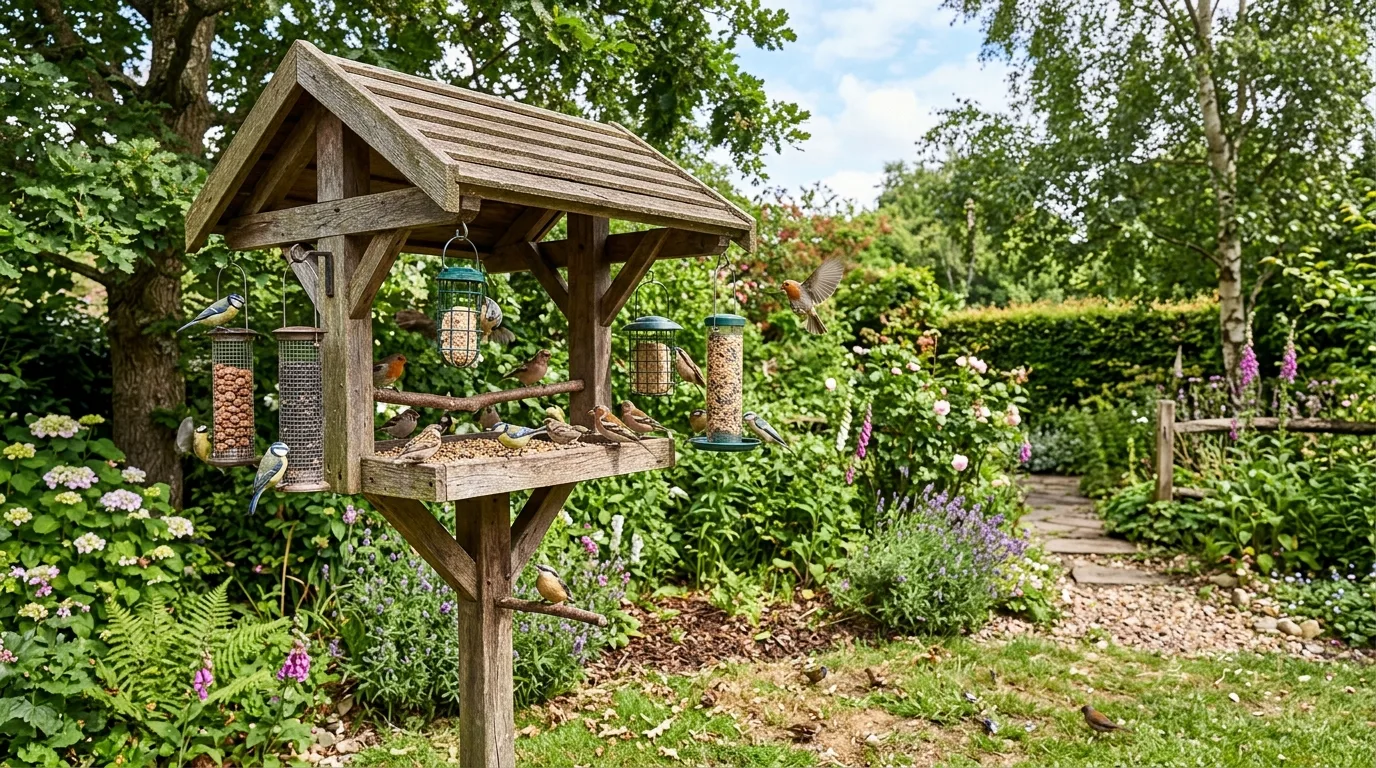
1. Build a rustic wooden frame with hanging feeders
A simple timber structure can make a feeding station feel intentional instead of temporary. It also gives you flexible points for seed feeders, suet, and seasonal adjustments.
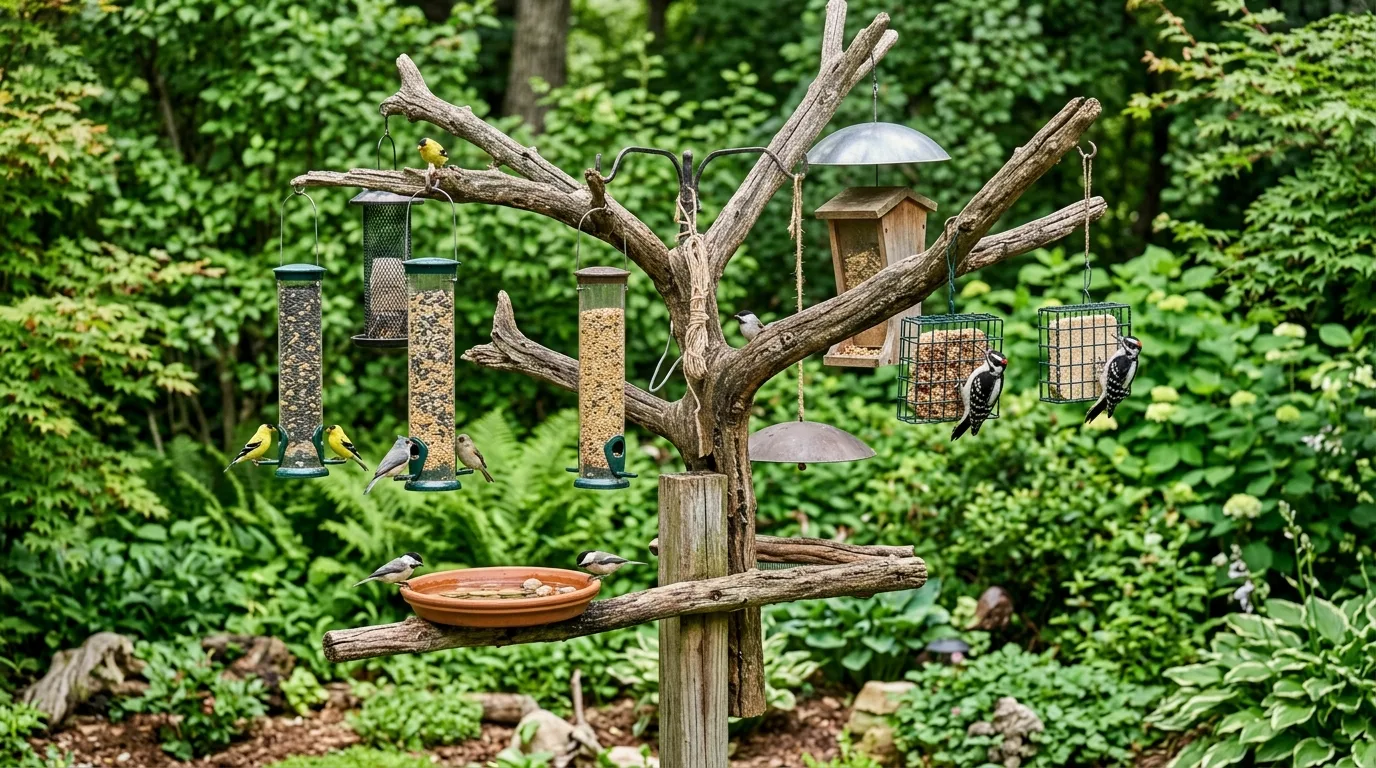
2. Use branch-like supports for a more natural setup
Tree-branch structures help the feeding station blend into a leafy backyard while still offering multiple feeder positions. This works especially well in gardens with a looser natural style.
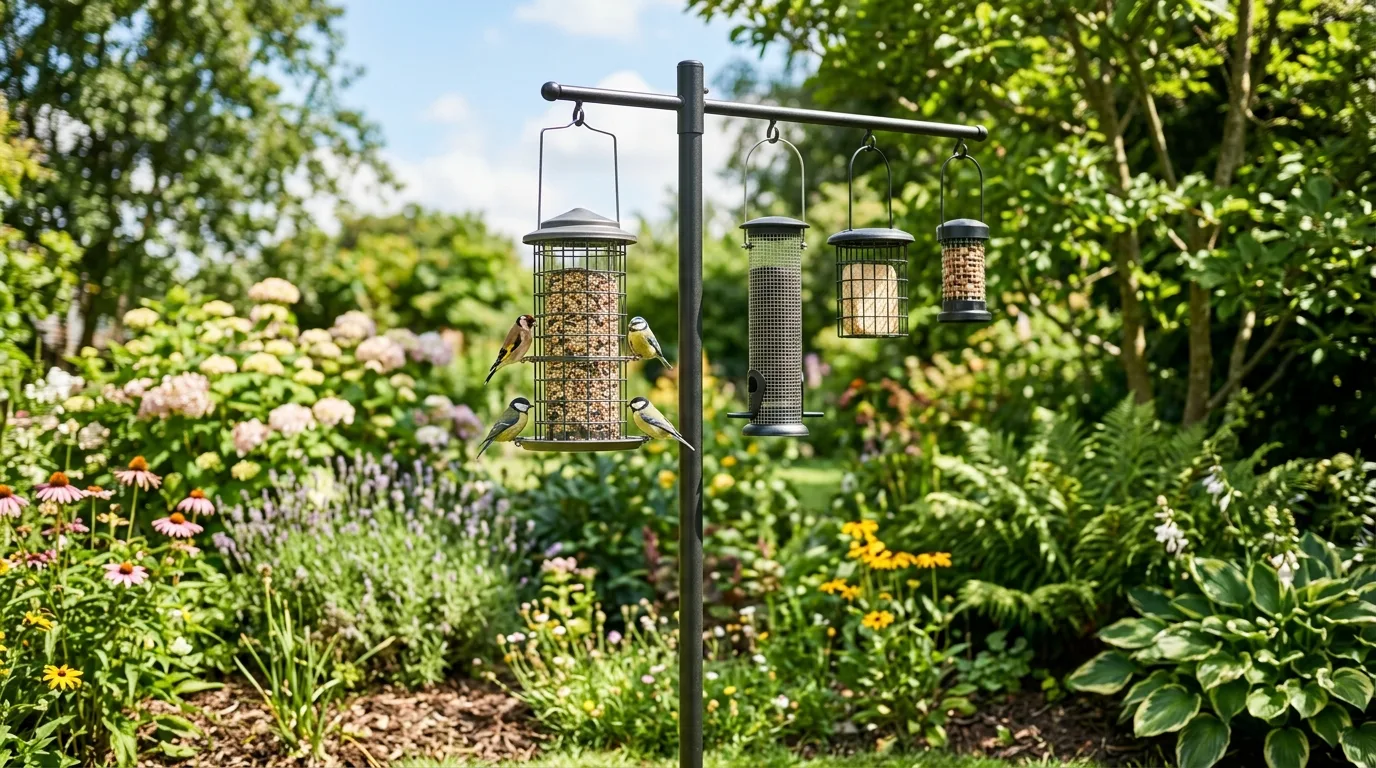
3. Choose a clean squirrel-proof pole system
A more modern pole-mounted station can keep the setup tidy and easier to maintain while protecting feed from constant raiding. It is ideal for smaller or more organized garden layouts.
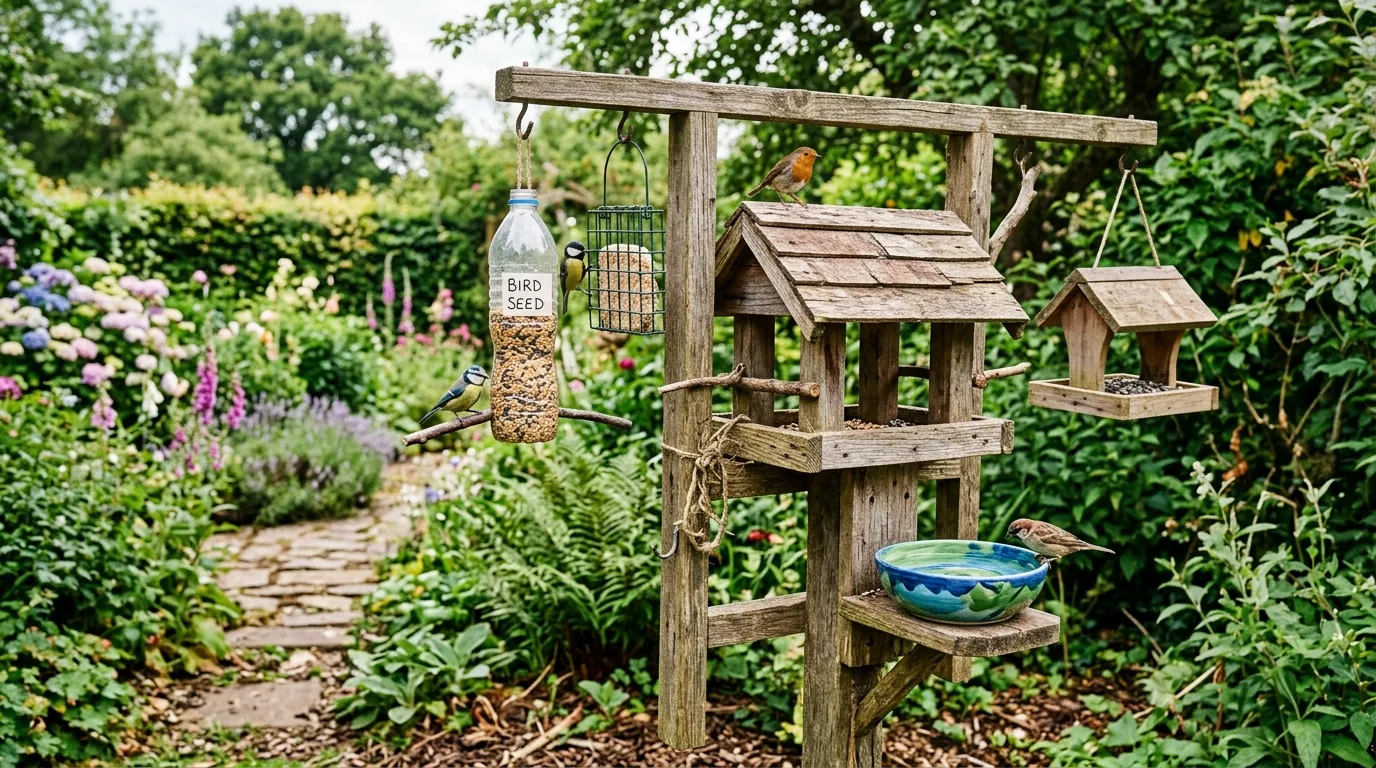
4. Make a DIY station from recycled wood and add a bird bath
Homemade feeding stations can feel especially charming when they include both food and water. A small bath nearby makes the whole setup more attractive to a wider range of birds.
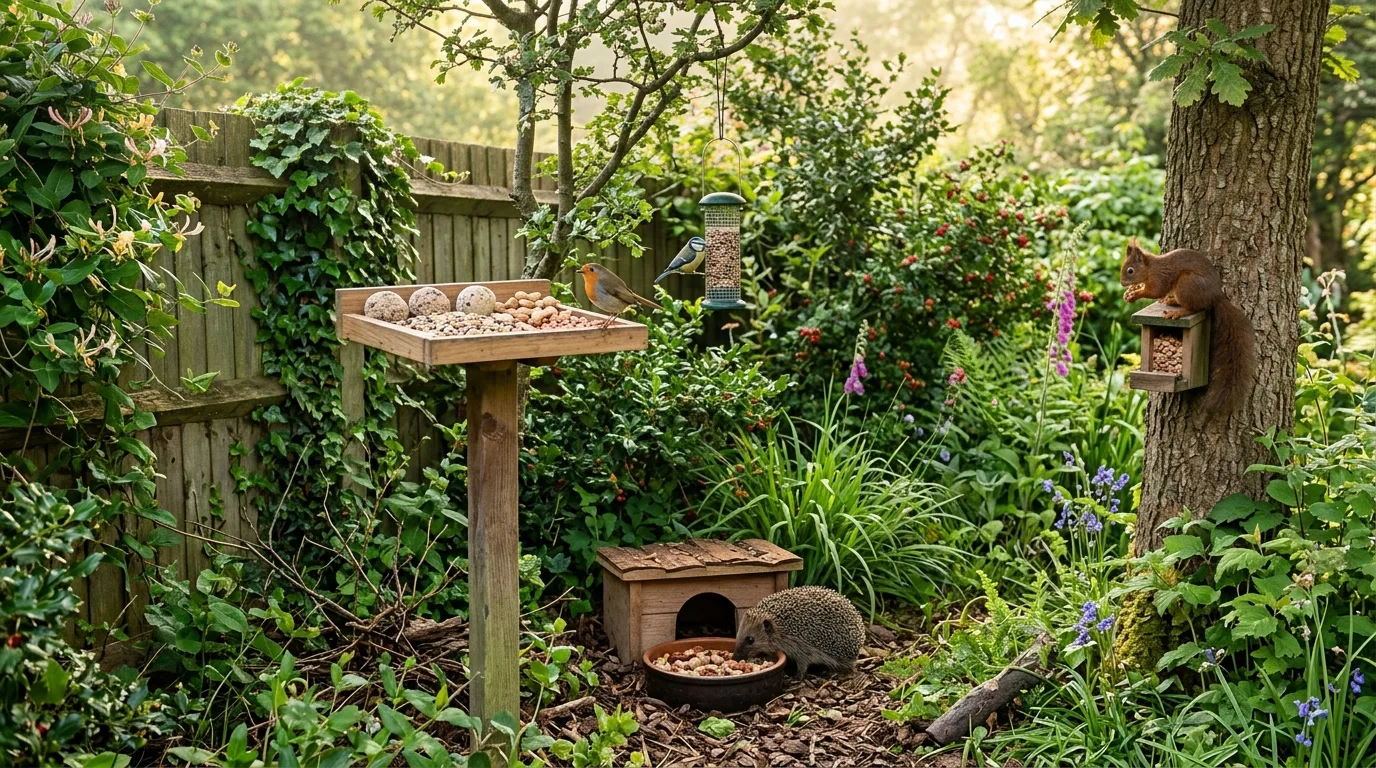
5. Create a habitat corner for birds and small critters
A wildlife feeding station becomes far more useful when shrubs and cover nearby make animals feel safe. This helps the area function like a mini habitat rather than just a feeding point.
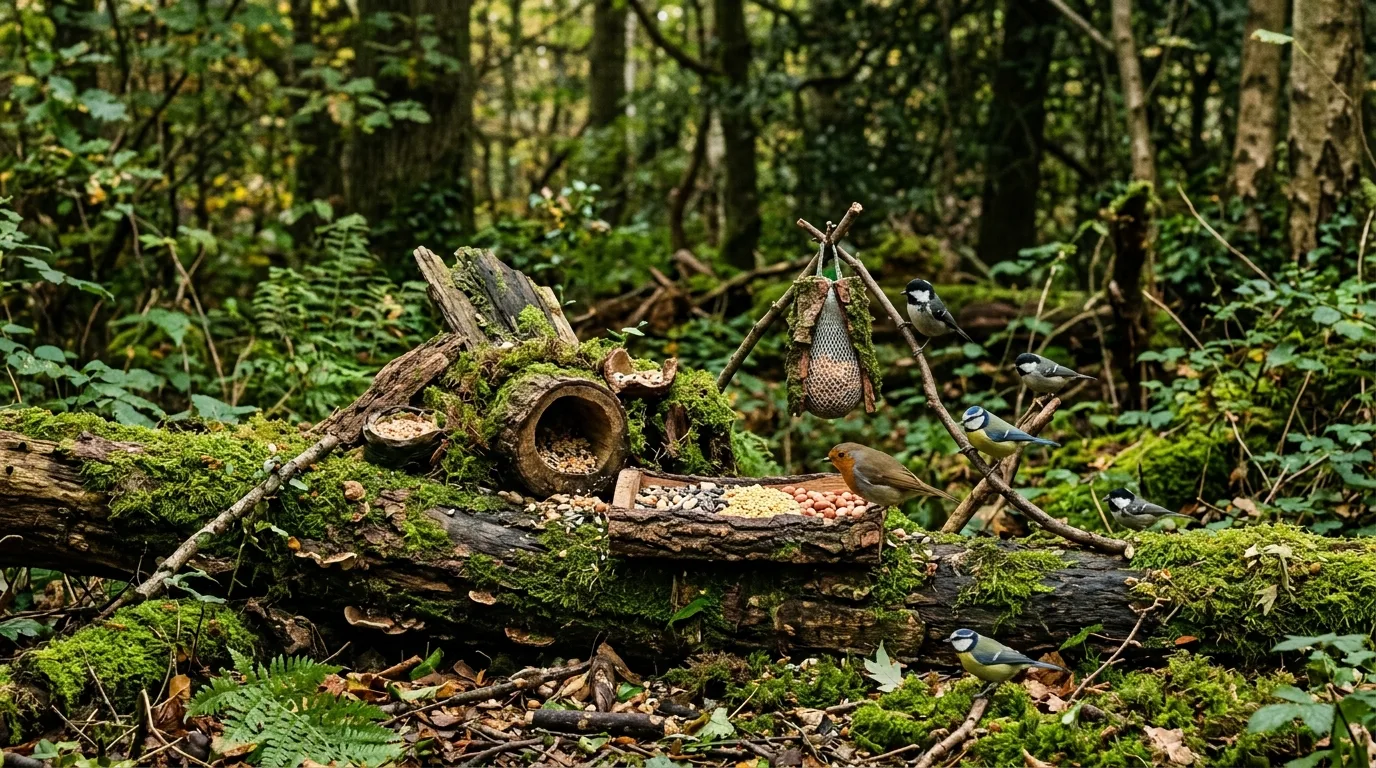
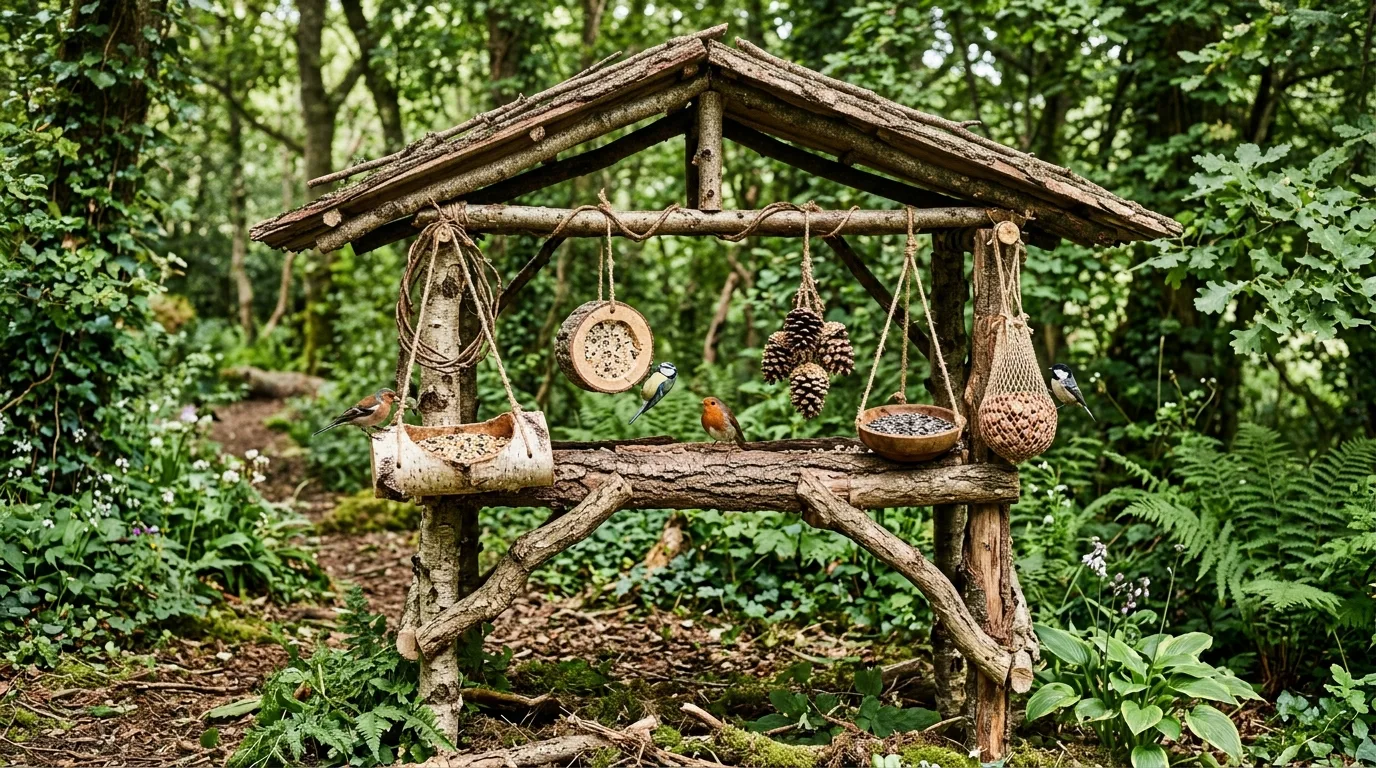
6. Build a rustic station from logs and branches
Natural materials can make the feeding area feel more at home in woodland or cottage-style gardens. Bark textures and uneven forms add character without reducing usefulness.
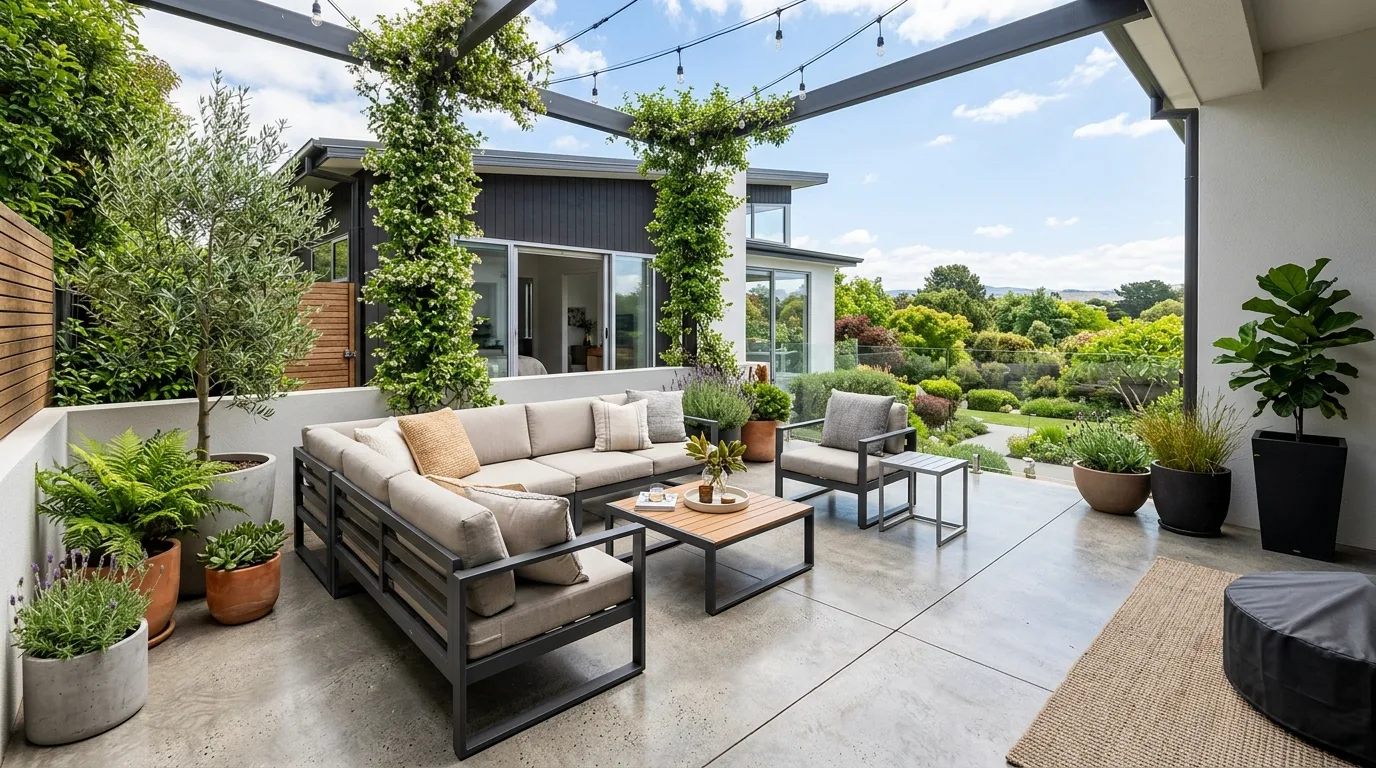
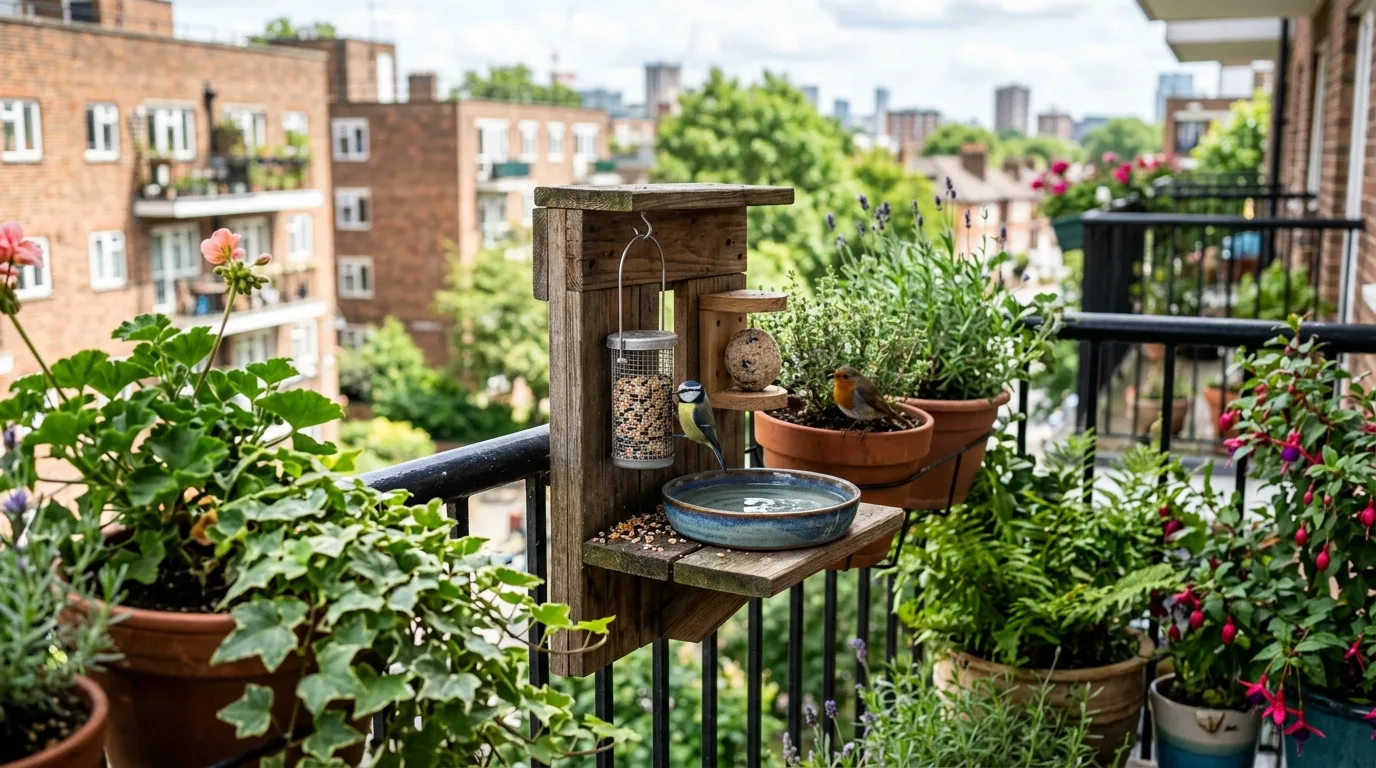
7. Adapt the idea for a compact balcony
Even small urban spaces can support local wildlife with a compact feeding station and water dish. The key is keeping the layout simple, safe, and easy to clean.
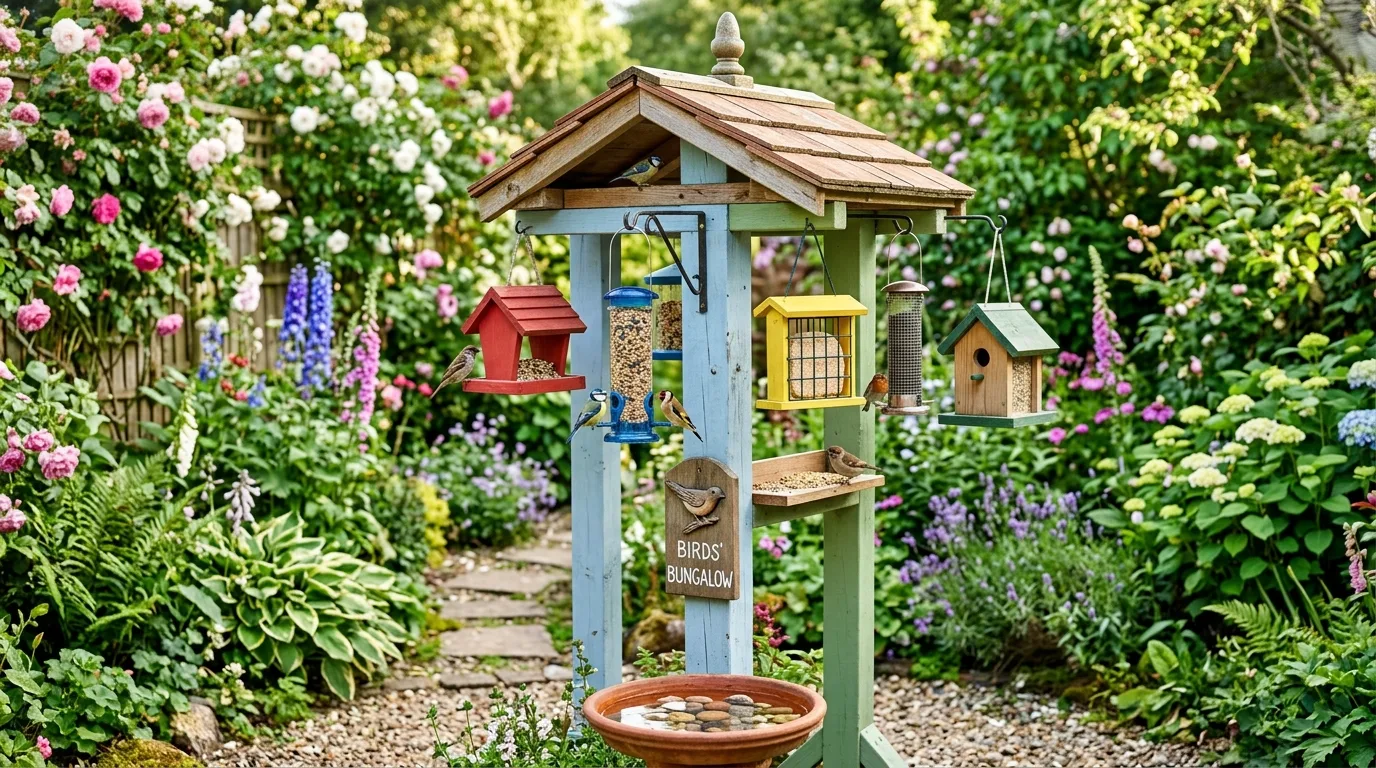
8. Add color with painted posts and decorative feeders
A feeding station can still feel playful and attractive in a family garden as long as the design stays organized. Colorful details work best when the surrounding planting is simple.
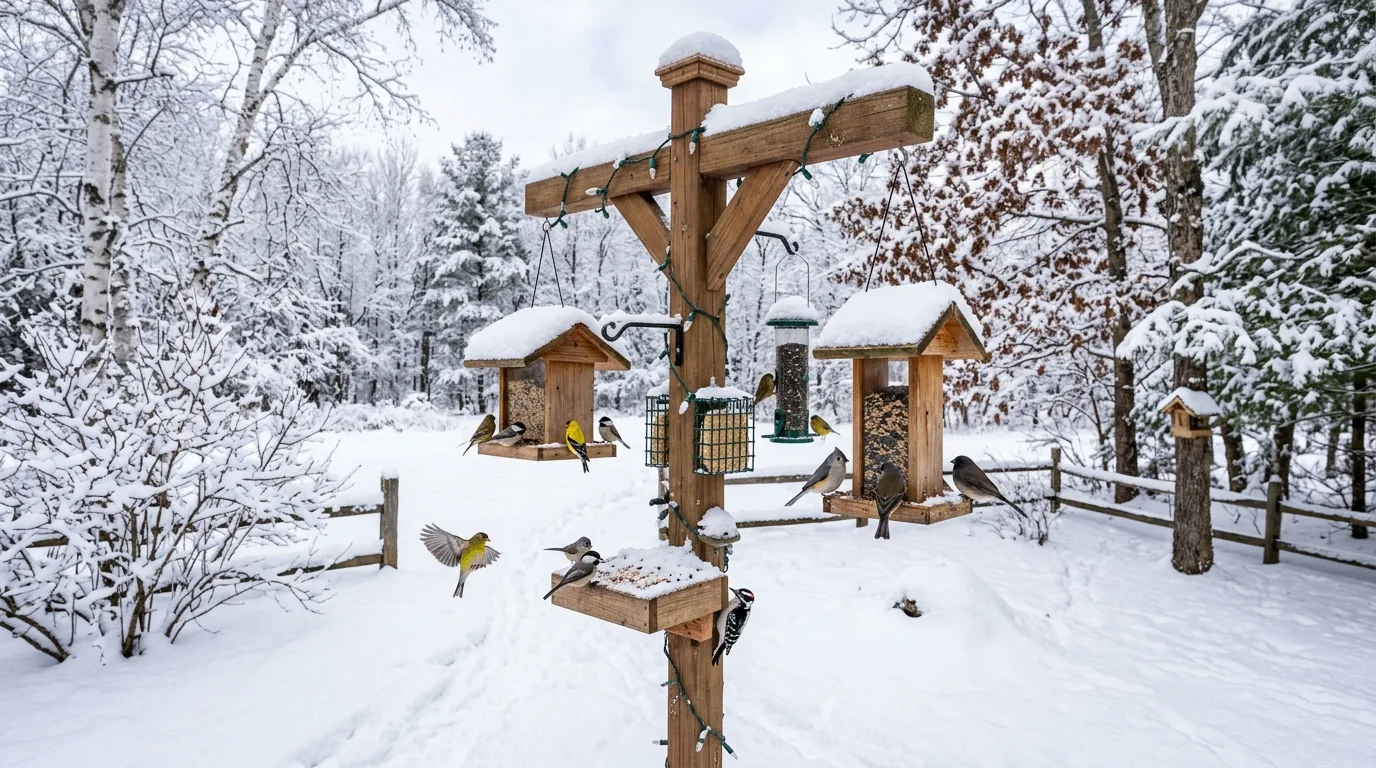
9. Keep the station active through winter
A winter feeding setup can be especially valuable when natural food sources are scarce. Snow and colder weather also make the activity around the station more visible and rewarding.
10. Use multiple levels for different animals
Platforms, hanging feeders, and shallow bowls can support a wider range of visitors in one compact area. This makes the station feel smarter and more ecologically useful.
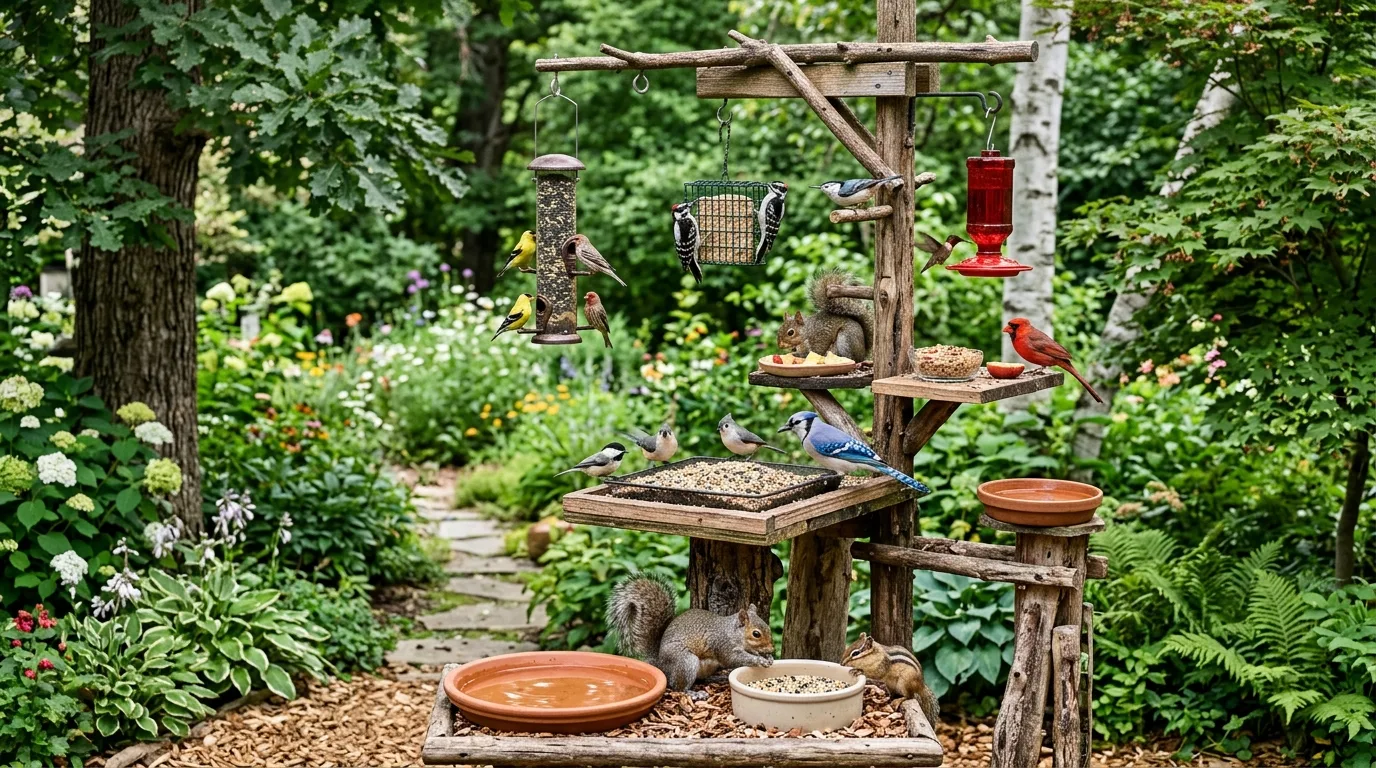
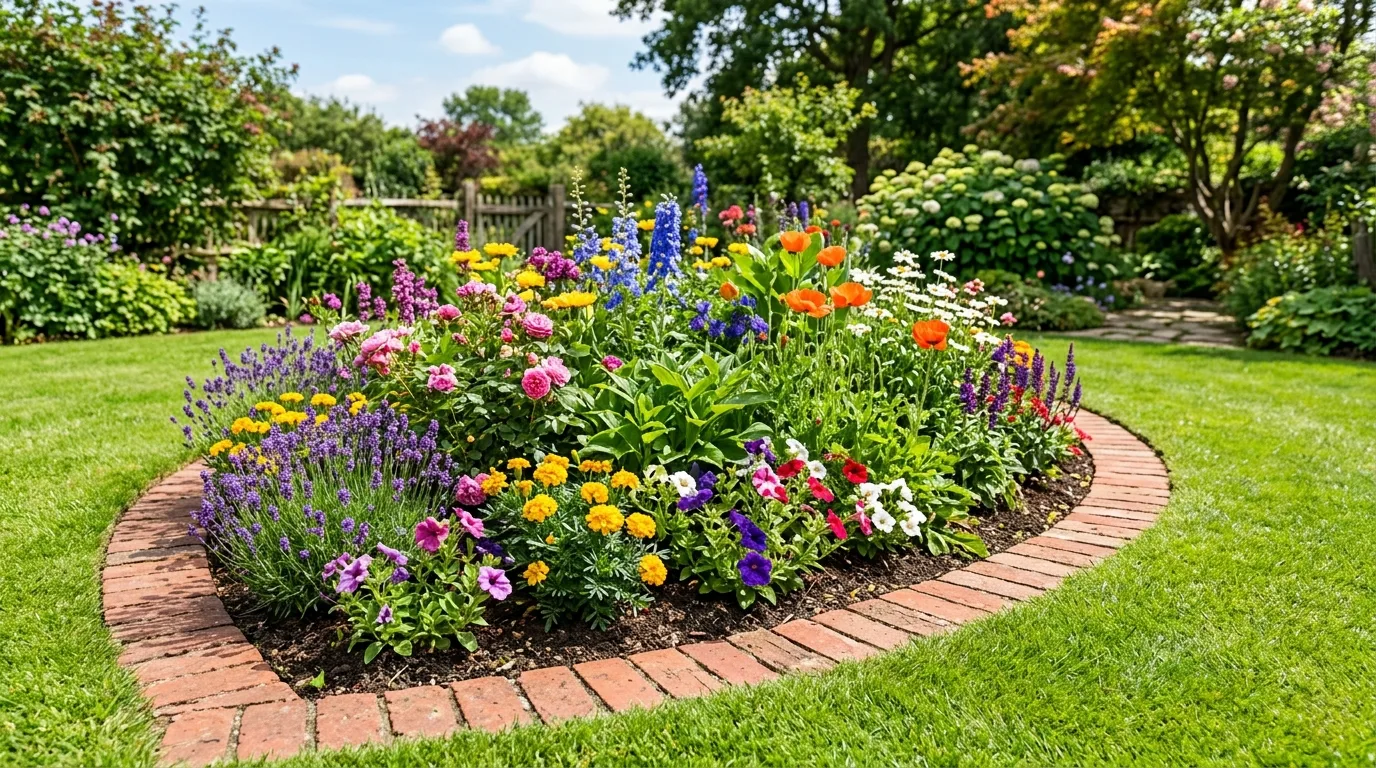
11. Blend the station into a more complete habitat garden
The best wildlife feeding areas do not feel separate from the rest of the backyard. Shrubs, shelter, and naturalistic planting make the station part of a larger living system.
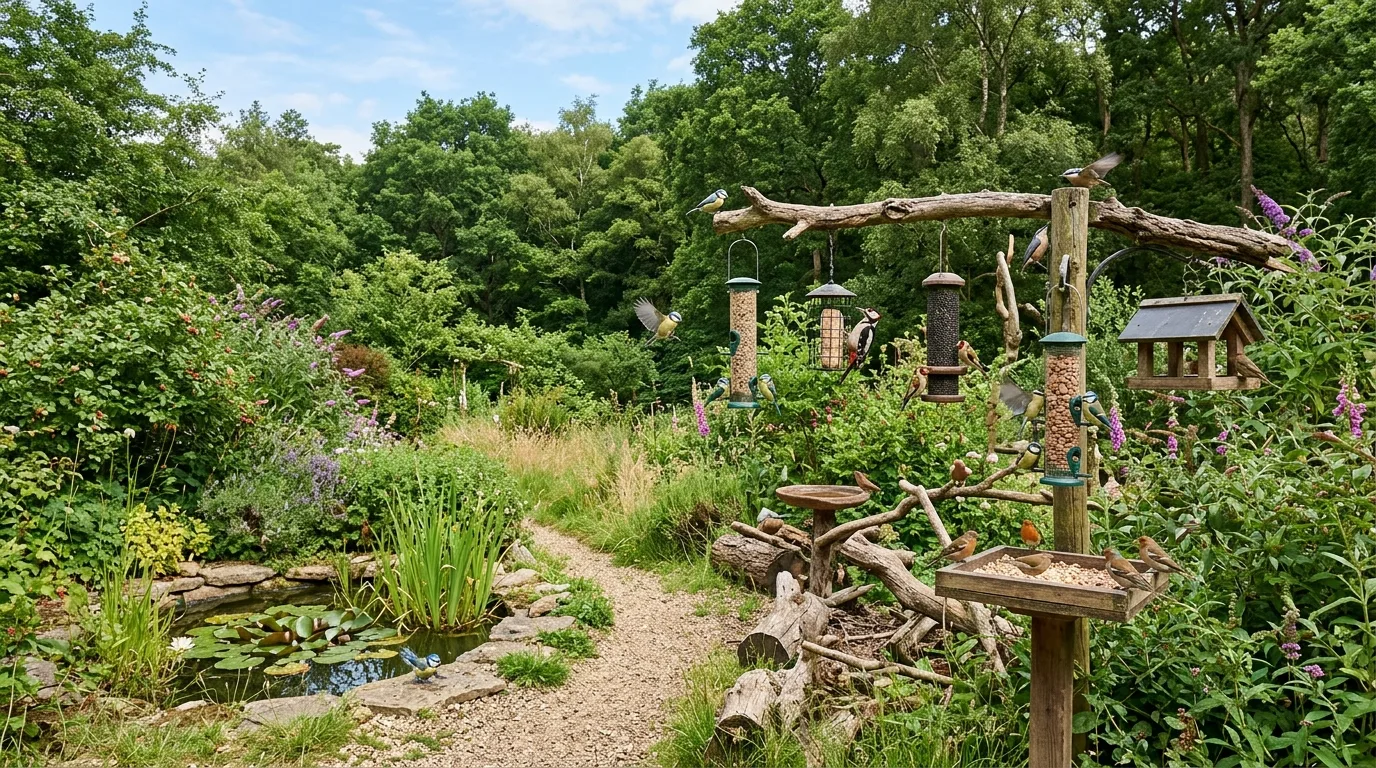
12. Hide feeders within a woodland-style setting
A more tucked-away station can support wildlife while preserving a natural garden look. Logs, moss, and softer edges make the feeding area feel quietly integrated into the landscape.