Support pollinators more naturally with DIY mud pit ideas like shallow clay dishes, terracotta bases, in-ground patches, broken pots, stone bowls, shaded stations, and multi-level setups.
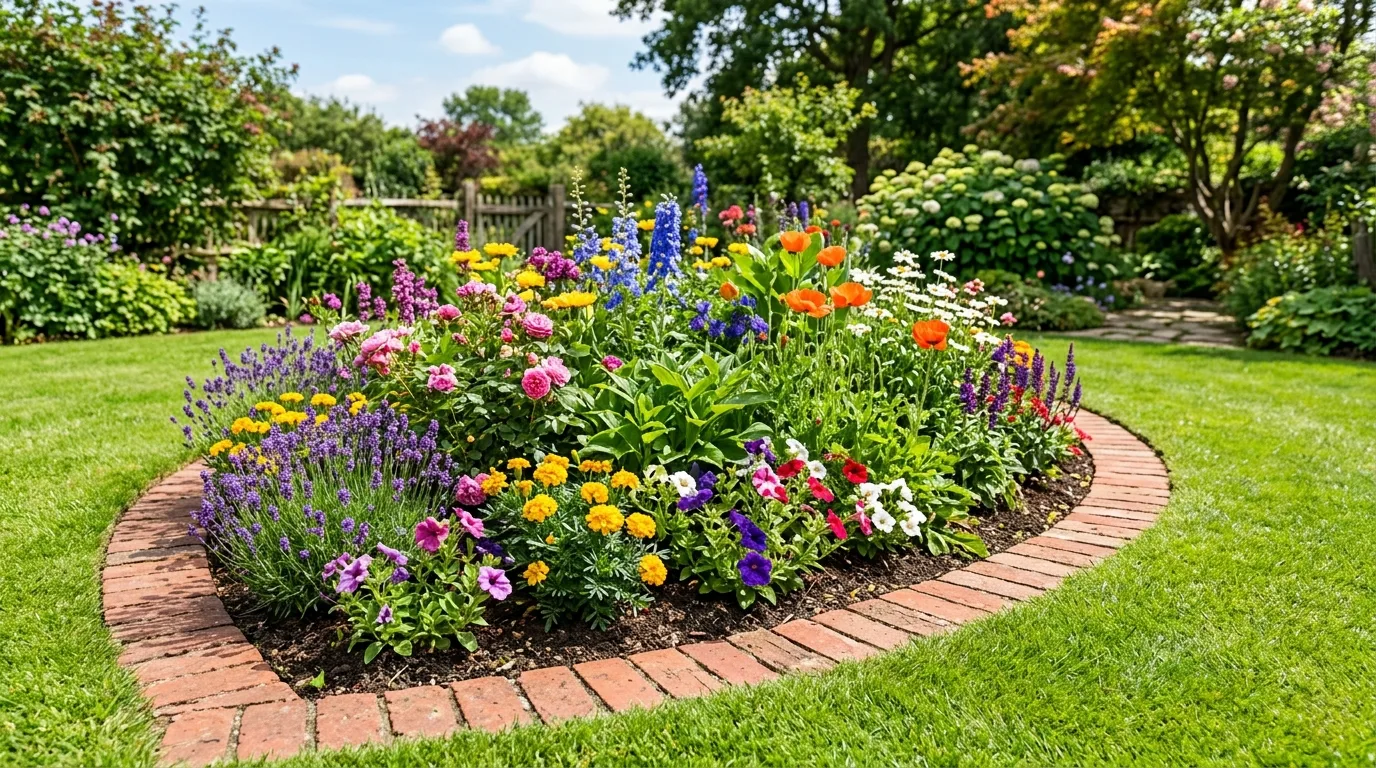
- Mud pits work best when they stay shallow, moist, and close to pollinator-friendly planting.
- Natural materials and a few flat perching stones make these stations more accessible and more attractive.
- Even very small mud areas can meaningfully support a healthier pollinator habitat.
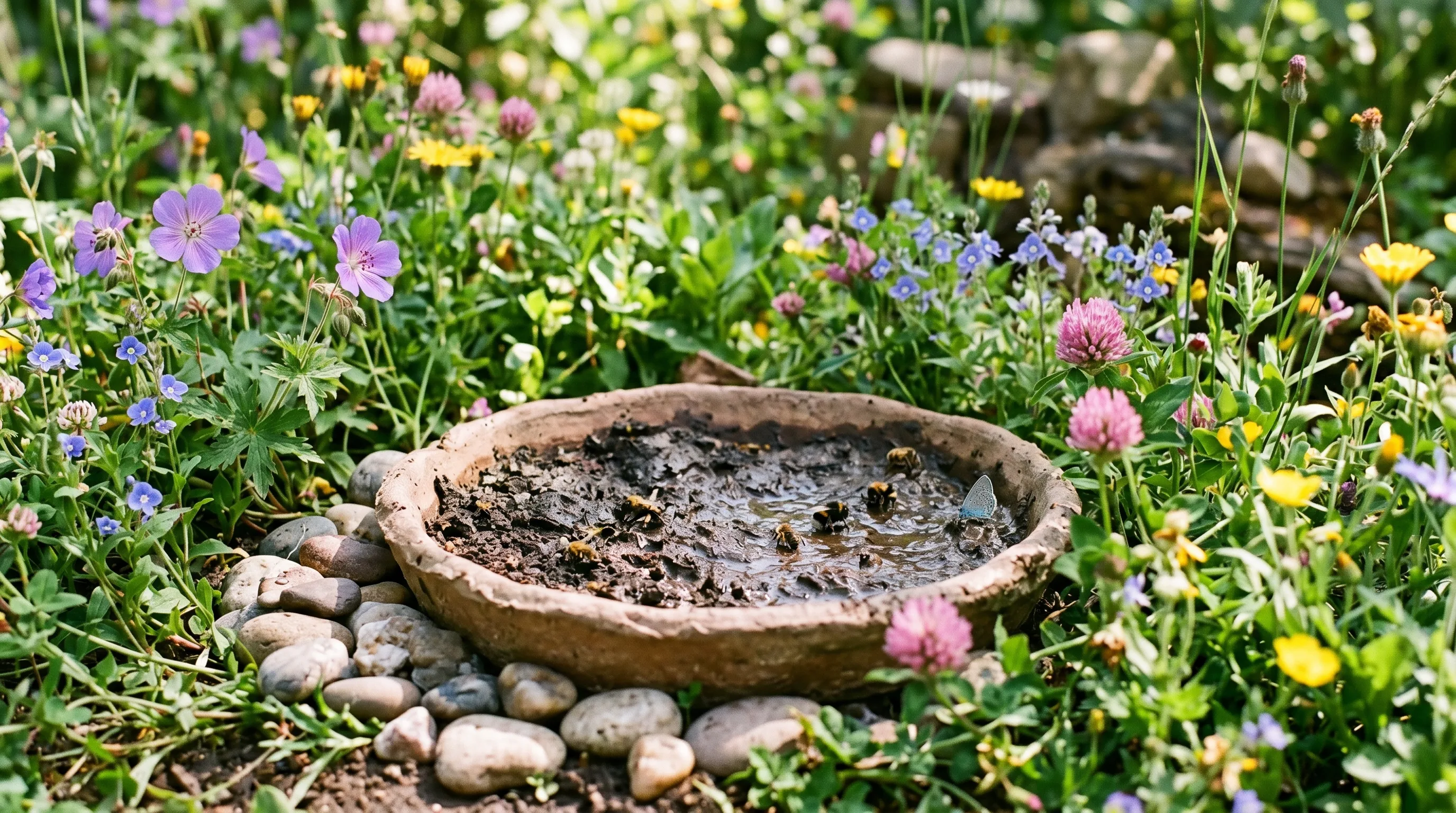
1. Fill a shallow clay dish with moist soil
A low clay dish is one of the easiest ways to create a contained mud station that still feels natural in the garden. Surrounding flowers help it feel like part of a living habitat.
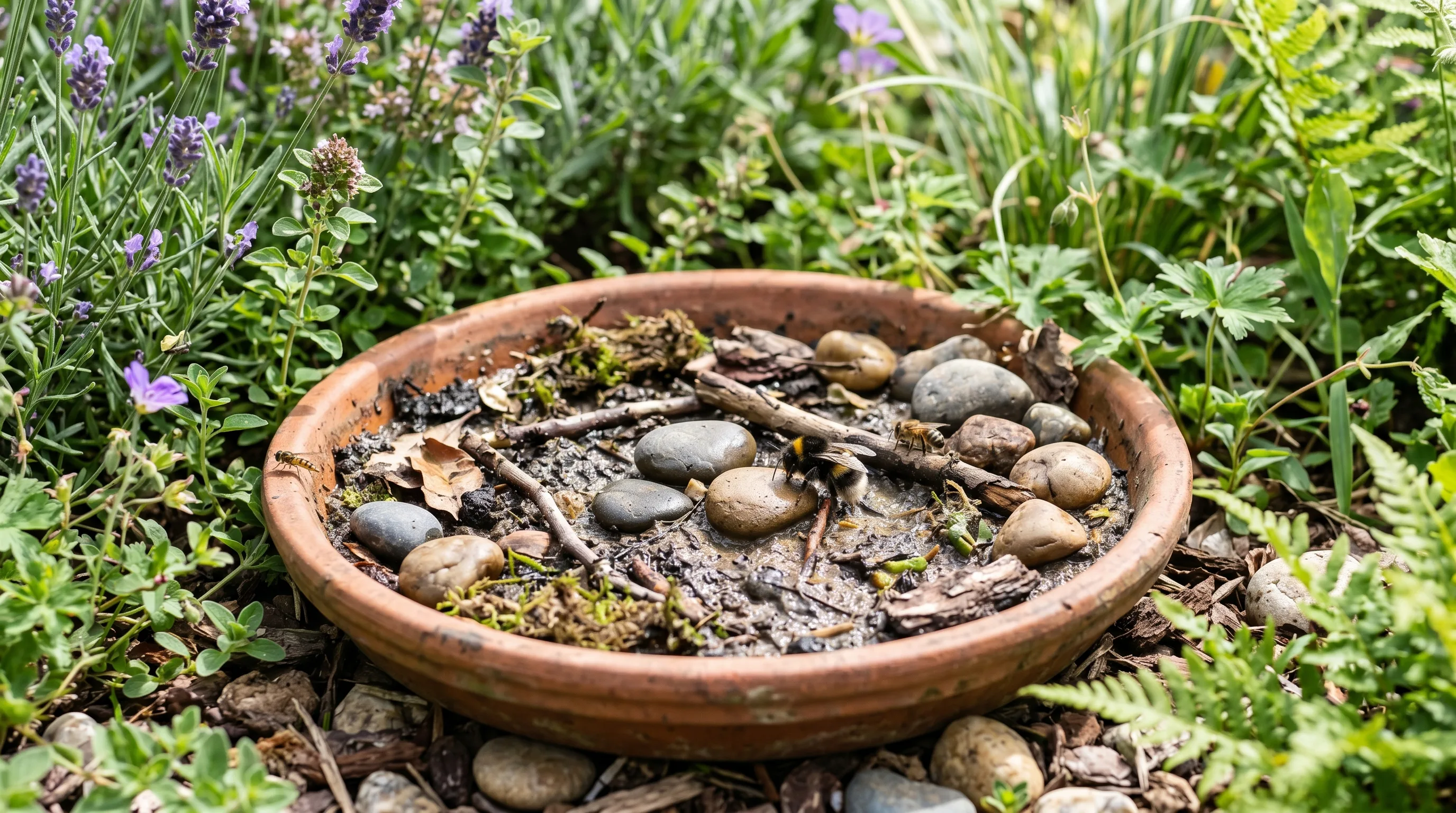
2. Repurpose a terracotta pot base
A plant saucer makes a perfect pollinator station because it is shallow, easy to fill, and easy to refresh. Pebbles and twigs make it even more bee-friendly.
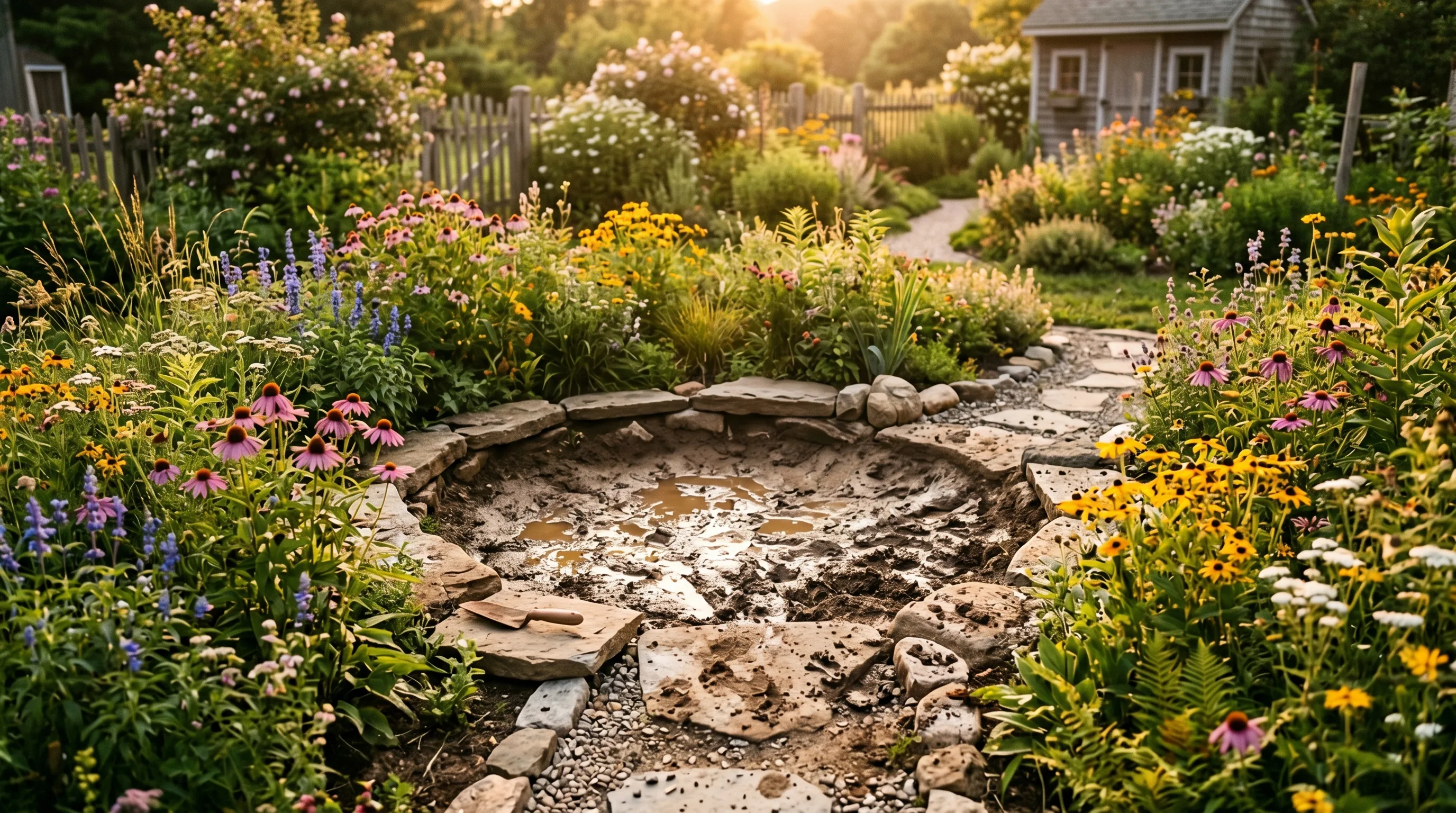
3. Shape a simple mud patch right in the ground
An in-ground mud depression can feel especially natural and requires very little extra material. Stone edging helps keep it legible and slightly protected.
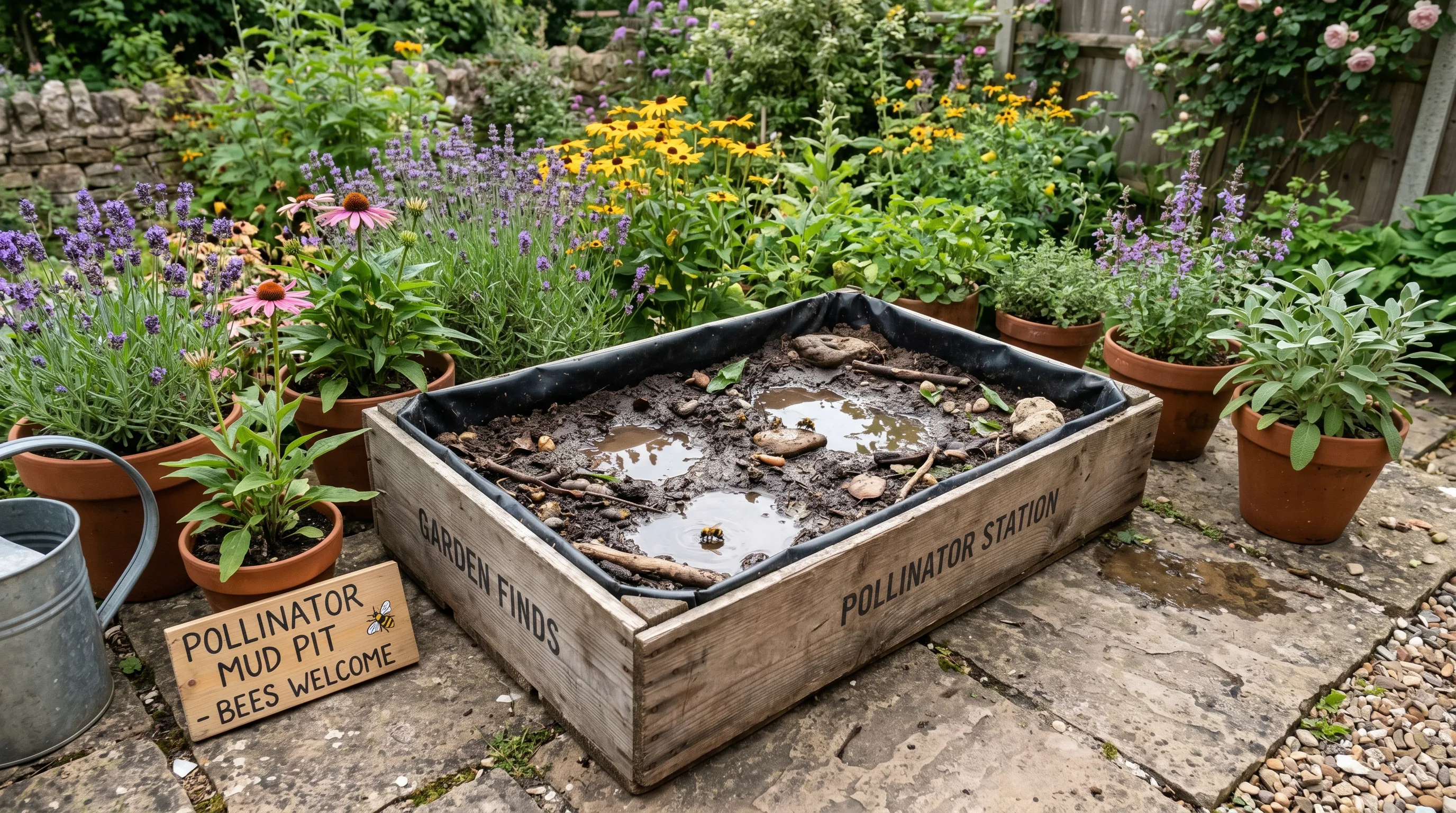
4. Use a lined wooden crate for a patio setup
A crate station works well when the mud pit needs to live on a patio or harder surface rather than directly in the soil. It keeps the project flexible and very DIY-friendly.
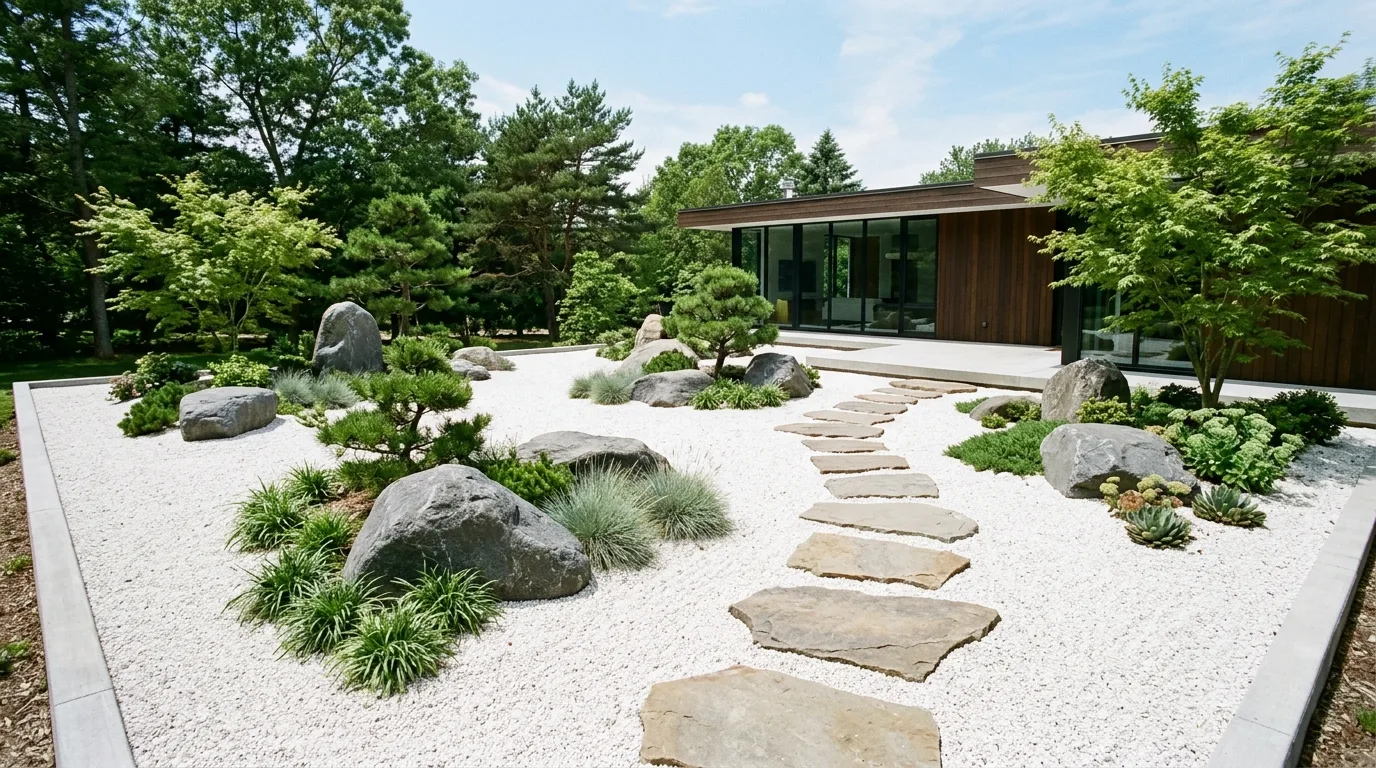
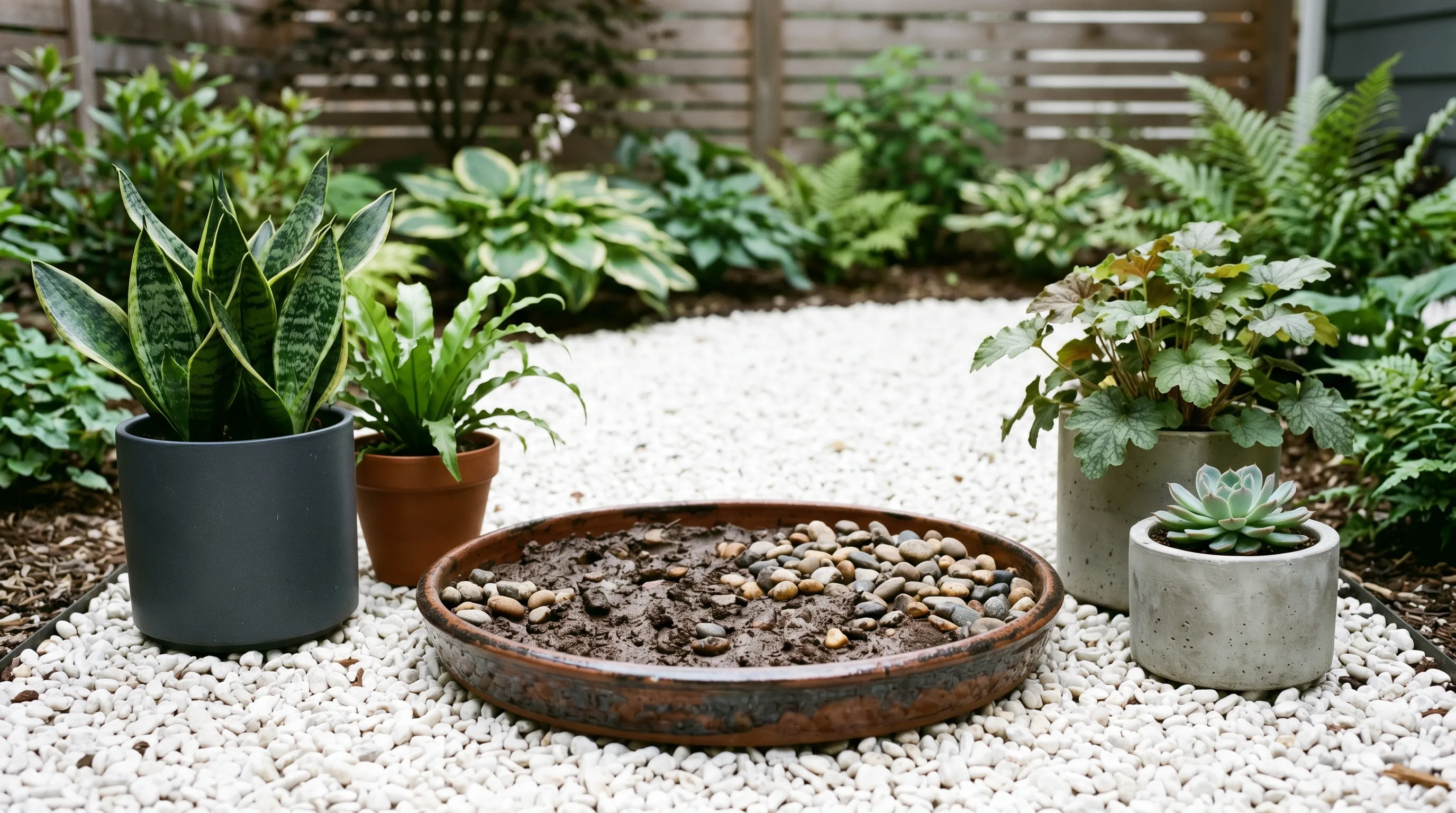
5. Try a minimalist ceramic tray with pebbles
A simple tray can suit cleaner, more modern gardens without losing its ecological usefulness. The key is keeping the soil damp and providing a few landing spots.
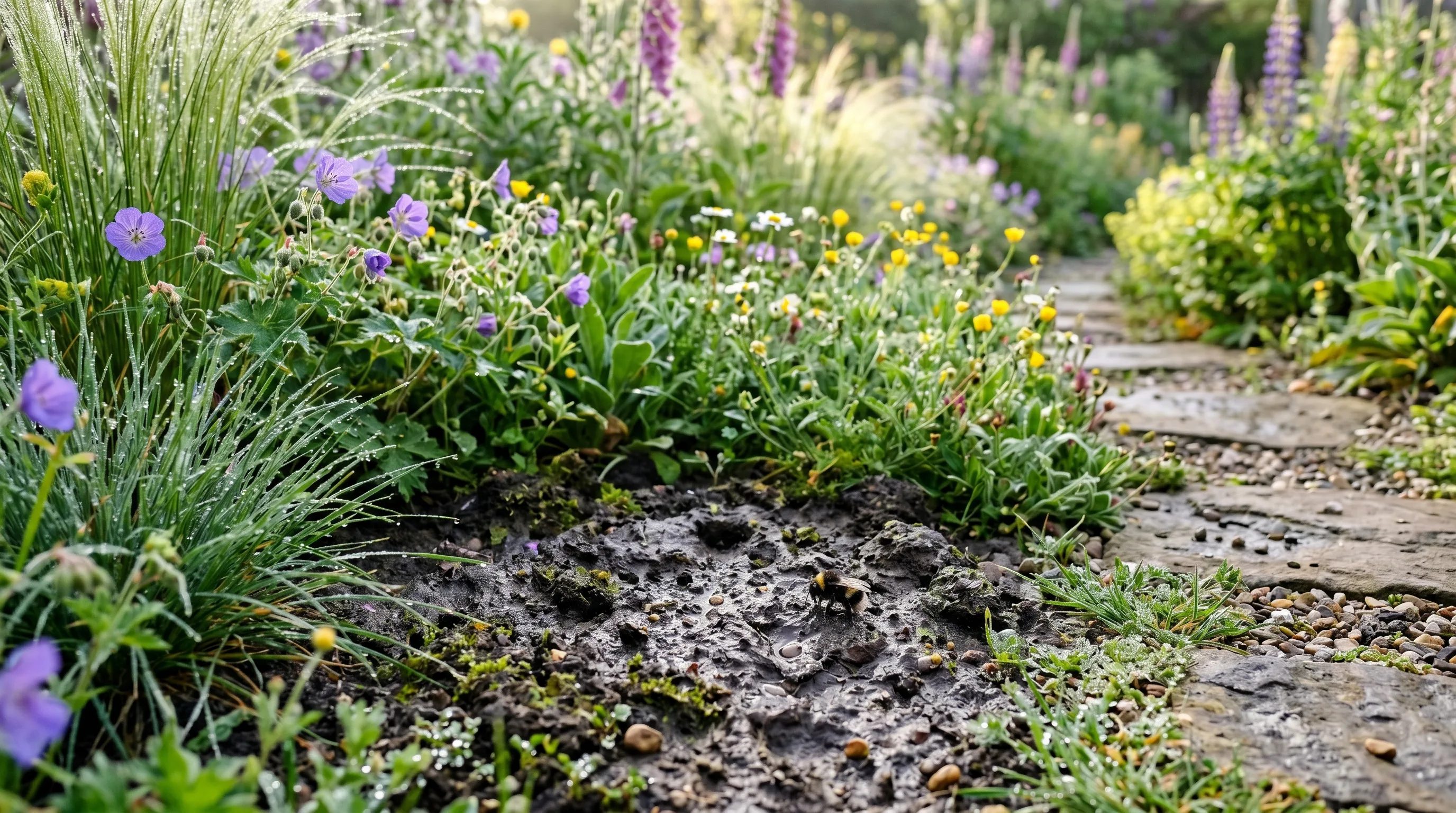
6. Keep a natural mud patch beside a path
A slightly muddy, less formal zone can be very effective when it sits near flowers and stays moist in the morning. This approach feels especially easy and low-maintenance.
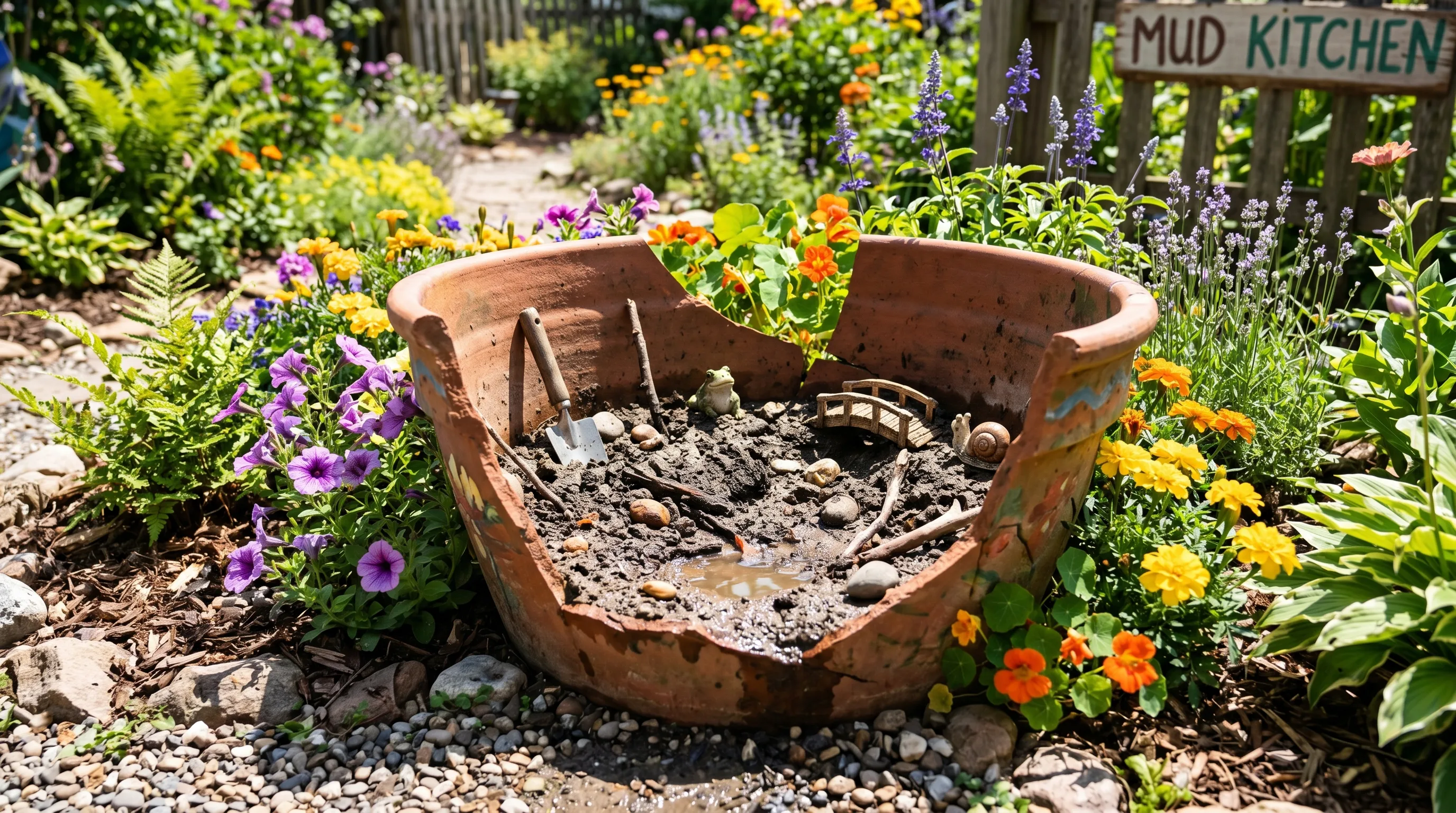
7. Build a decorative mud pit inside a broken pot
Broken pots create a ready-made bowl-like structure that feels creative and sustainable at the same time. They are excellent for smaller gardens and container settings.
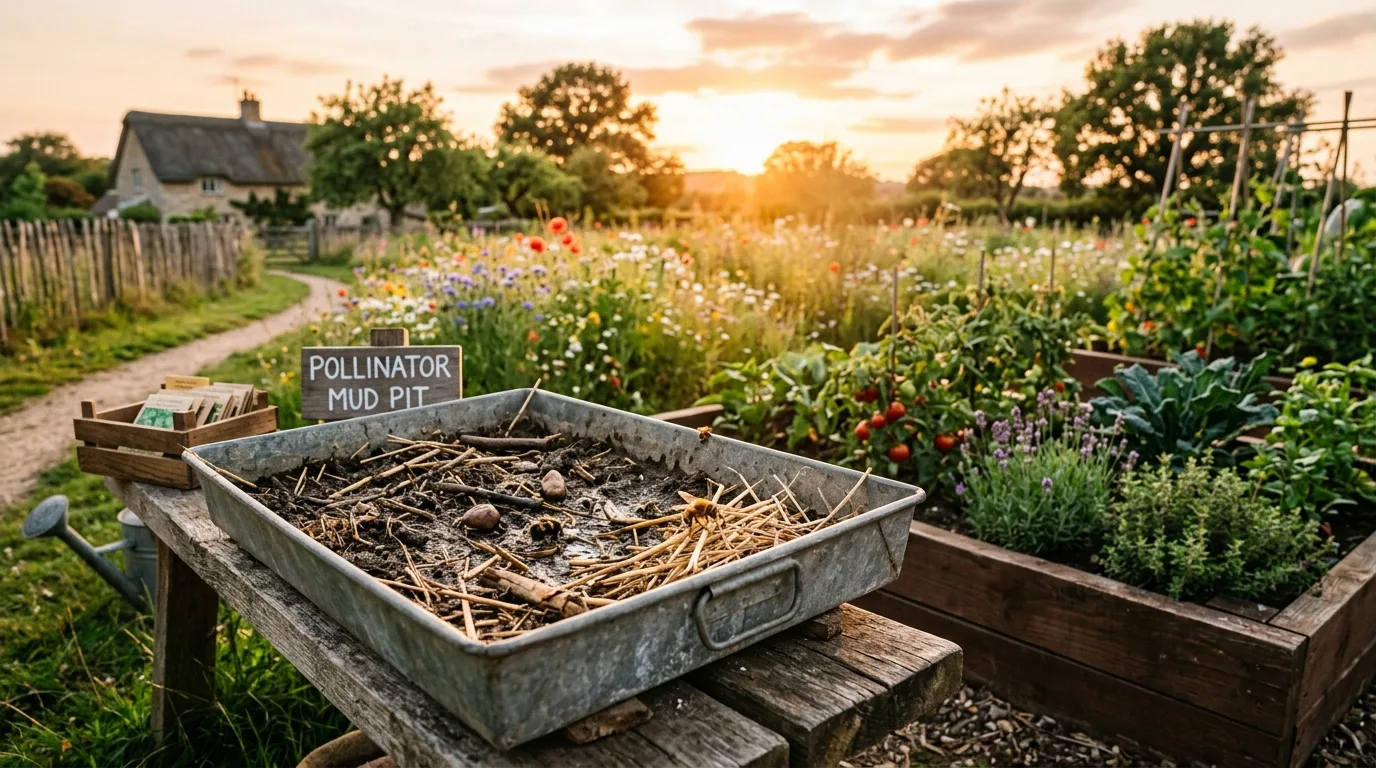
8. Use a farmhouse-style metal tray
A shallow metal tray can bring rustic charm to a kitchen garden or backyard habitat space. Straw and nearby blooms help soften the look and support more insect activity.
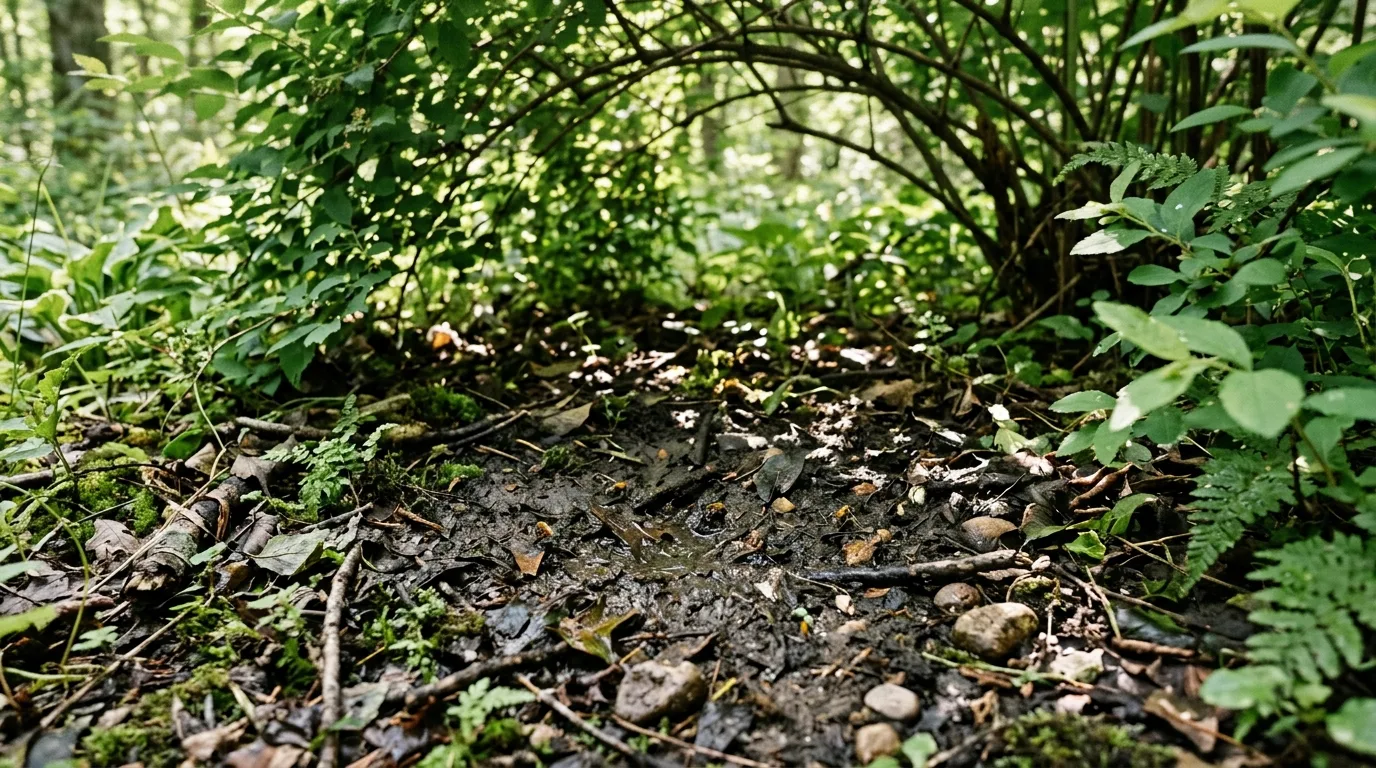
9. Tuck a moist pollinator patch into a shaded corner
A shaded mud area can stay damp longer, which makes it easier to maintain in hot weather. Leaf litter and stones help it feel more like part of a natural habitat.
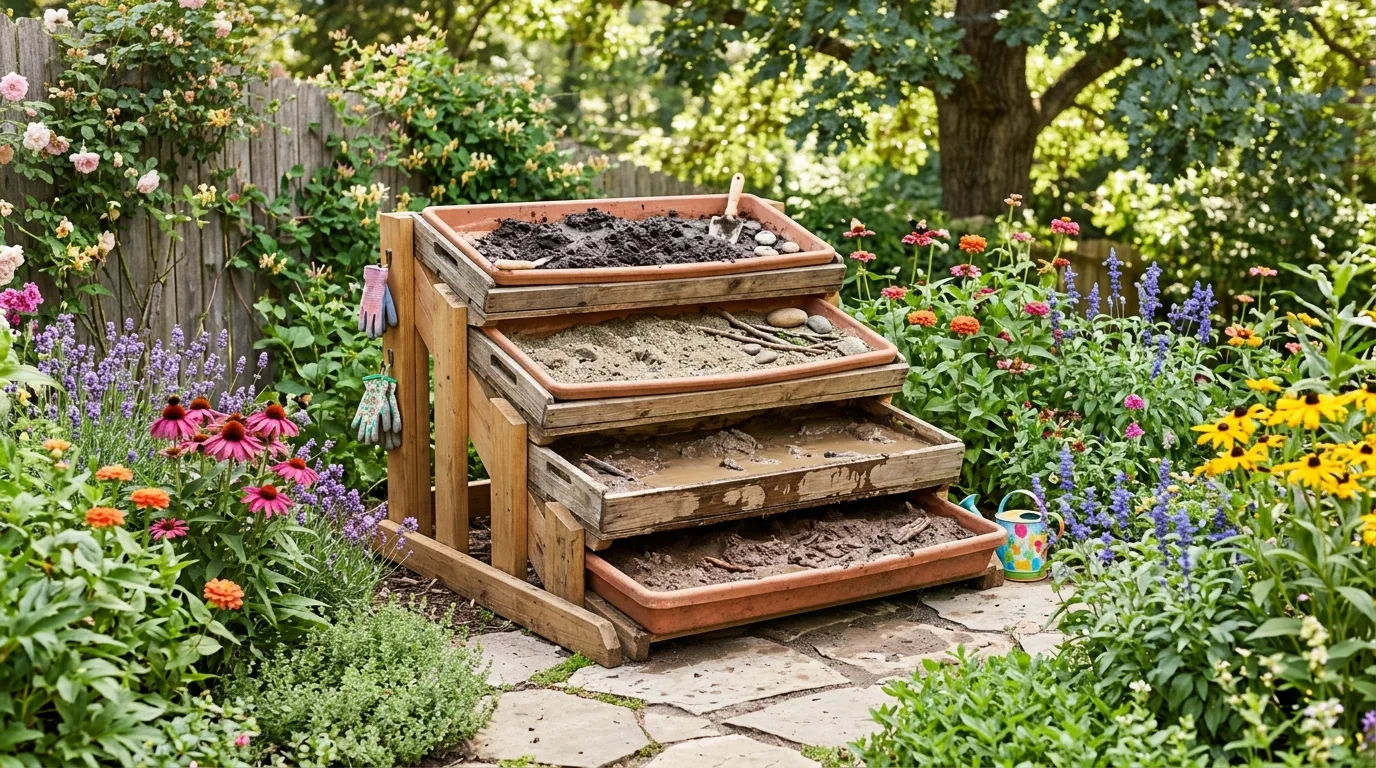
10. Stack shallow containers into a multi-level station
A multi-level mud setup can support different moisture zones while adding a slightly more designed look to the project. It works well near dense pollinator planting.
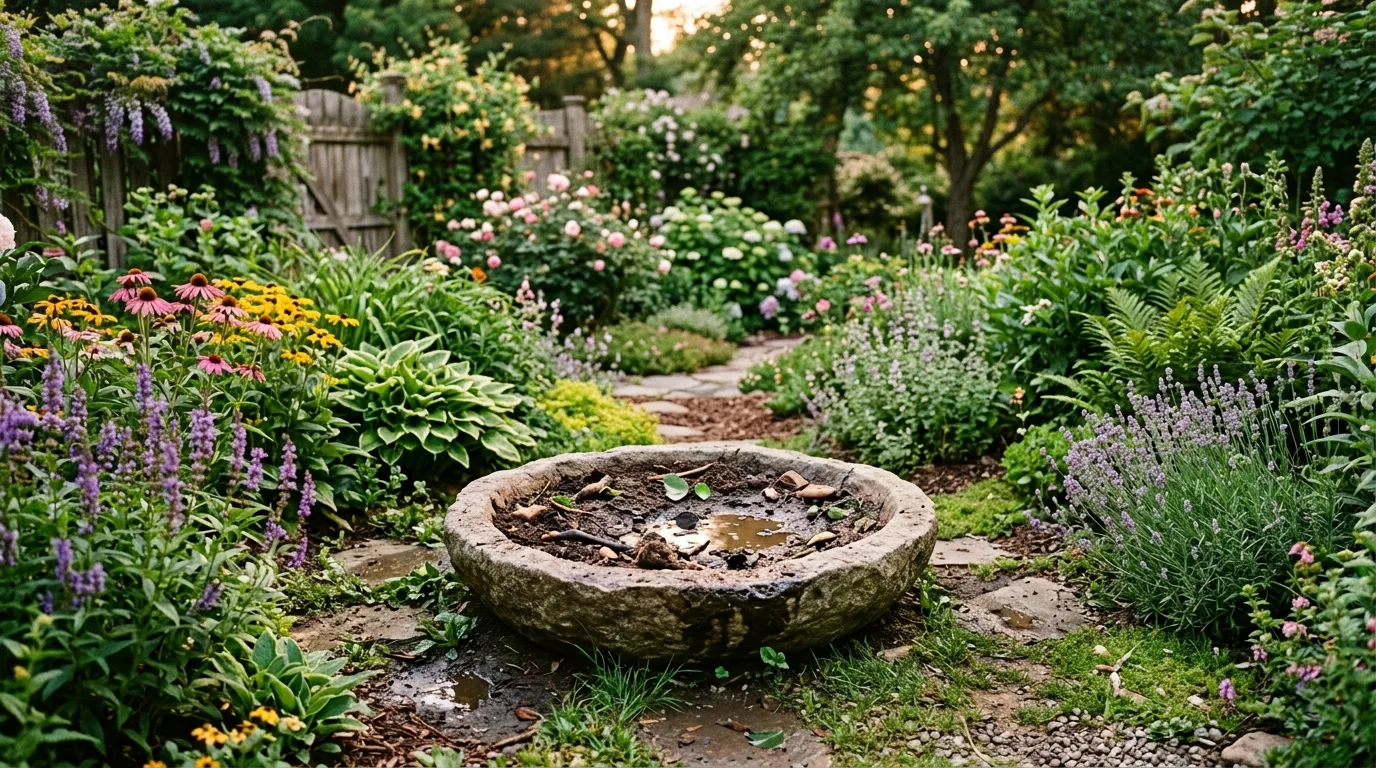
11. Use a stone bowl among flowering plants
A stone bowl mud pit can feel especially quiet and garden-like while still doing the ecological job beautifully. The most successful versions blend straight into a pollinator border.