Plan a fence more confidently with practical height guidelines for privacy, front yards, slopes, decorative sections, zoning, and visually balanced garden boundaries.
- Fence height should respond to the use of the space, not just a general desire for taller coverage.
- Front yards, side yards, slopes, and privacy zones often need different height strategies.
- A fence looks best when its height feels proportionate to the home, garden, and surrounding landscape.
1. Match the height to the boundary purpose
A garden fence should first respond to what it needs to do: define a line, protect privacy, or simply frame planting. That clarity makes every later design decision easier.
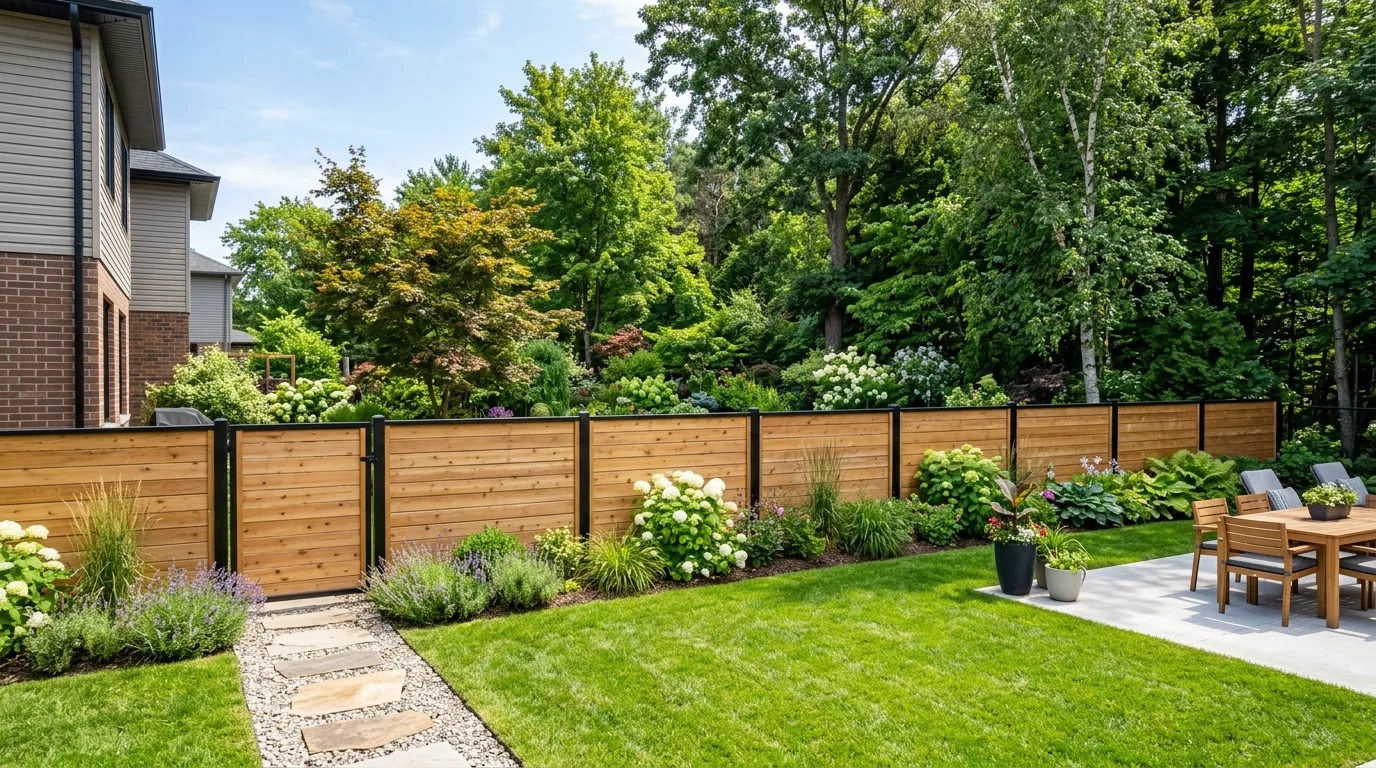
2. Compare decorative and privacy fence scales
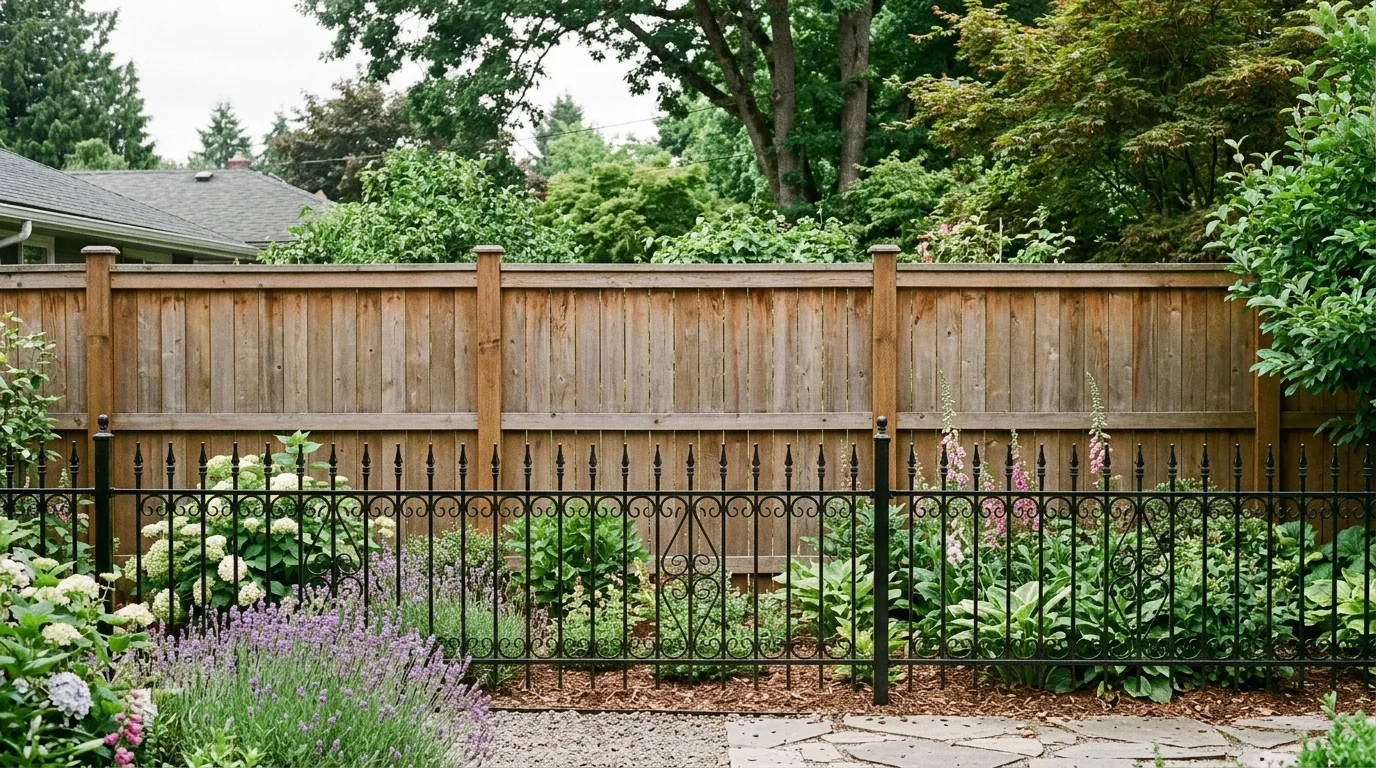
Seeing a lower decorative fence beside a taller privacy fence helps show how differently each one changes the feel of a garden. One preserves openness while the other controls enclosure.
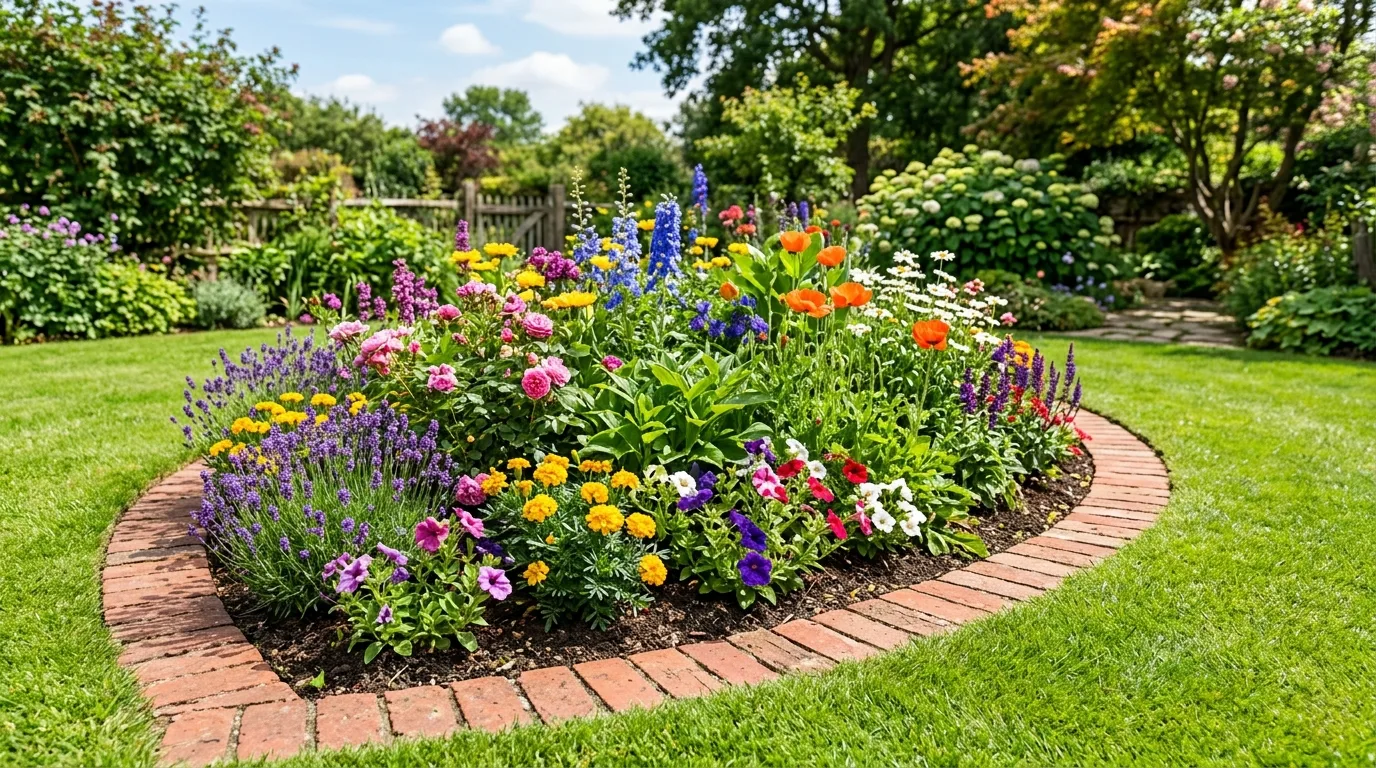
3. Choose medium height for balanced garden visibility
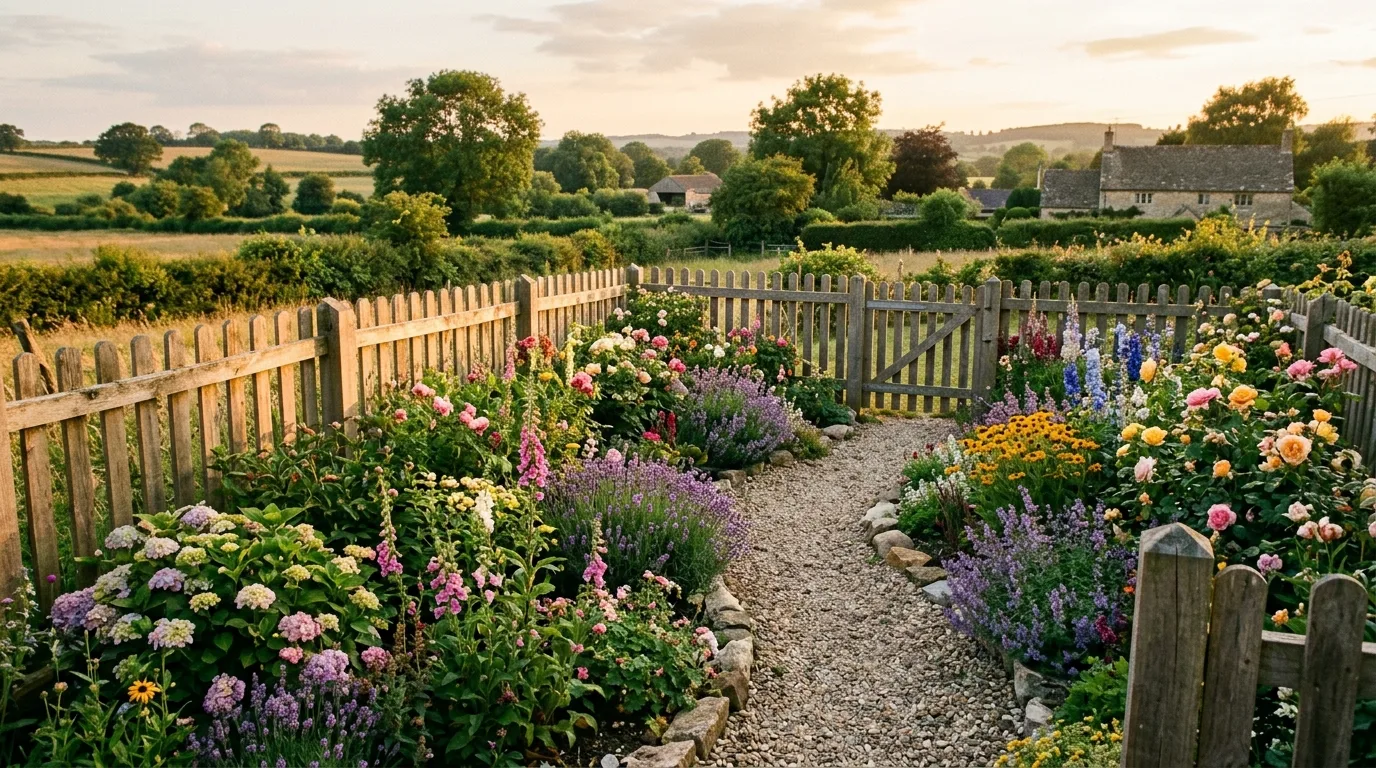
A medium-height fence often works beautifully around flower beds and backyard gardens because it gives structure without cutting the space off completely. It is a helpful compromise between openness and definition.
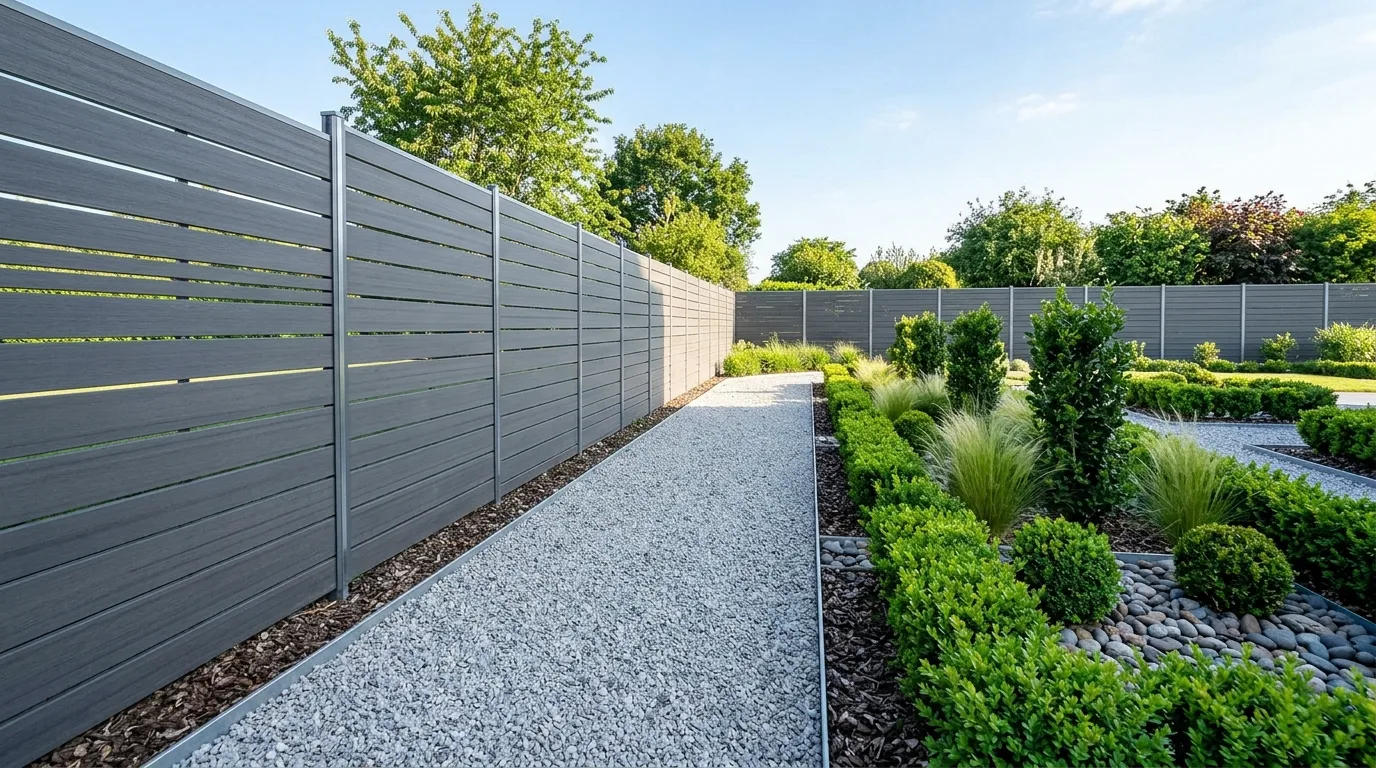
4. Use taller fencing only where privacy truly matters
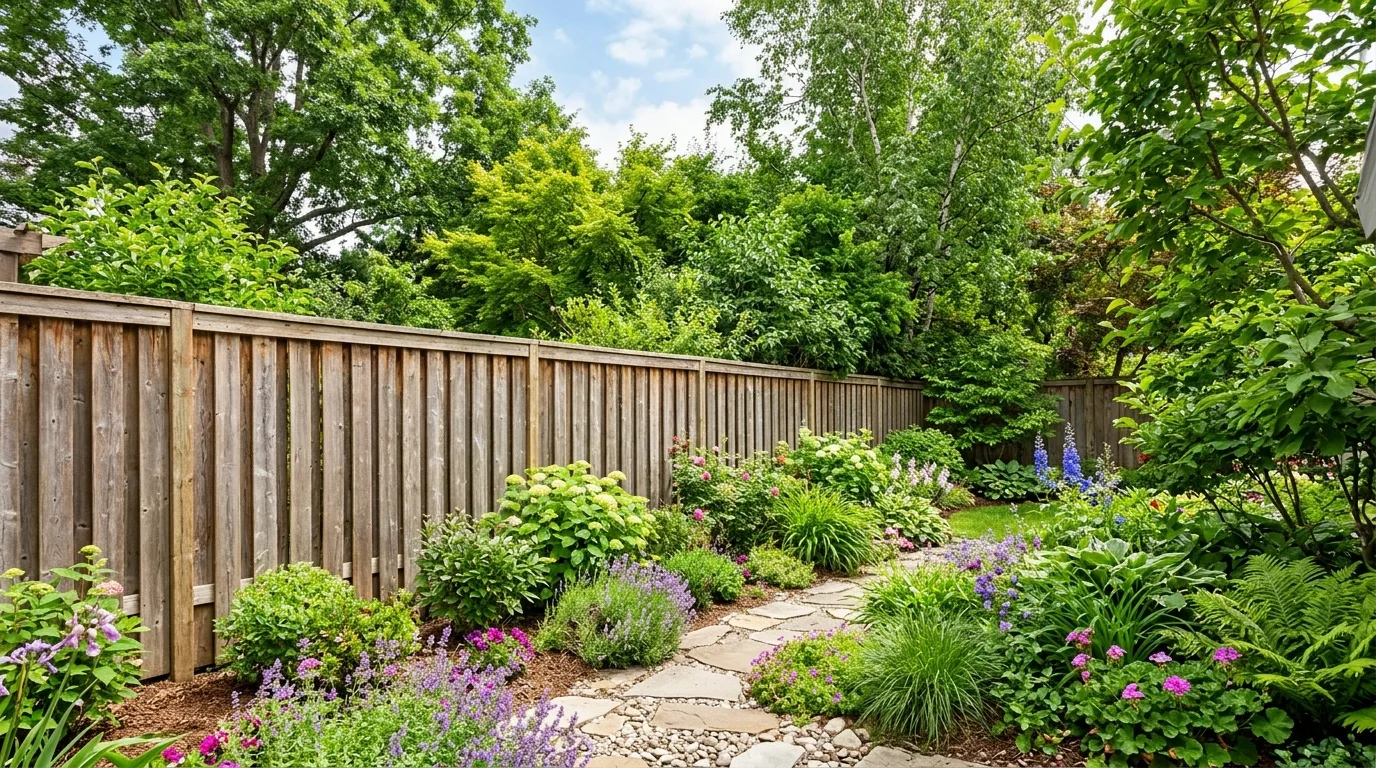
Tall fences can be useful, but they also change light, views, and the overall feeling of the yard. They work best when privacy or screening is a clear priority.
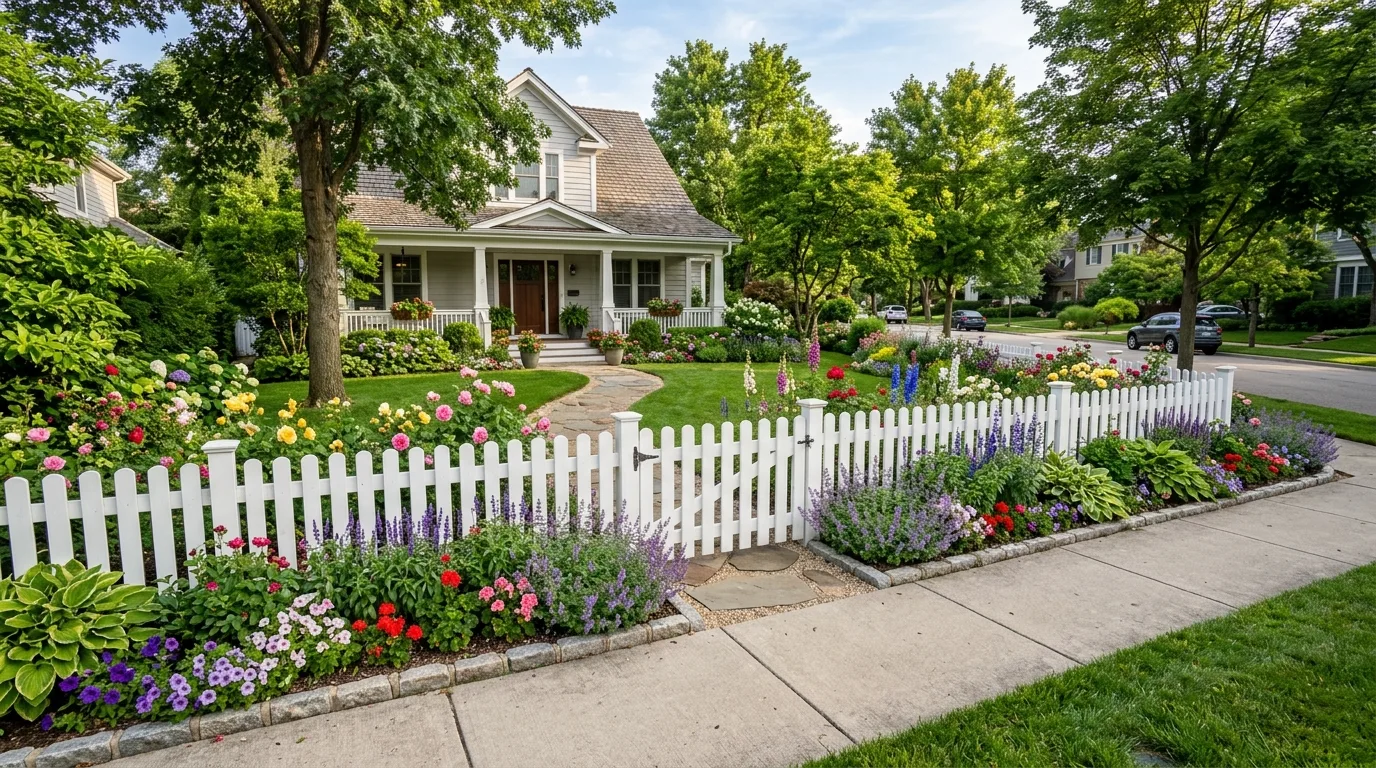
5. Keep front yard fences lower and more open
Low picket or decorative fencing is often the friendliest choice in front gardens because it frames planting while preserving curb appeal and visibility. It can still create a clear edge without feeling defensive.
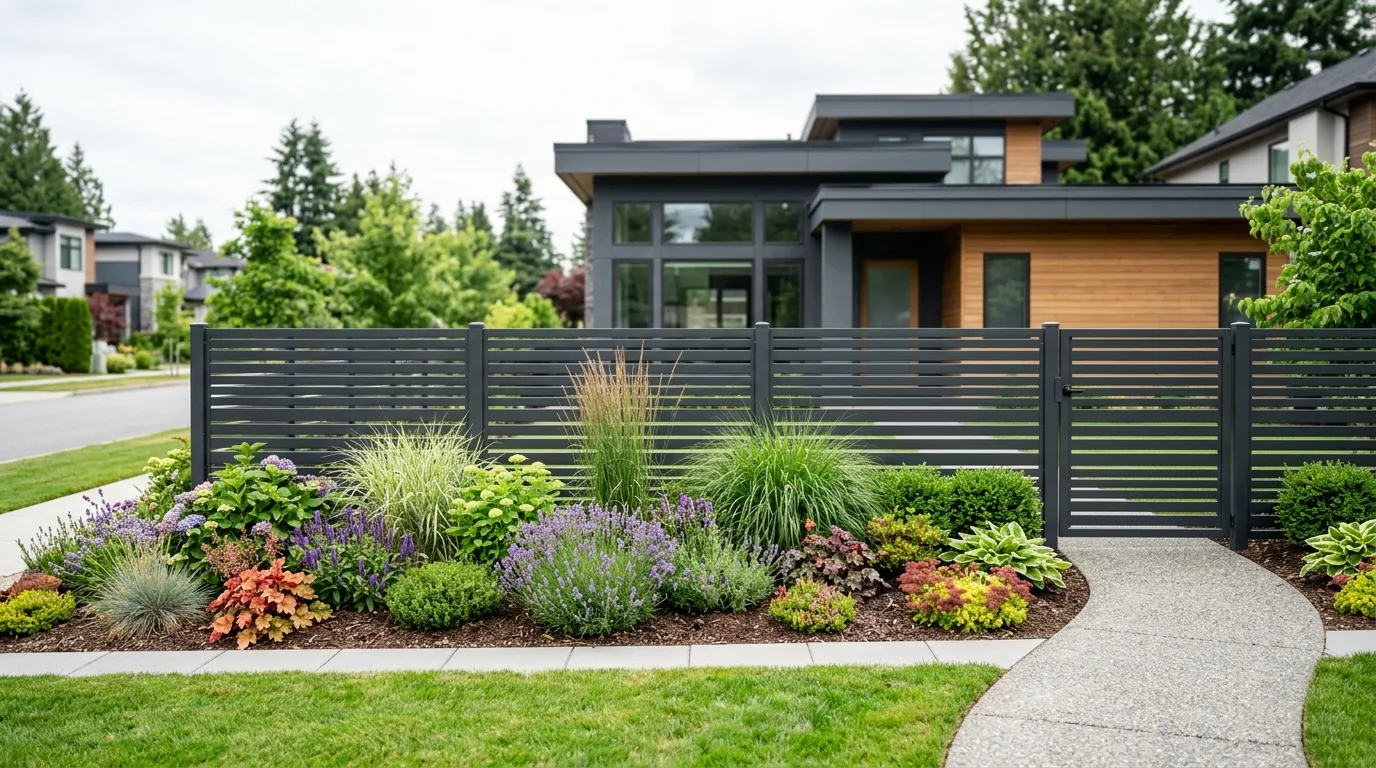
6. Let material and design support the chosen height
A metal fence, for example, can feel lighter than a solid timber wall at the same height because of its visual openness. The material affects how tall the fence actually feels in the landscape.
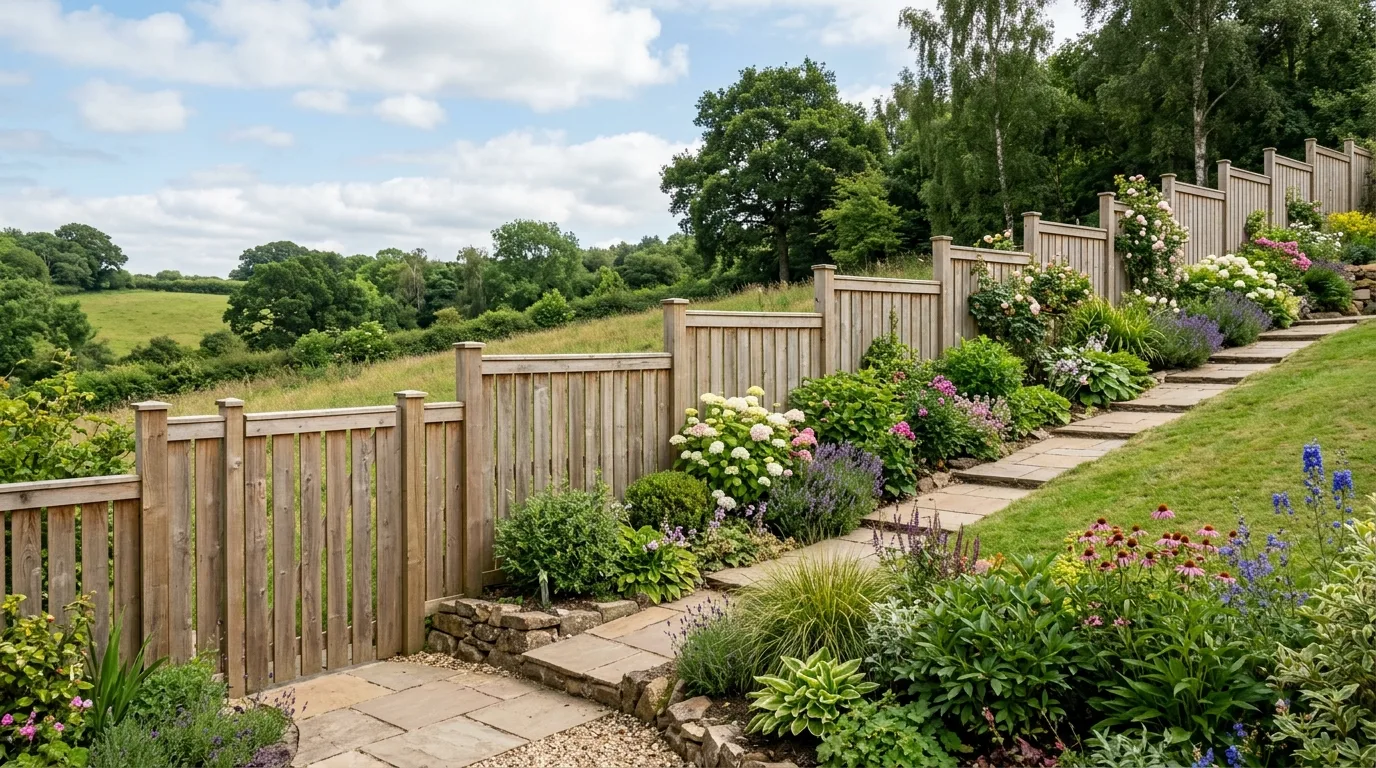
7. Step the fence gradually on sloped ground
On sloping terrain, height is best handled in stages so the fence looks intentional rather than awkward. Stepped panels help maintain consistency while respecting the grade.
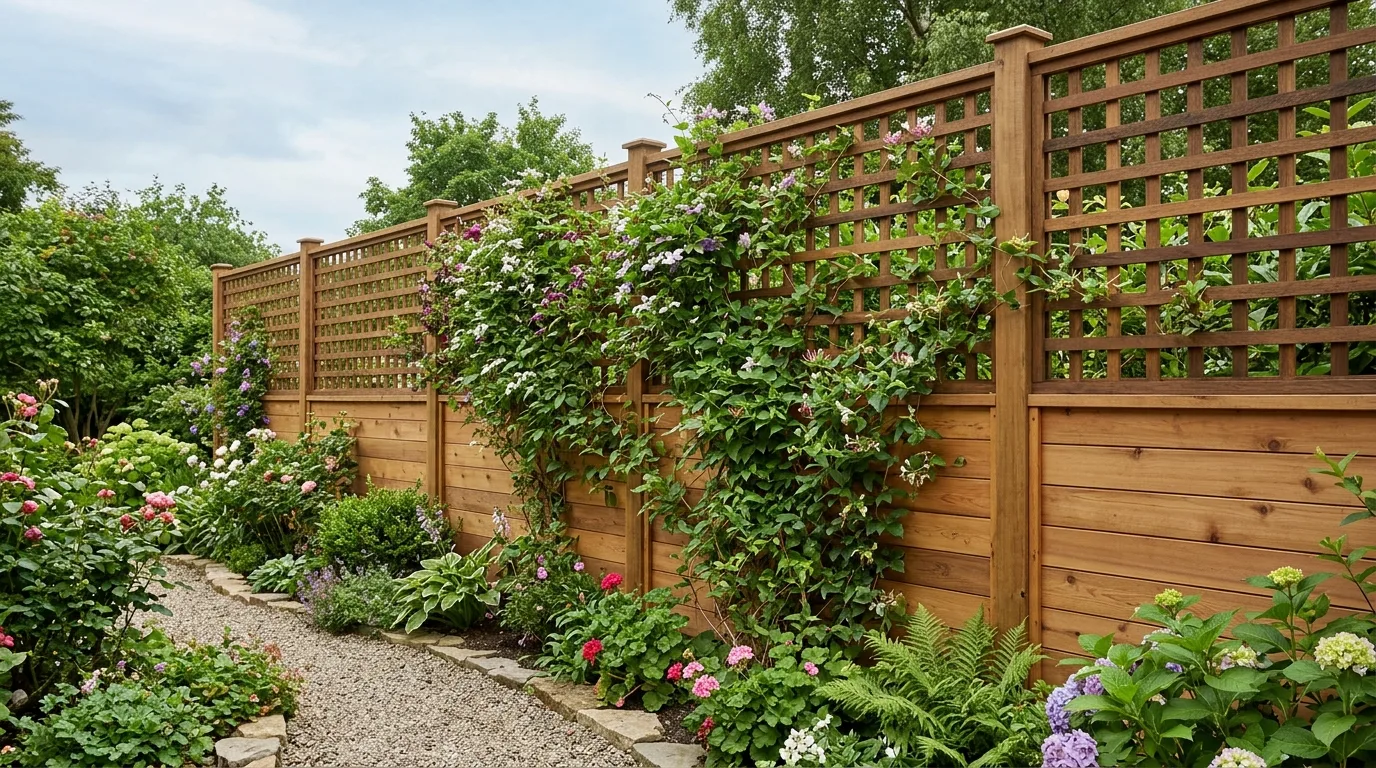
8. Use lattice to add height more softly
A lattice extension can increase screening while keeping the top of the fence from feeling too heavy or abrupt. It is especially useful when you want privacy with a more decorative finish.
9. Let different zones use different fence heights
One uniform height is not always the smartest solution across an entire property. Utility areas, gardens, and relaxation zones can all benefit from different degrees of enclosure.
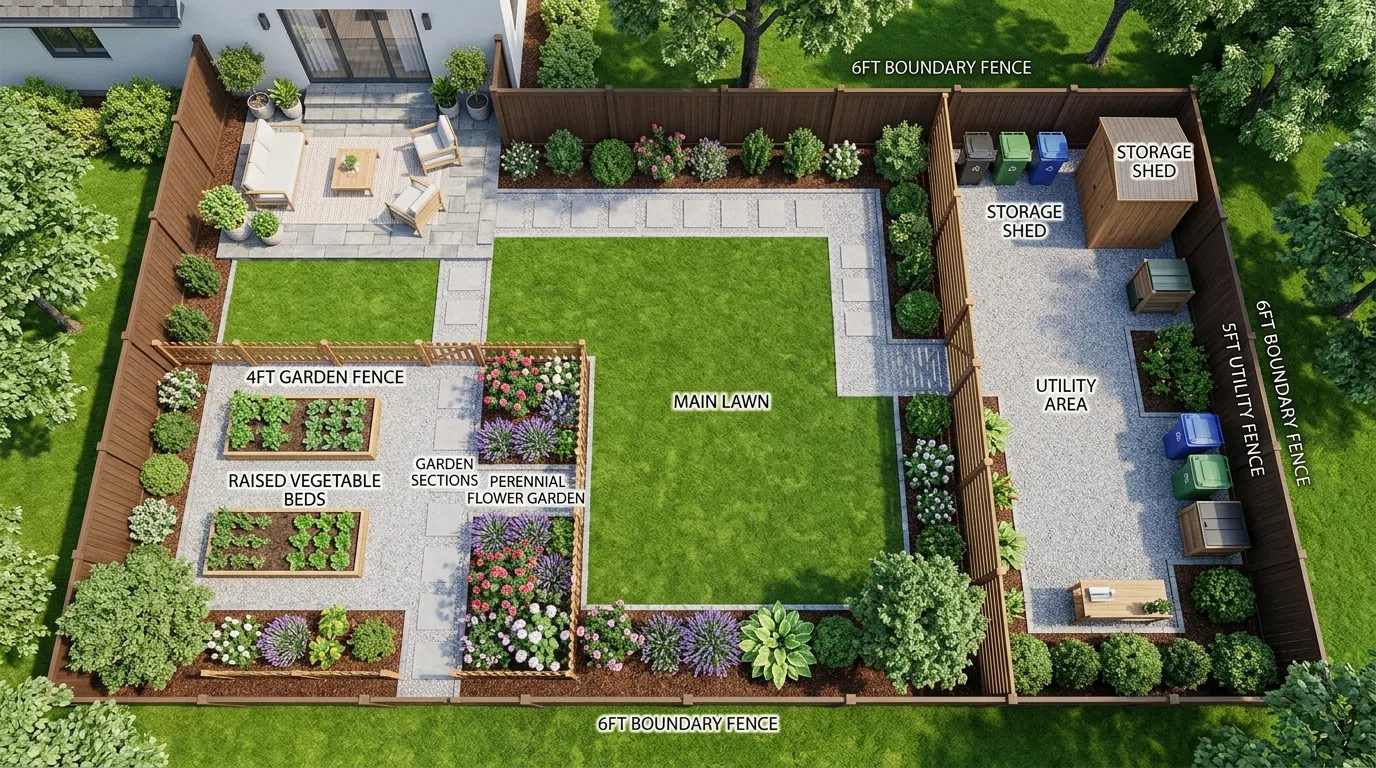
10. Keep the final fence height visually proportional
The best fence height is the one that feels right with the house, shrubs, paths, and garden scale around it. When the proportions make sense, the fence supports the landscape instead of dominating it.