Use reflective mulch sheets more effectively to boost light, suppress weeds, reduce evaporation, and support productive beds, containers, orchards, and raised gardens.
- Reflective mulch is most useful where extra light and cleaner growing conditions matter.
- It can support vegetables, fruiting crops, raised beds, containers, and orchard-style layouts.
- The best results come when mulch sheets are treated as part of the growing system, not just surface cover.
1. Run reflective mulch between vegetable rows
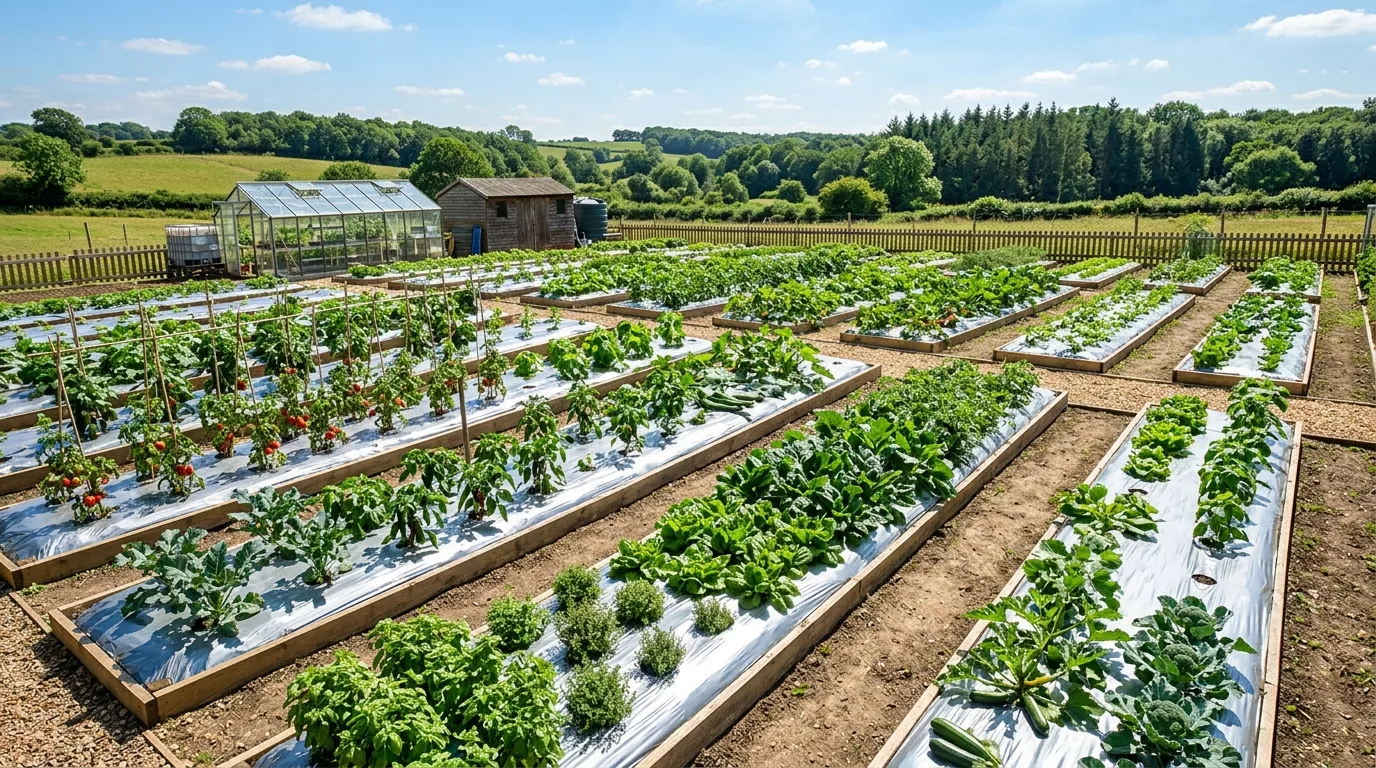
This is one of the most straightforward and effective uses because it directs more light toward crops like tomatoes while keeping the bed cleaner and more manageable.

2. Use it in a strawberry patch
Strawberries benefit from cleaner fruit, reduced weed pressure, and better reflected light. The silver surface also gives the patch a much more organized feel.

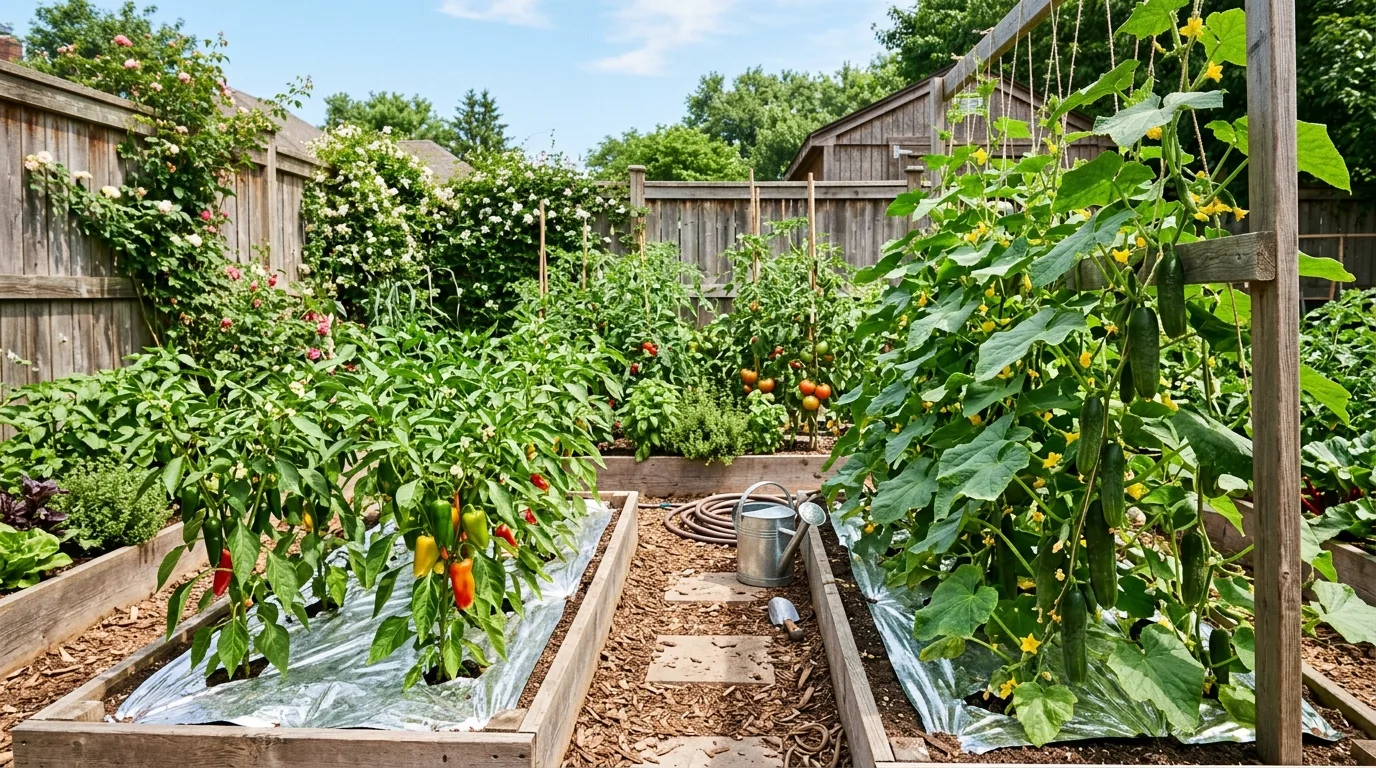
3. Cover raised bed soil for a tidier productive layout
Raised beds become easier to manage when the mulch covers exposed soil and helps direct sunlight back toward the plants. It is especially useful in neat kitchen-garden setups.
4. Improve light spread in a greenhouse
Inside a greenhouse, reflective mulch can help bright conditions reach lower foliage more evenly. This makes it particularly useful around leafy crops in controlled growing spaces.

5. Use it under peppers and cucumbers
Fruit-bearing crops in sunny beds can benefit a lot from the extra bounce of light and the tidier soil conditions that reflective mulch creates.
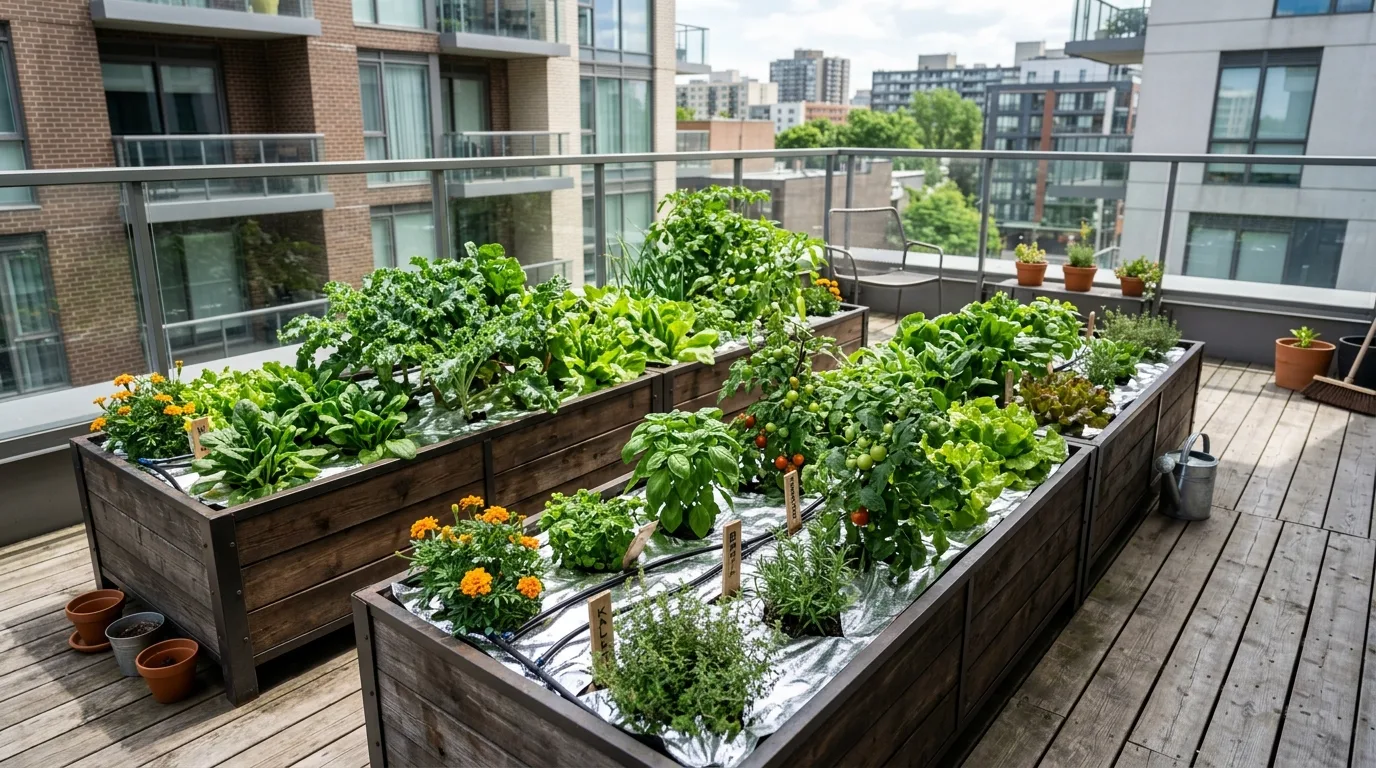
6. Adapt it for container growing on patios
Reflective mulch is not only for large gardens. It can also support compact patio growing by brightening container plantings and helping reduce moisture loss.
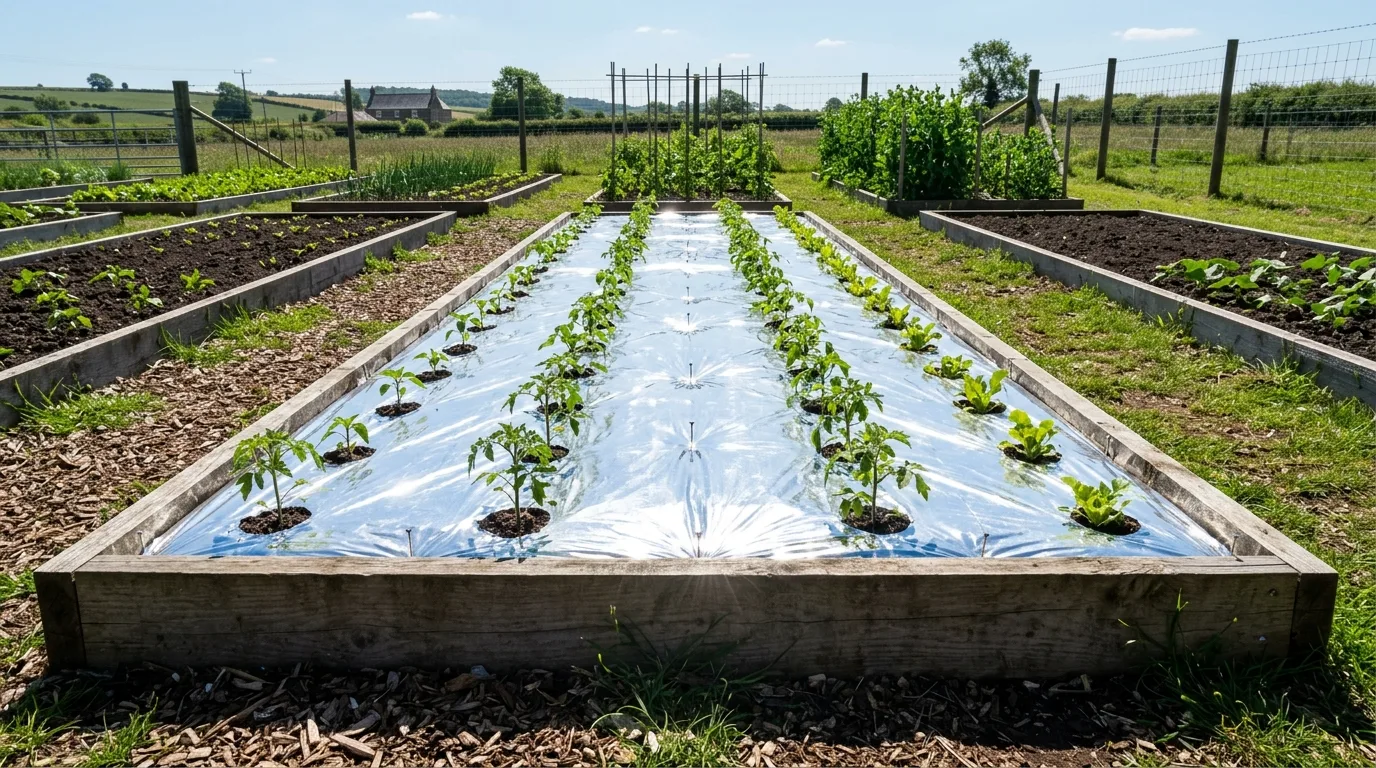
7. Scale it across longer crop rows
In a farm-style layout, reflective mulch can bring order, efficiency, and stronger light management to more productive growing zones.
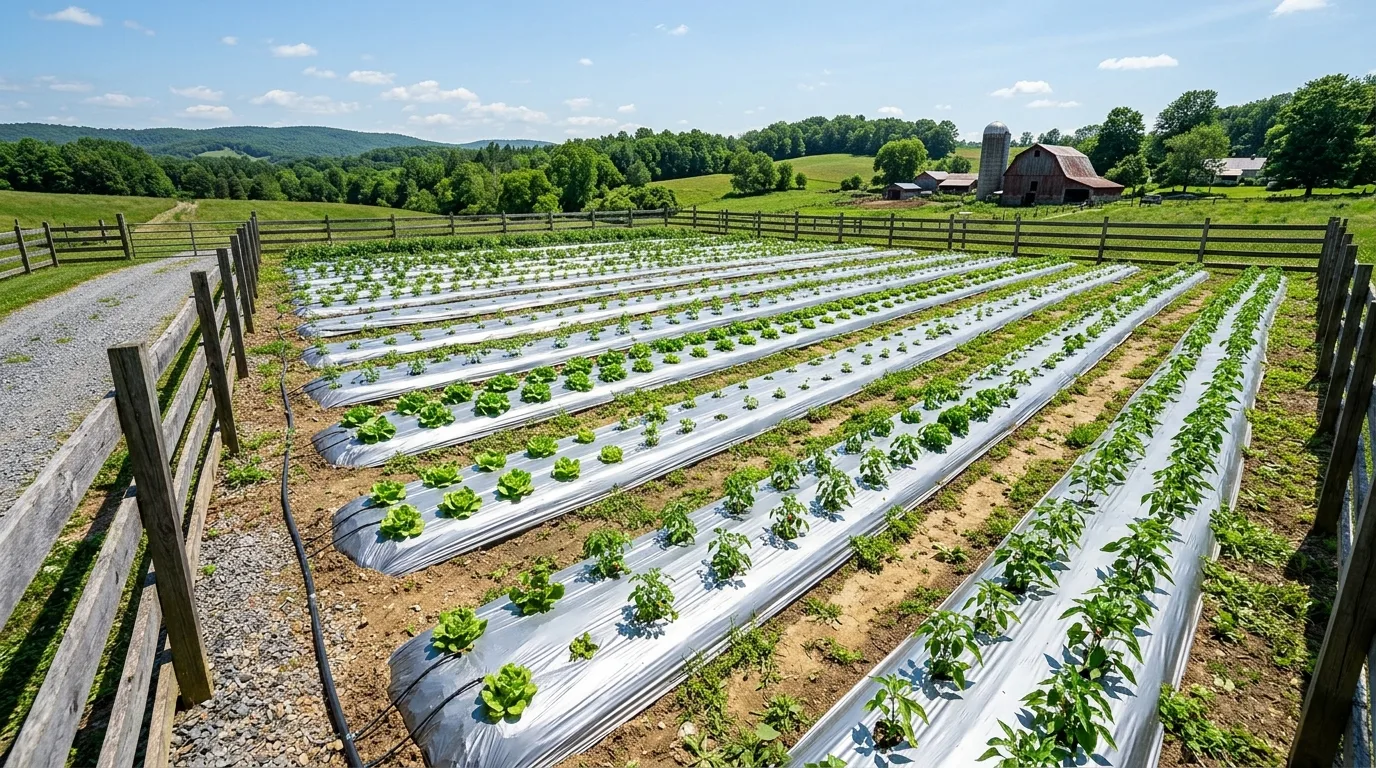
8. Pair it with irrigation to reduce evaporation
Reflective mulch works especially well in systems where water retention matters, because it can help shade soil surfaces while keeping the bed cleaner and more controlled.

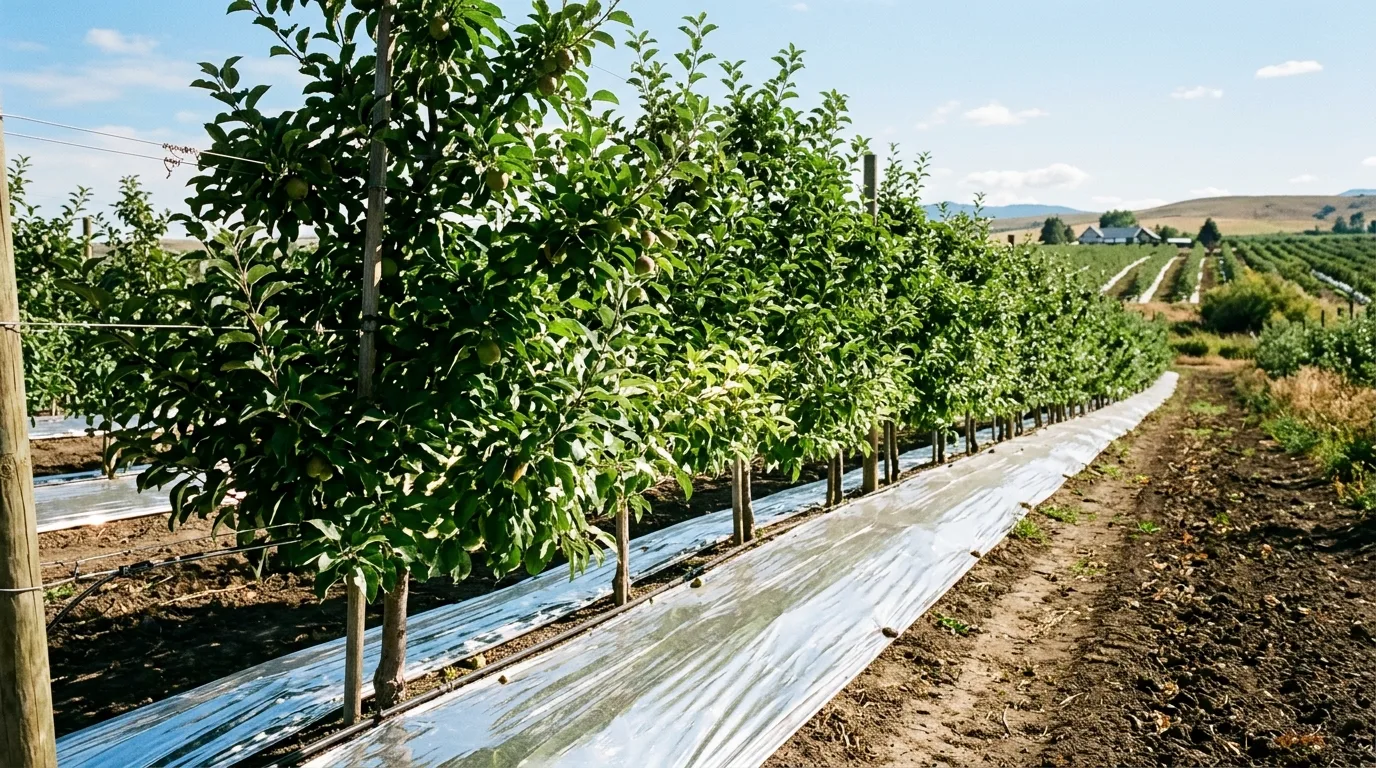
9. Use it around fruit trees in an orchard setting
Mulch sheets can help reflect more usable light into lower canopies while also making tree bases look more maintained and deliberate.
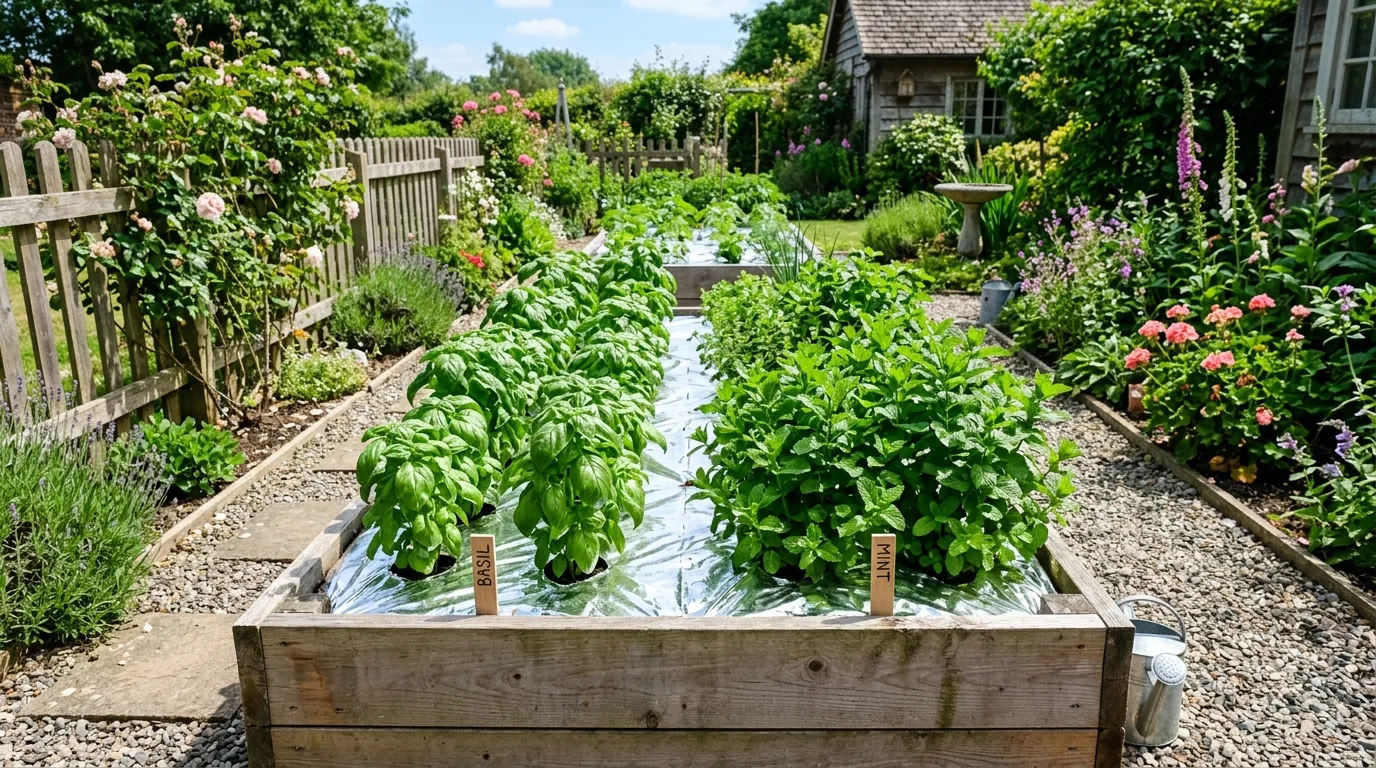
10. Brighten herb beds with reflective surfaces
Herbs like basil and mint can benefit from the cleaner conditions and extra light bounce in a tidy home garden layout.
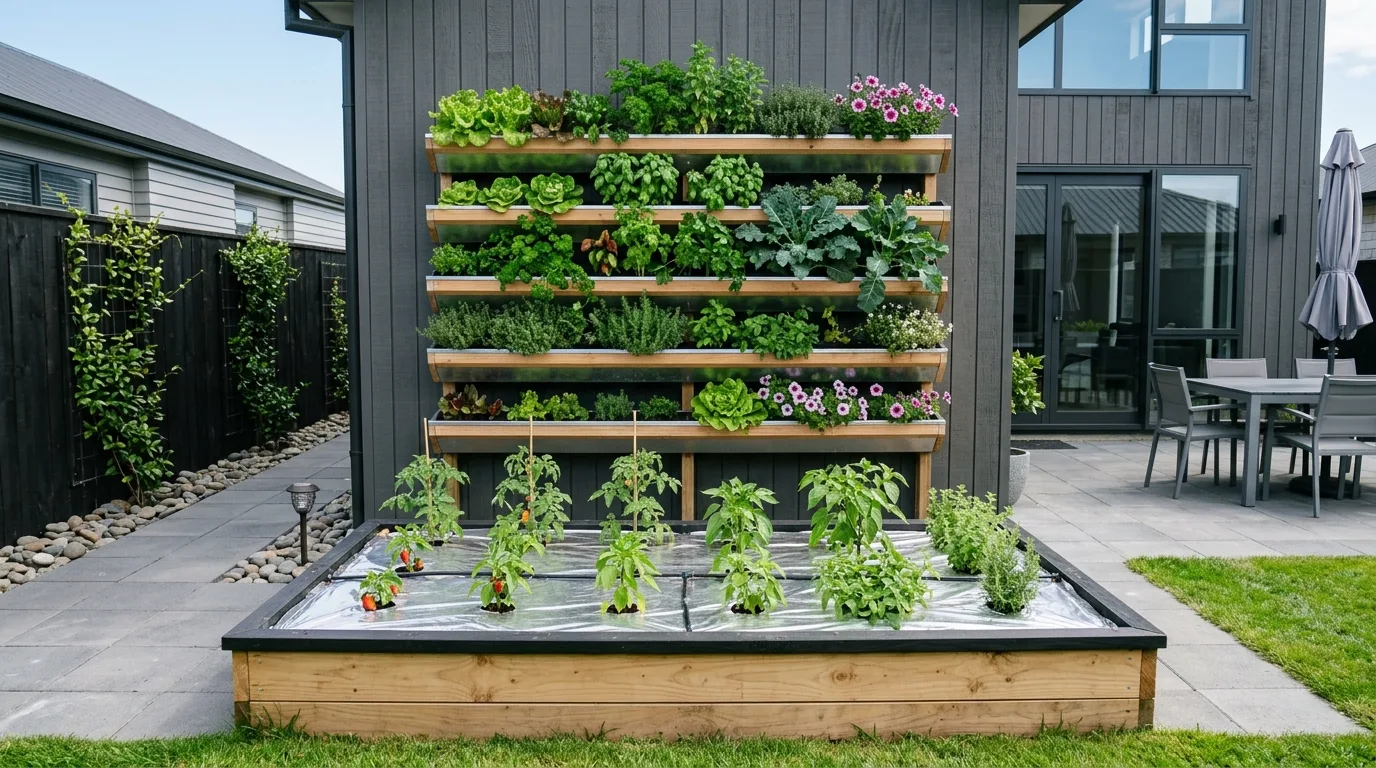
11. Combine reflective mulch with vertical growing
In compact gardens, reflective mulch and vertical structures can work together to maximize light efficiency and crop performance.
12. Use it across the whole productive garden for consistency
The strongest reflective mulch layouts feel intentional because multiple beds share the same organized approach to light, moisture, and weed control.