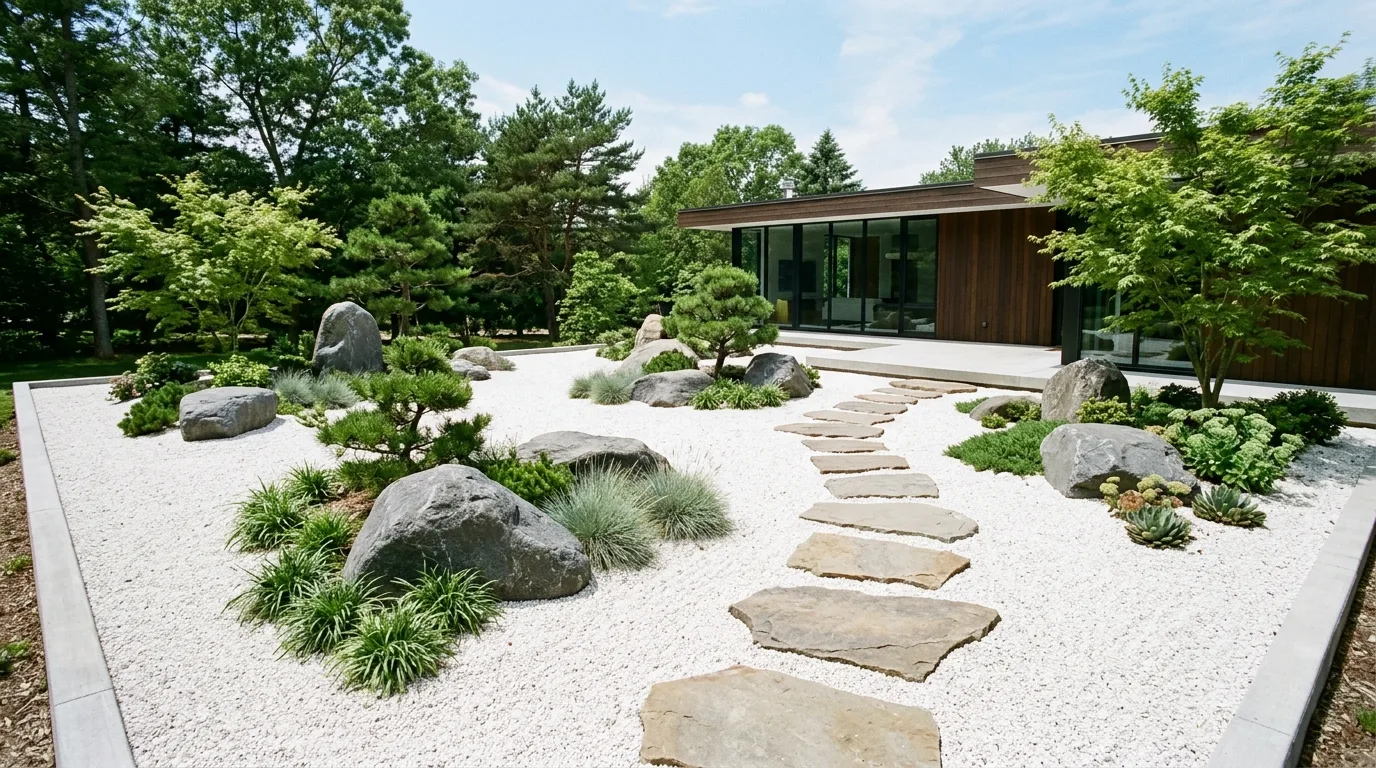
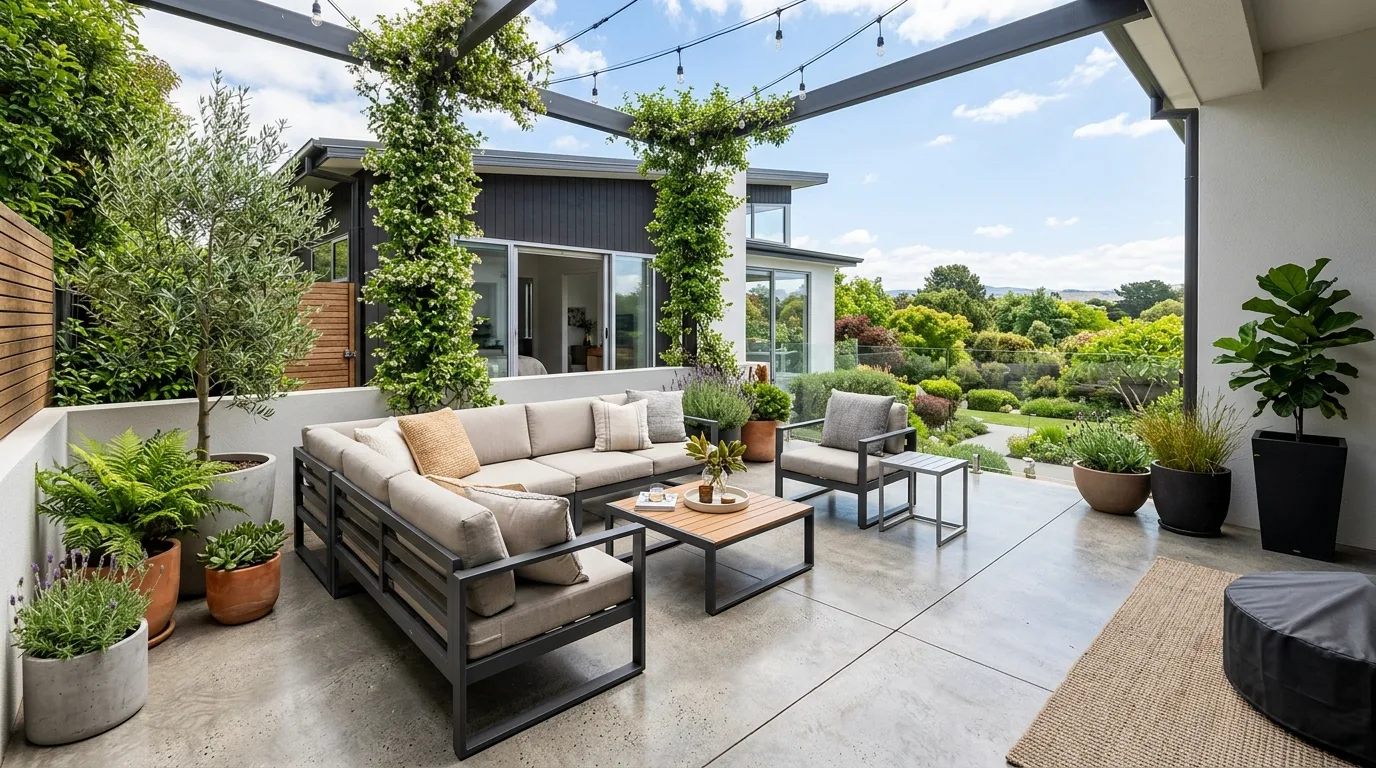
Organize a garden more intentionally by understanding sunset-facing plant zones, warm light exposure, layered layout decisions, and west-facing planting strategies.
- Sunset zones are about both light exposure and how the garden feels in evening conditions.
- Warm-toned flowers, drought-tolerant plants, and layered grouping often work especially well in west-facing light.
- A strong plan maps transitions between full evening sun and adjacent shade rather than treating the whole garden the same.
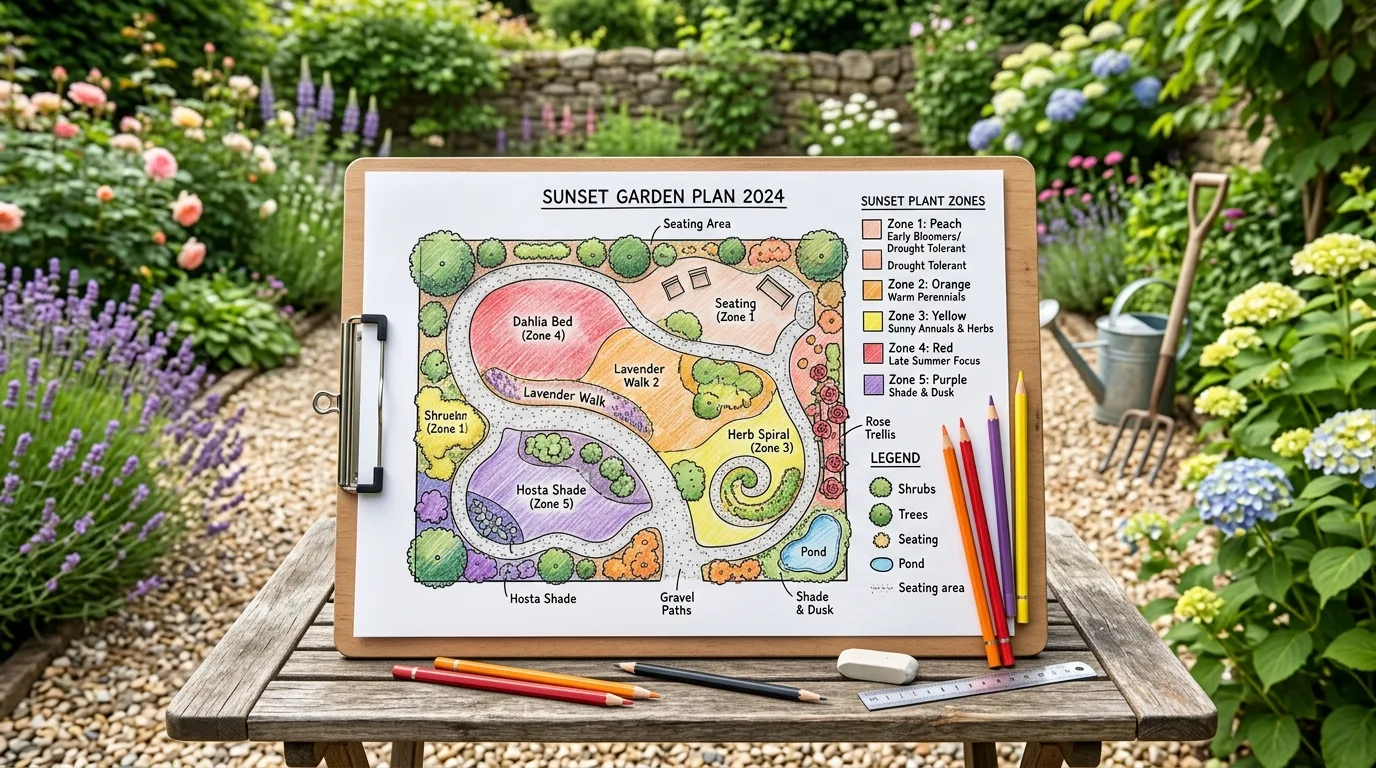
1. Start with a zoned garden sketch
A planning diagram makes sunset exposure easier to understand because it turns vague light patterns into clear planting zones. Even a simple sketch can make the eventual layout much smarter.
2. Group warm-toned flowers where evening light hits hardest
Marigolds, roses, and other warmer blooms can look especially rich when they catch the late-day sun. Their color becomes part of the sunset effect itself.

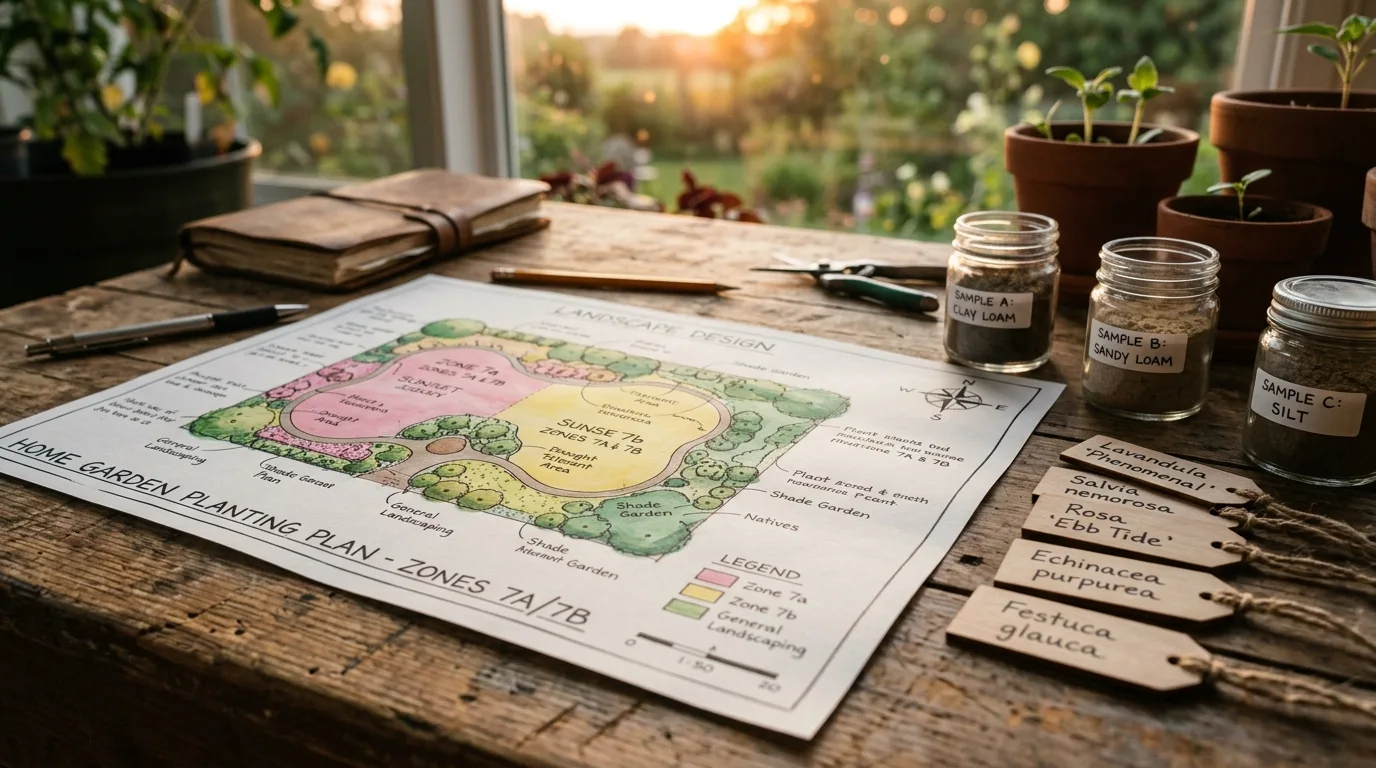
3. Plan with labels, soil notes, and plant samples
Good sunset-zone planning is not only about flowers. It also depends on matching soil, irrigation, and plant habit to the light pattern you are working with.
4. Structure the garden in layers around evening sun
Beds arranged by how strongly they receive late sunlight often feel more coherent than beds planted without that awareness. Layering also helps the changing light feel more dramatic.
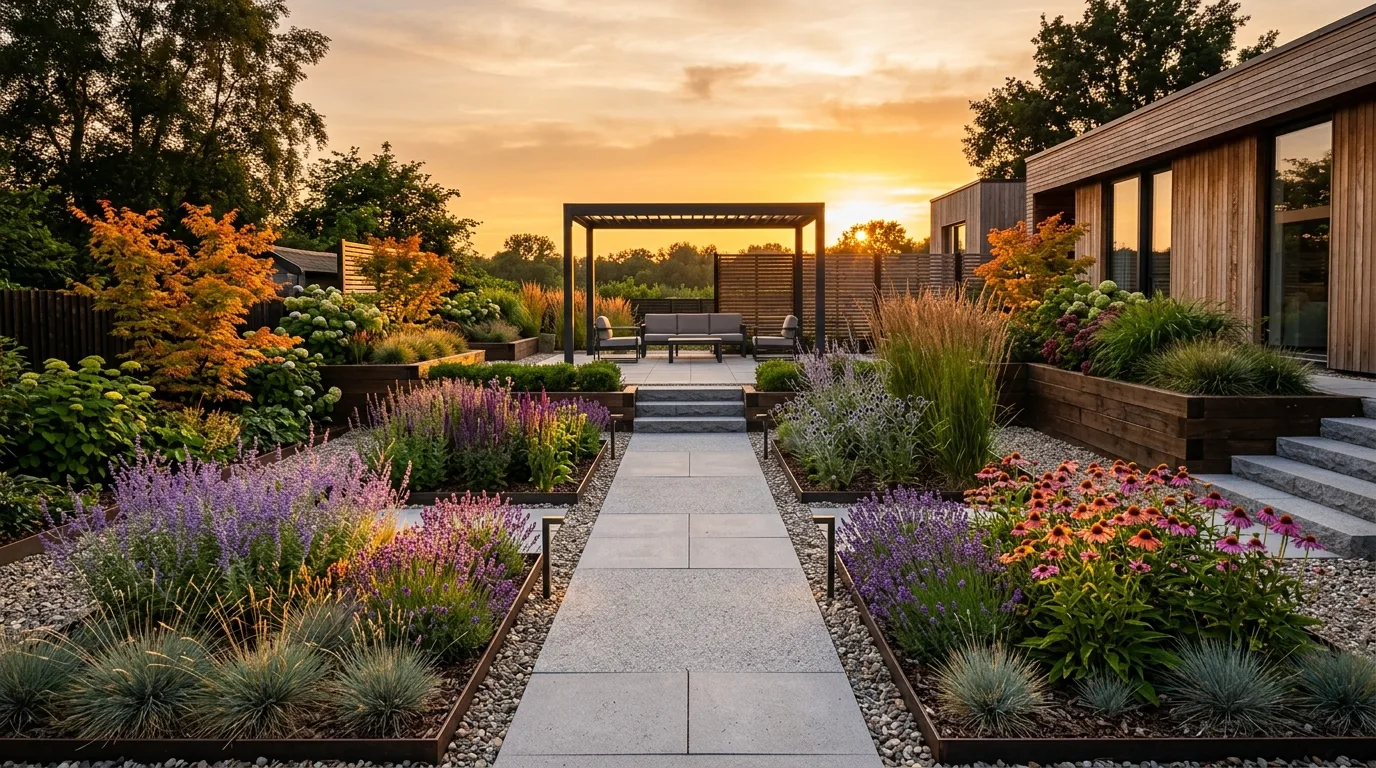
5. Treat the west-facing edge as a special zone
A west-facing planting strip often becomes the most vivid part of the garden in the evening. It is worth designing this area with stronger color and more deliberate structure.

6. Mark sun and shade transitions on site
Stakes, notes, and temporary labels help you see where the garden changes from strong sunset light into softer evening shade. Those transitions matter more than they first appear.
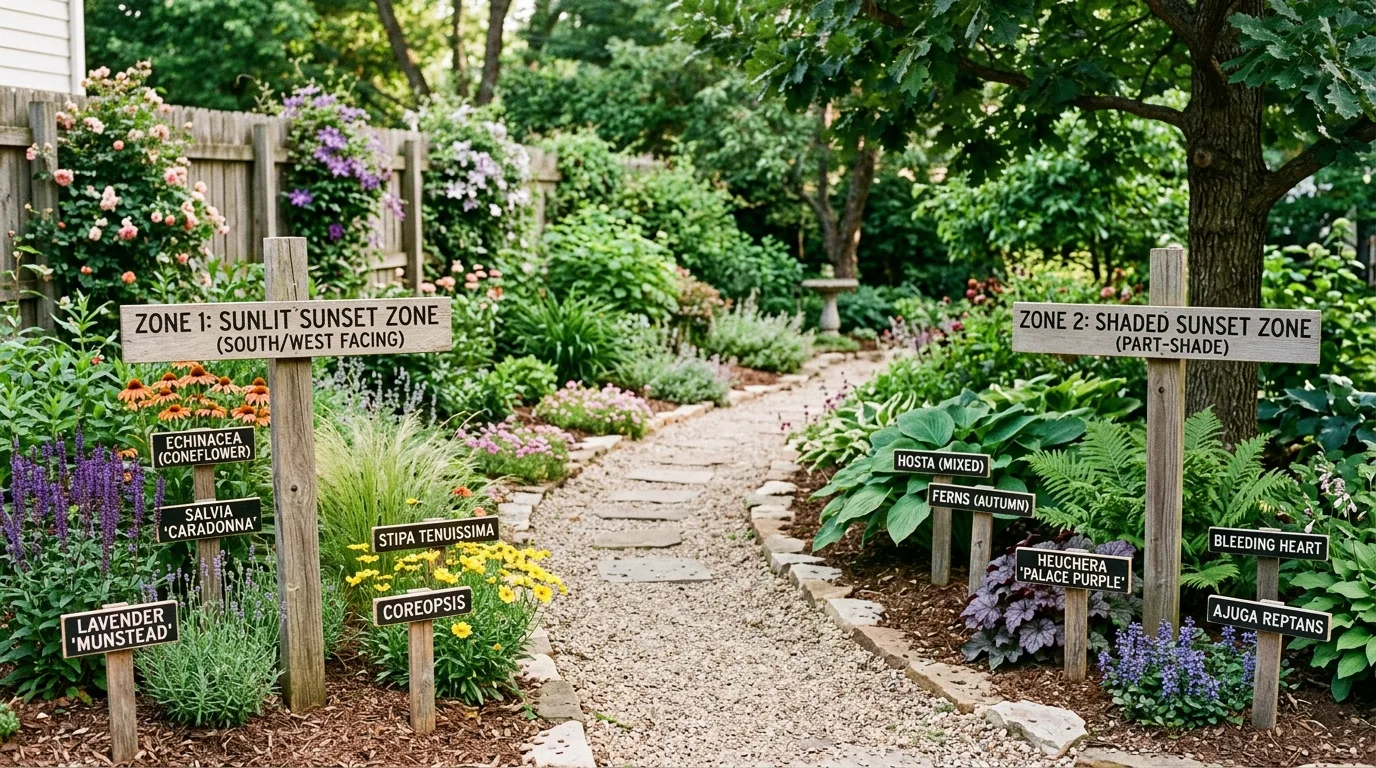
7. Use drought-tolerant plants in the hottest sunset bands
Warm late-day light can be especially drying, so some sunset-facing zones benefit from tougher, sun-loving planting palettes. This also creates a beautiful earthy visual language.

8. Bring the planning indoors when needed
A garden workspace with notebooks, packets, and diagrams can help you think more clearly through sunset planting before any digging starts. It keeps the overall plan more intentional.

9. Notice the shift from full evening sun into shade
Not every part of a sunset garden receives the same intensity of light. Designing for that gradual shift helps the planting feel more successful and more nuanced.

10. Organize blooms by harmony as well as exposure
A successful sunset garden is not just practical. It also looks beautiful because plant heights and colors are arranged to glow well together in evening light.

11. Let the entire garden read clearly by sunset zone
The most effective sunset-zone plans are visible in the finished garden because each section responds to its light conditions in a noticeable way. That makes the yard feel both beautiful and intentionally planned.