Build more resourceful raised beds with reclaimed pallets, blocks, barrels, drawers, bricks, troughs, recycled plastic lumber, and other sustainable DIY materials.
- Recycled raised beds work best when the material still feels sturdy and garden-appropriate.
- The most successful DIY beds balance sustainability with usability and appearance.
- Different recycled materials suit different garden moods, from rustic to industrial to modern.
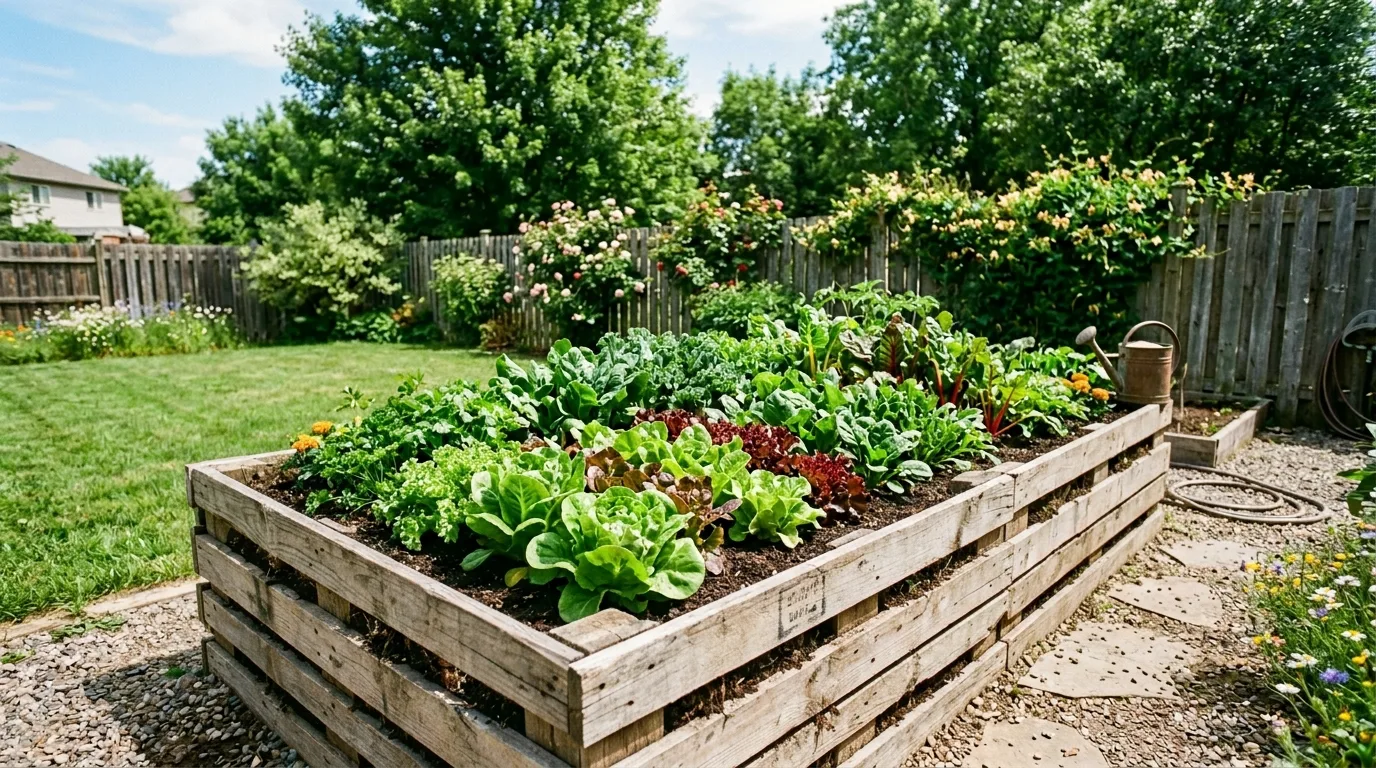
1. Build simple pallet raised beds
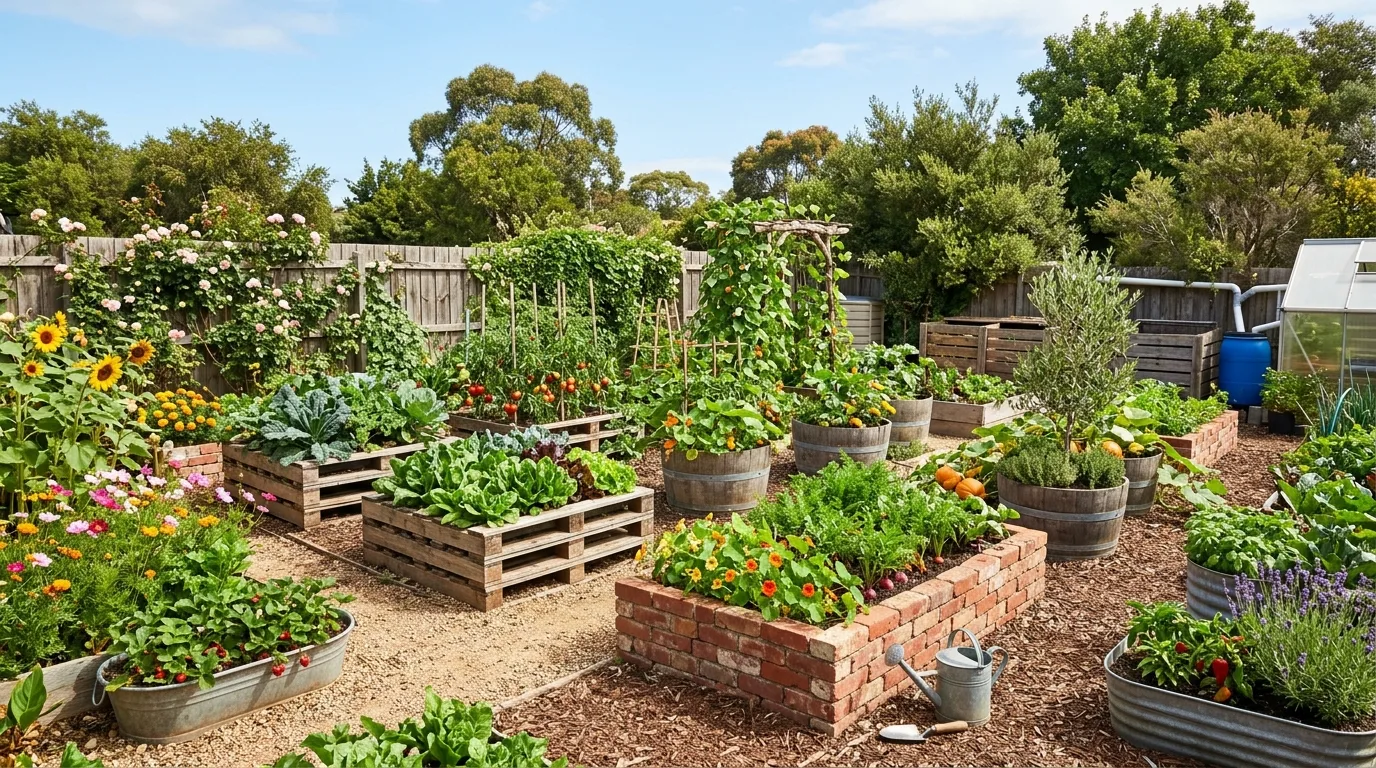
Pallet wood can become one of the easiest and most affordable sources for DIY bed framing when it is in good shape. It brings a casual reclaimed look that suits productive gardens well.
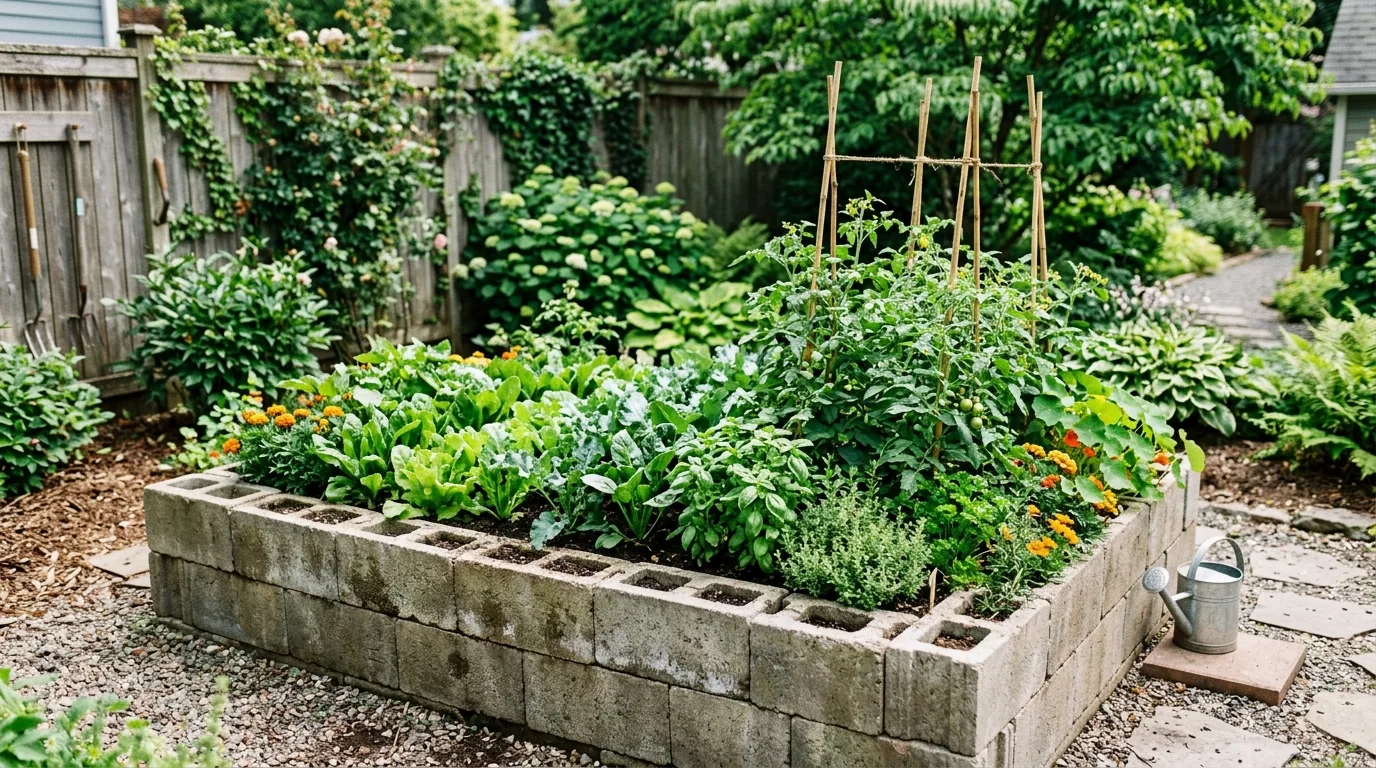
2. Use stacked concrete blocks
Concrete blocks are durable, modular, and easy to arrange into tidy raised rectangles. They are especially practical for straightforward edible gardens where structure matters more than ornament.
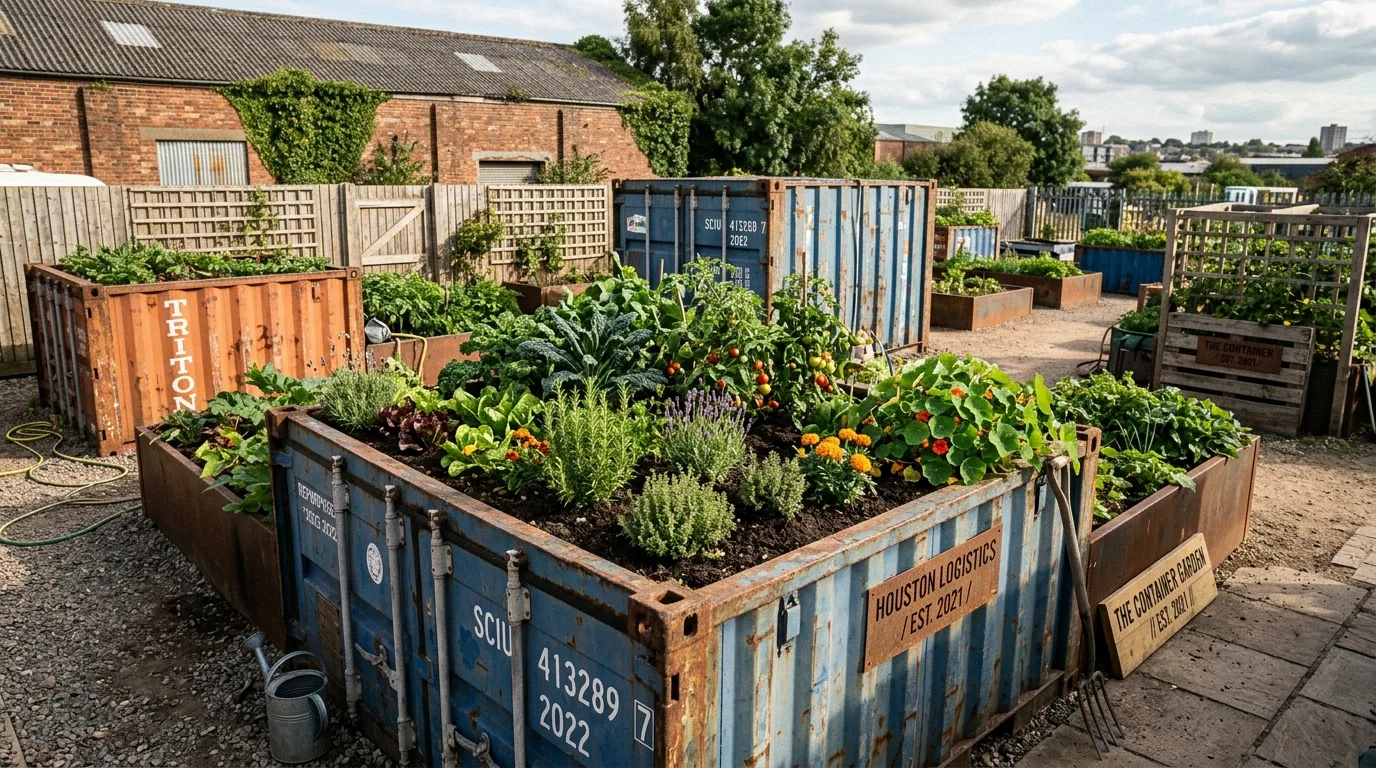
3. Repurpose old metal containers
Cut-down shipping or storage containers can create strong industrial-style beds with lots of visual presence. They suit modern gardens especially well.
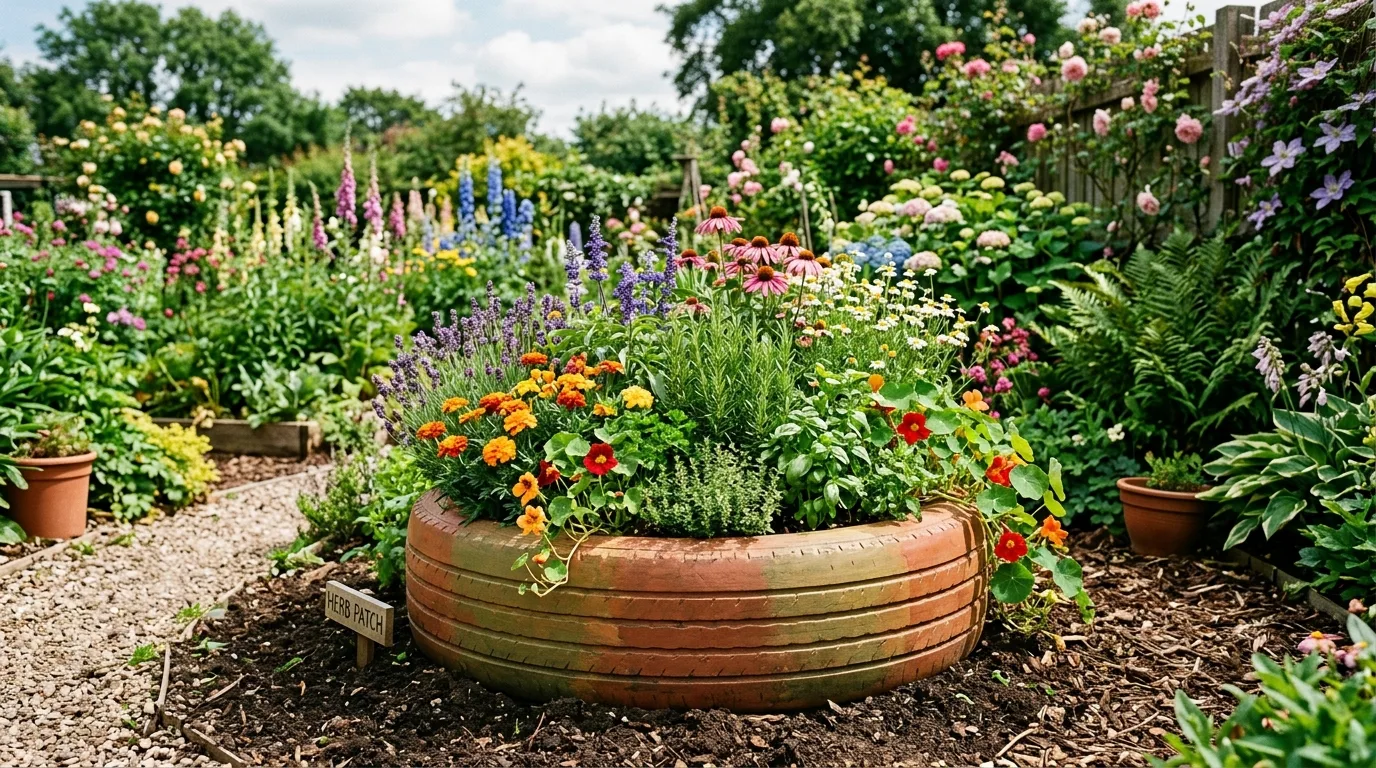
4. Turn old tires into playful raised planters
Tires can work as compact raised beds when used thoughtfully, especially in less formal or more experimental garden spaces. Earth-toned paint helps them blend in better.
5. Stack crates into a rustic raised system
Old crates can create flexible, layered growing areas that feel handmade and charming. They are especially useful in smaller edible gardens or patio growing zones.
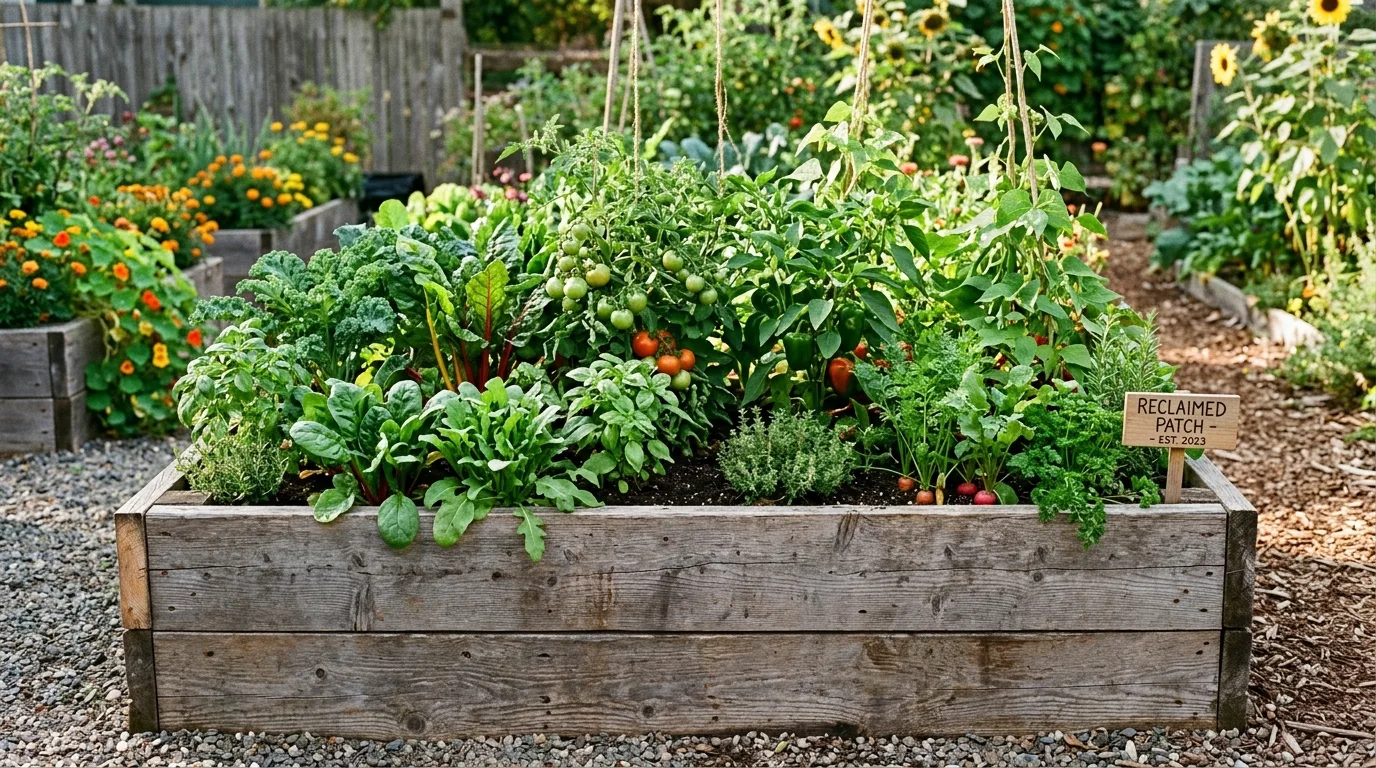
6. Build low raised beds from old brick
Brick gives a cottage-garden quality to raised beds and ages beautifully over time. Layered patterns make the edges feel more crafted and permanent.
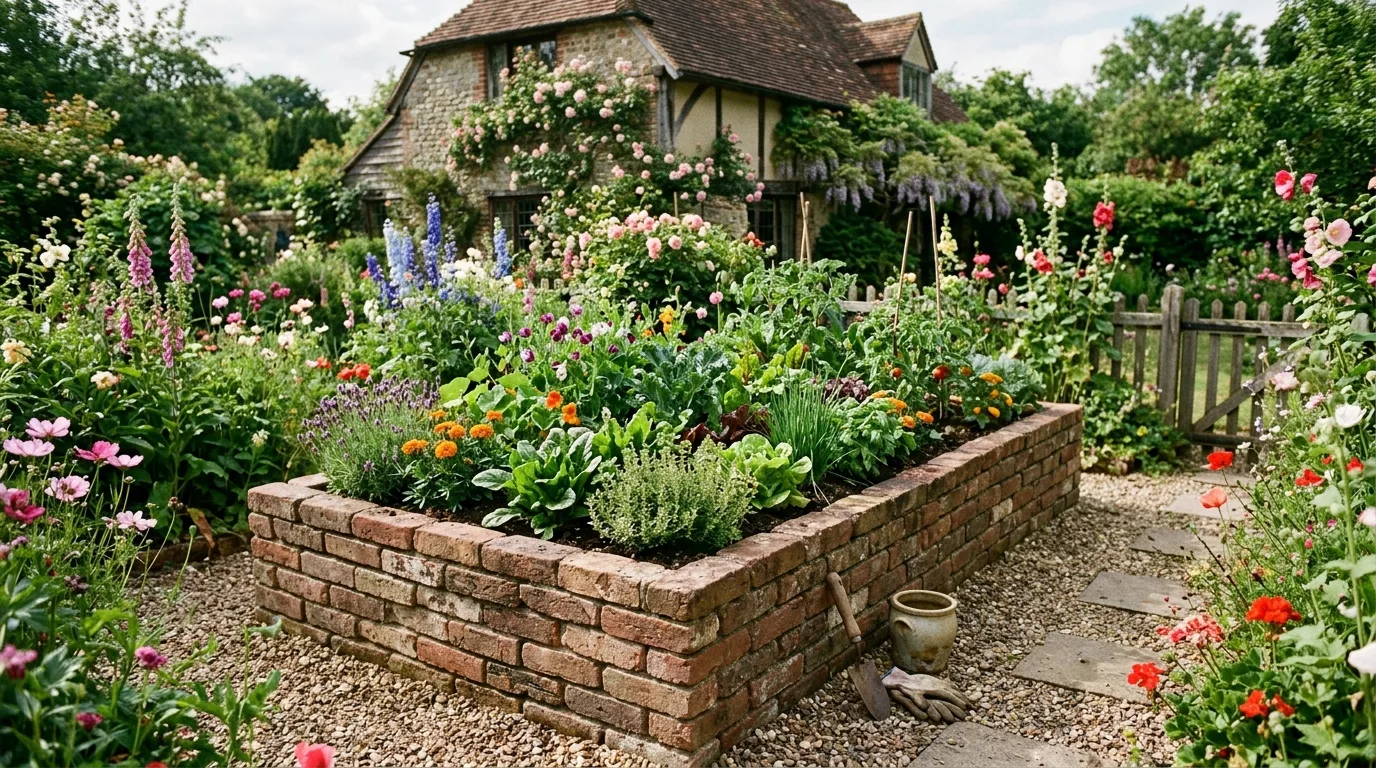
7. Cut wine barrels into half-bed planters
Old barrels make excellent rounded raised beds for herbs and smaller crops. They instantly add warmth and character to the garden while still being very functional.
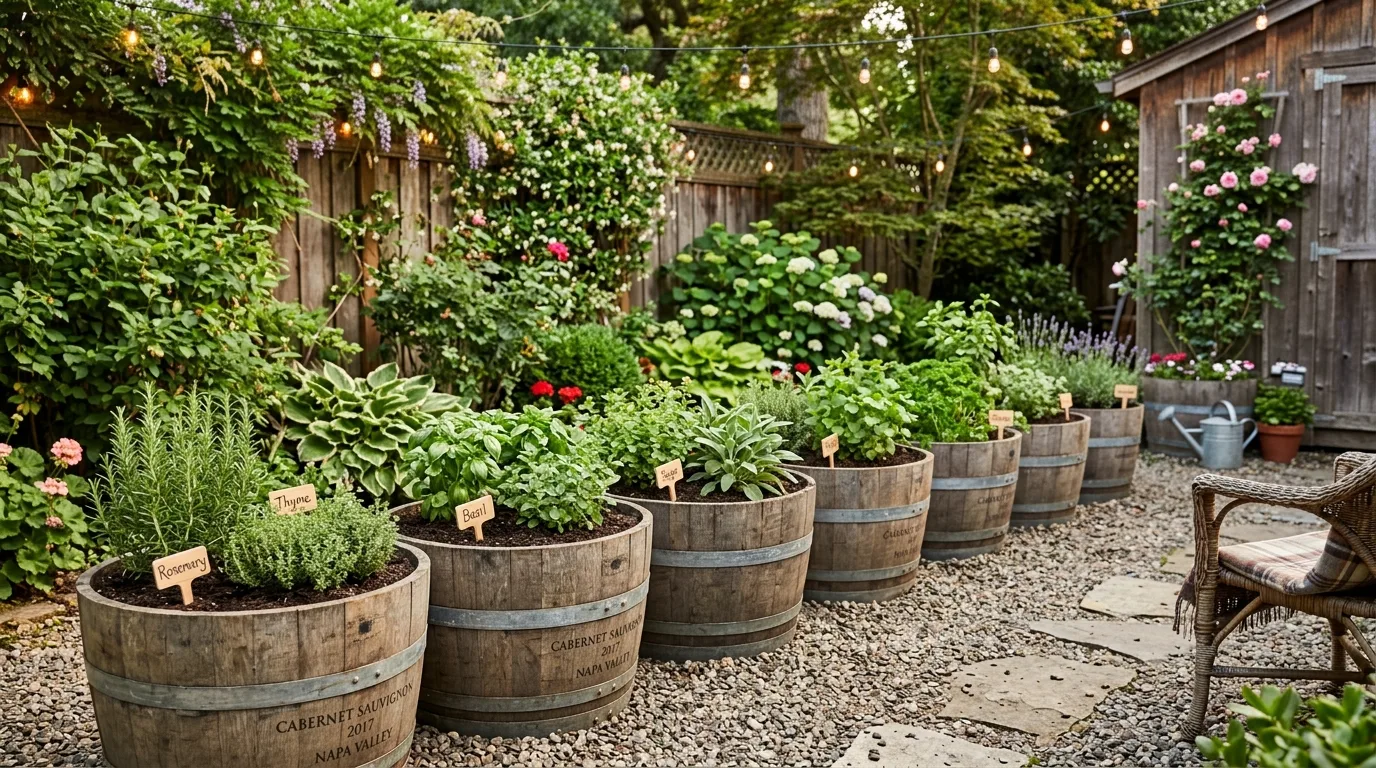
8. Use recycled plastic lumber for durability
Recycled plastic lumber is a practical sustainable option when you want clean lines and low maintenance. It works especially well in more contemporary eco-minded gardens.
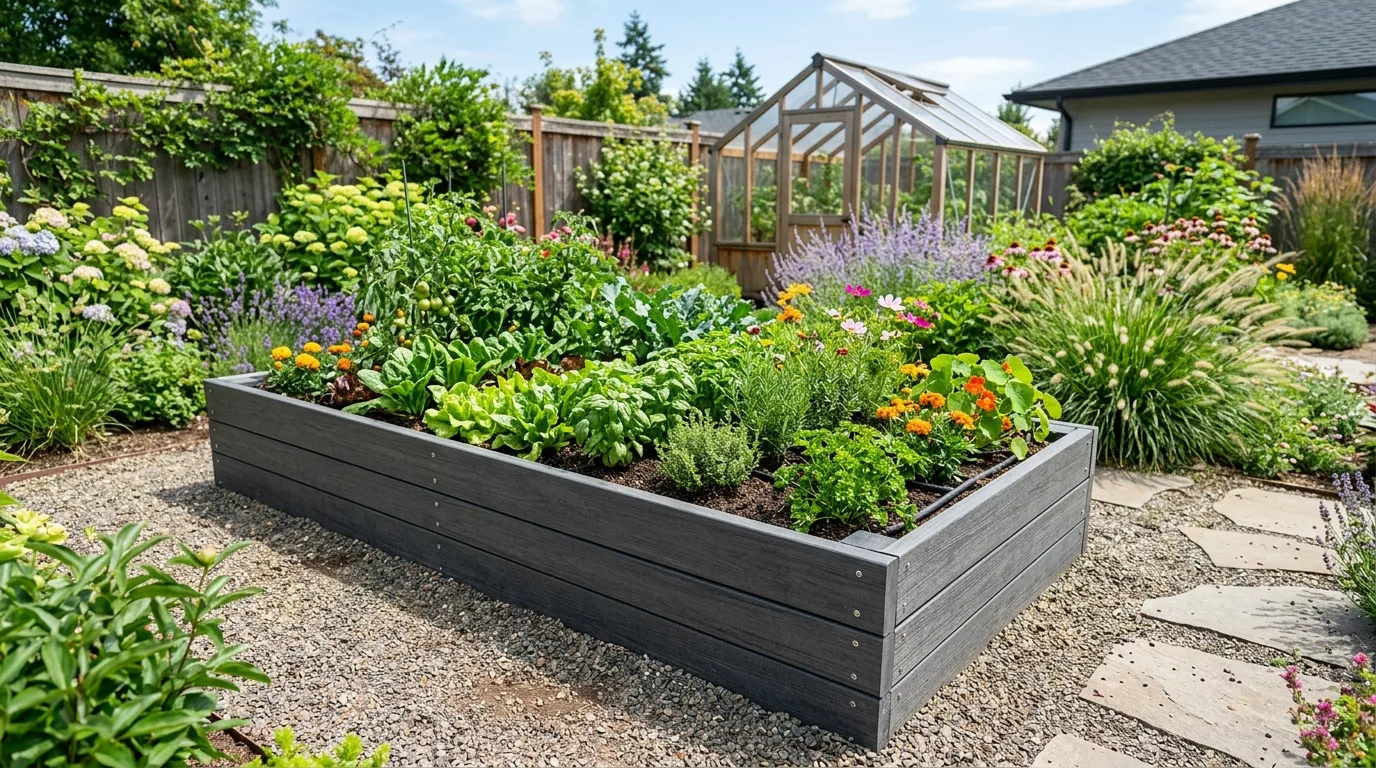
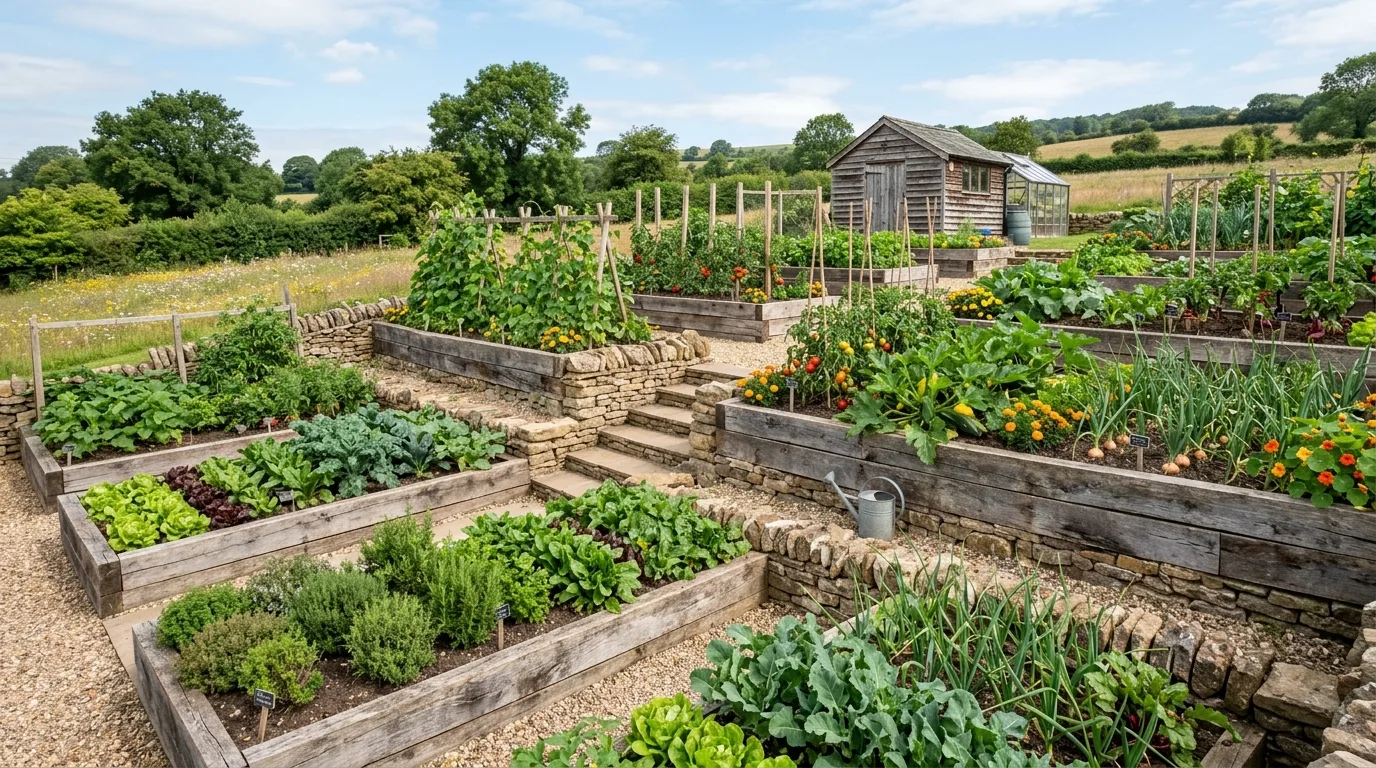
9. Combine stone and wood in multi-level beds
Mixed materials can make a larger vegetable layout feel more substantial and better integrated into the rest of the yard. It is a smart approach when you want both function and design impact.
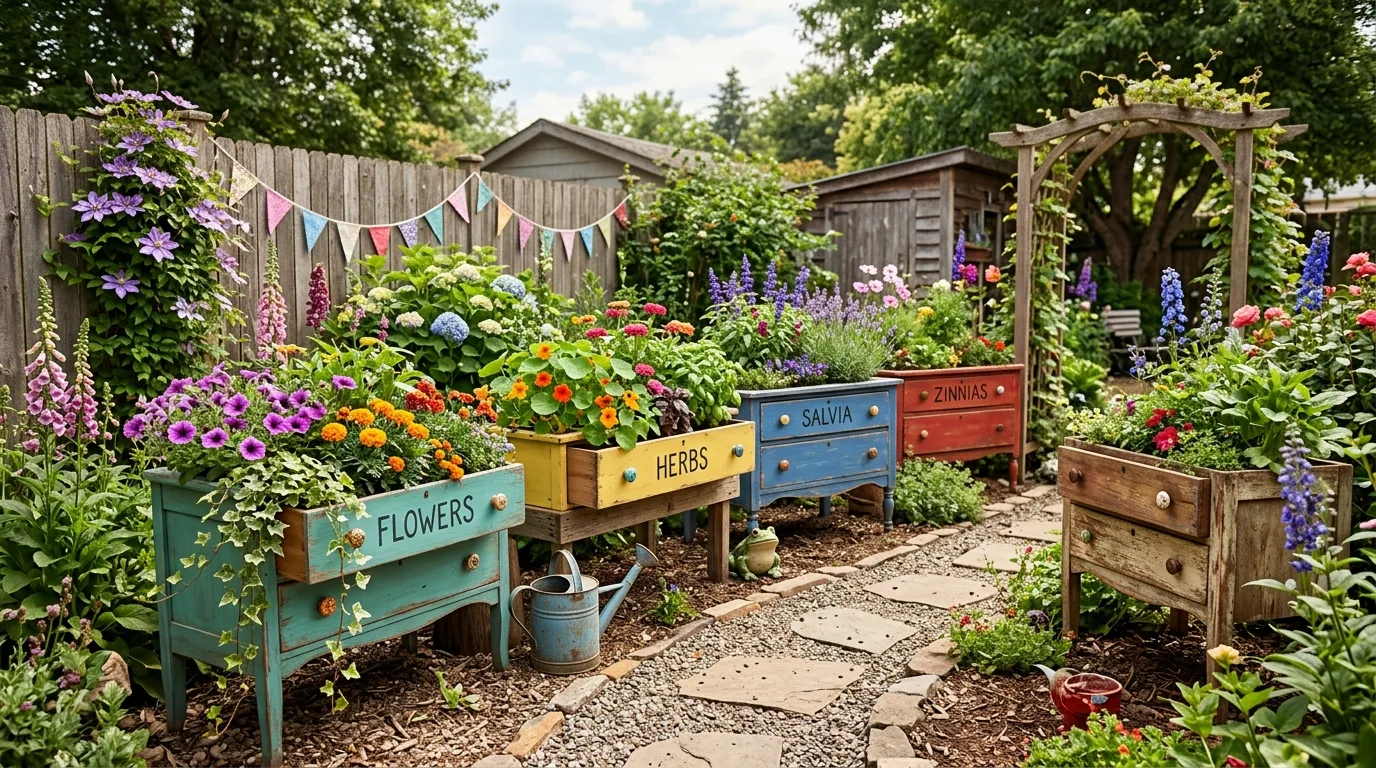
10. Turn dresser drawers into quirky planters
Old drawers can become playful raised containers for flowers, herbs, or a more decorative edible garden. This idea works best when the whole garden already welcomes a little whimsy.
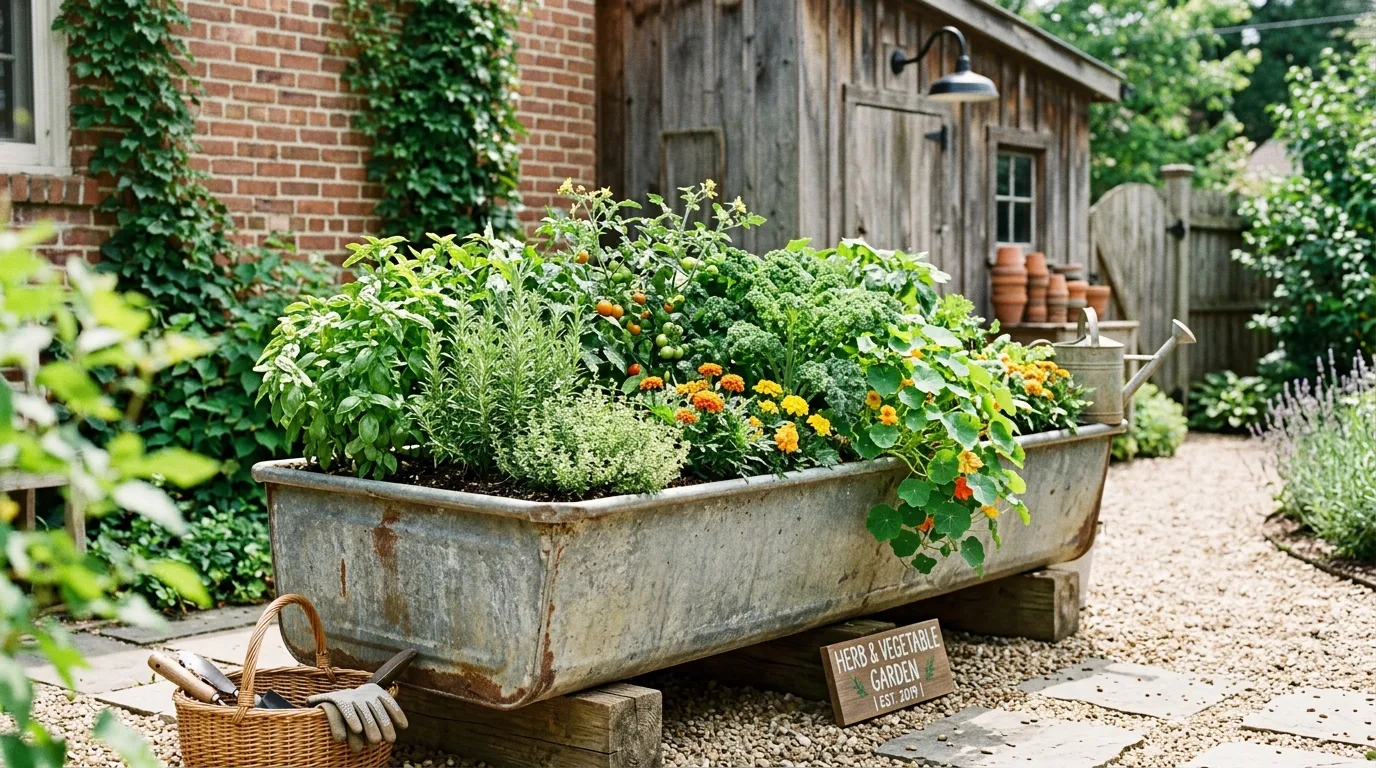
11. Use metal troughs for farmhouse character
Galvanized troughs are durable, practical, and visually strong enough to anchor a productive backyard. They create a nice balance between industrial and rustic.
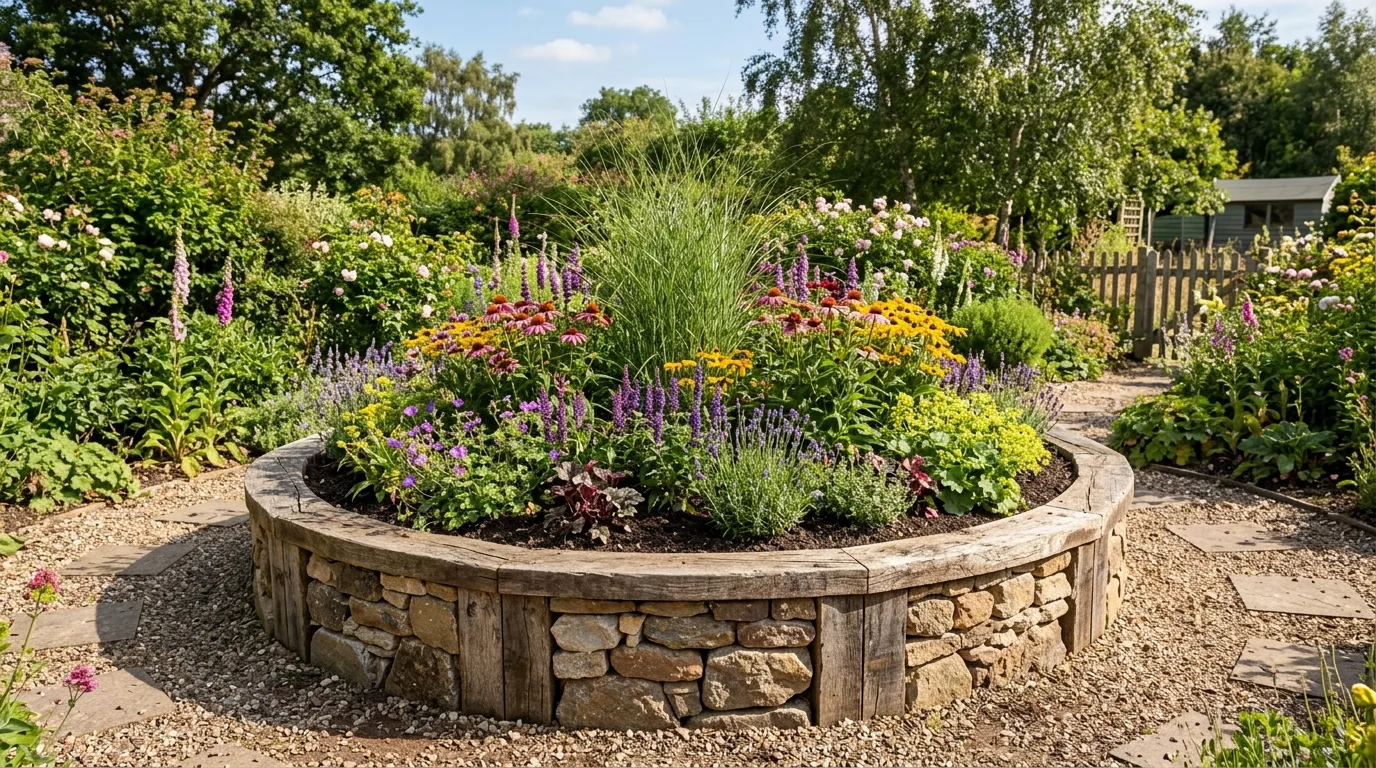
12. Try a circular recycled raised bed
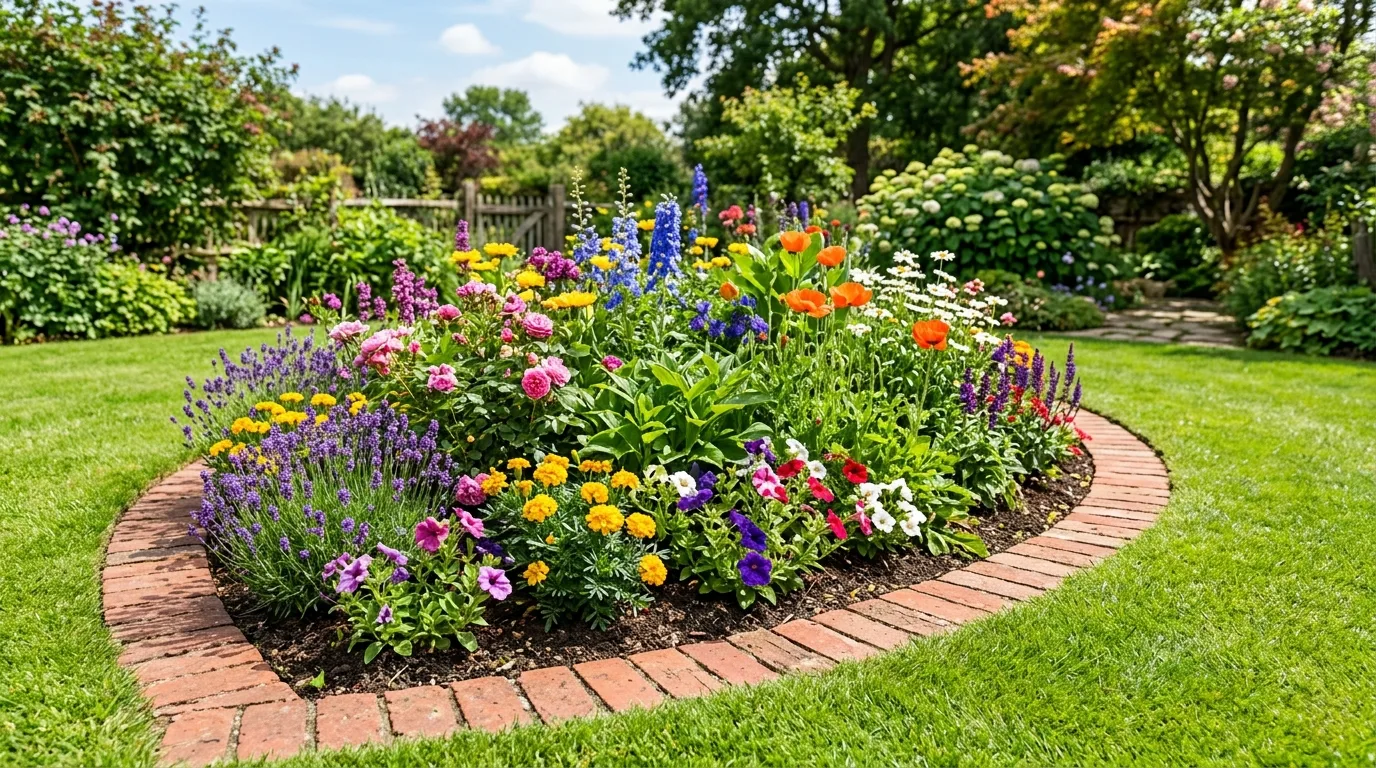
A circular form can make the bed feel more sculptural and help one planting zone become a focal point in the yard. Mixed wood and stone give it more texture and presence.
13. Combine several recycled bed types into one sustainable garden
The most impressive recycled raised-bed gardens often mix materials such as pallets, barrels, brick, and metal in ways that still feel organized. That variety adds character while keeping the whole garden productive.