Fill a sunny garden with reliable perennial color through layered planting ideas for coneflowers, salvia, lavender, grasses, daisies, and other sun-loving favorites.
- Choose perennials that genuinely enjoy strong light instead of simply tolerating it.
- Layer heights and flower forms to make a sunny bed feel full and intentional.
- Sun-loving perennials can still create many looks, from cottage to modern to drought-tolerant.
1. Start with a classic sunny perennial mix
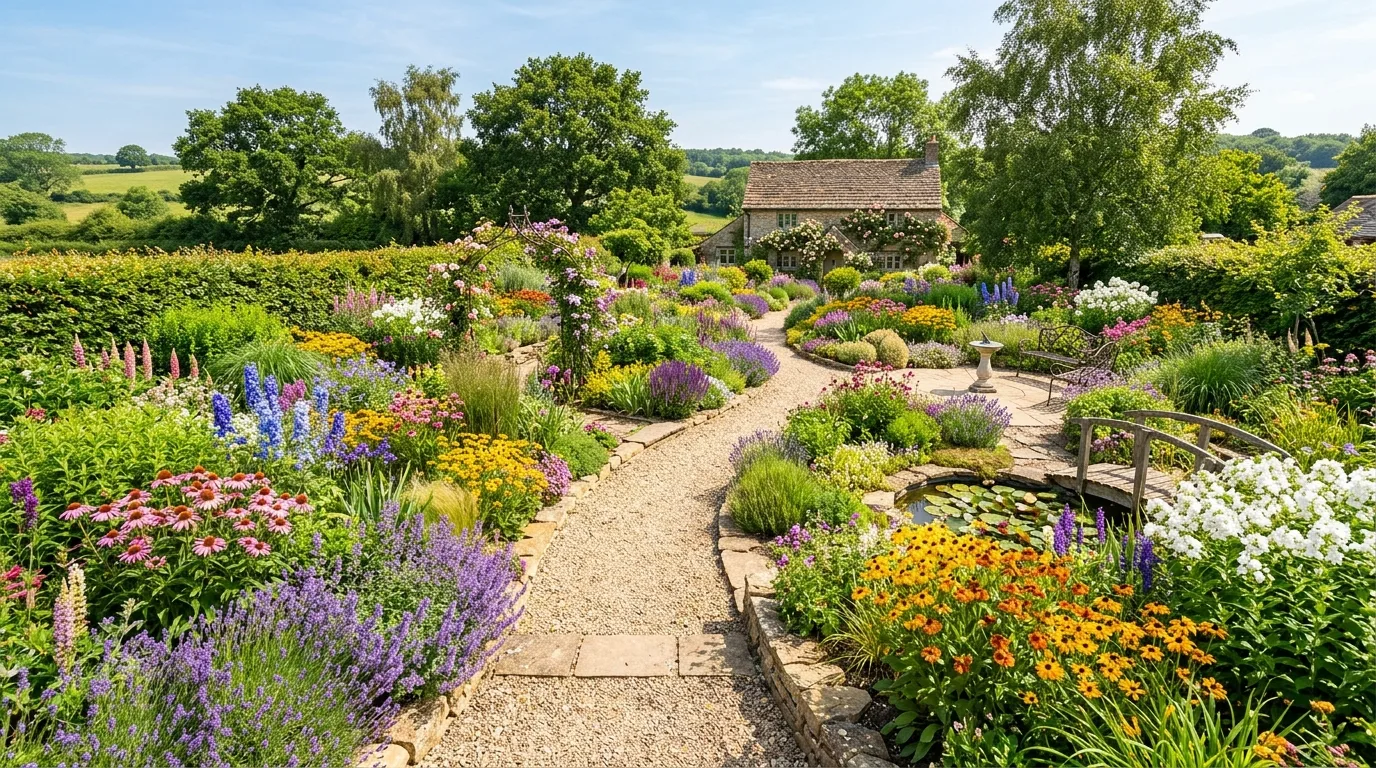
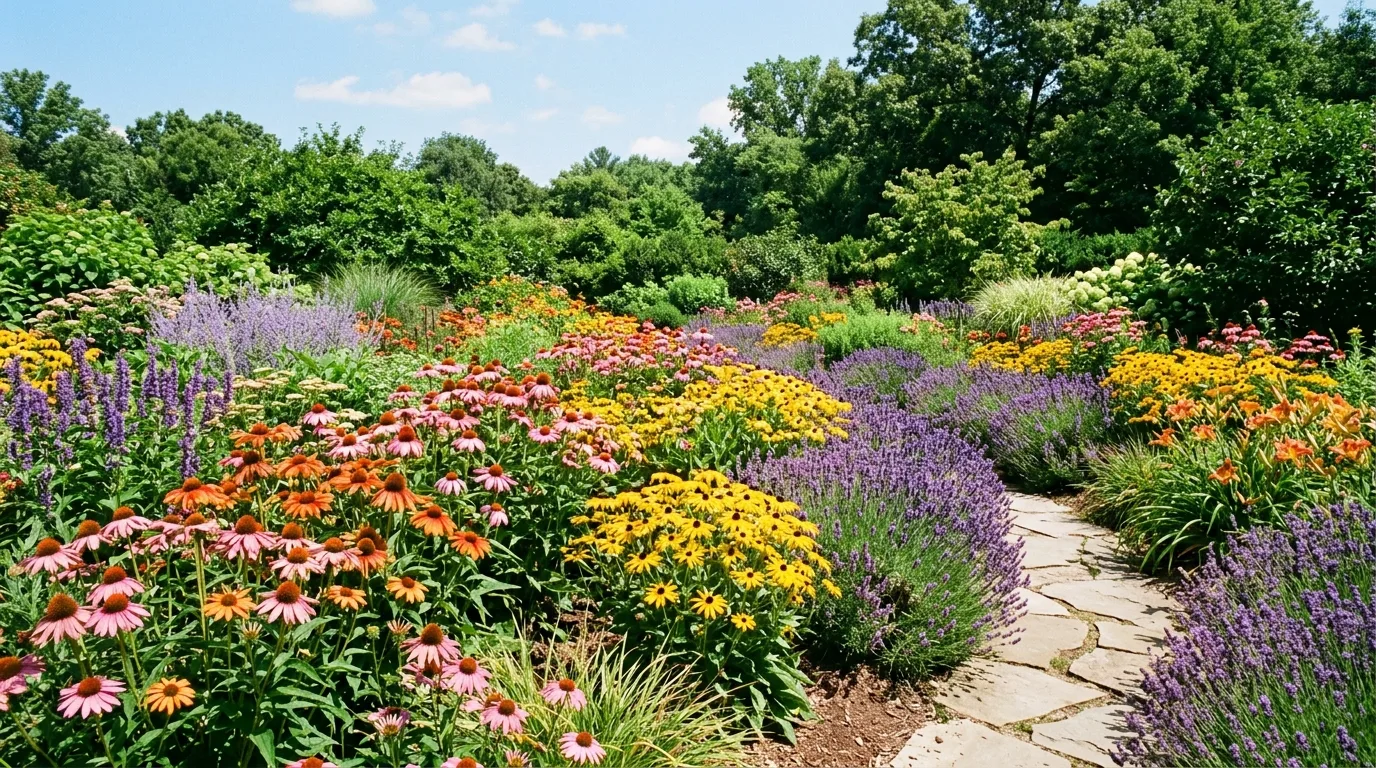
Coneflowers, black-eyed Susans, and lavender create one of the easiest and most rewarding full-sun combinations. The planting feels colorful, structured, and pollinator-friendly all at once.
2. Layer the flowerbed by height and color
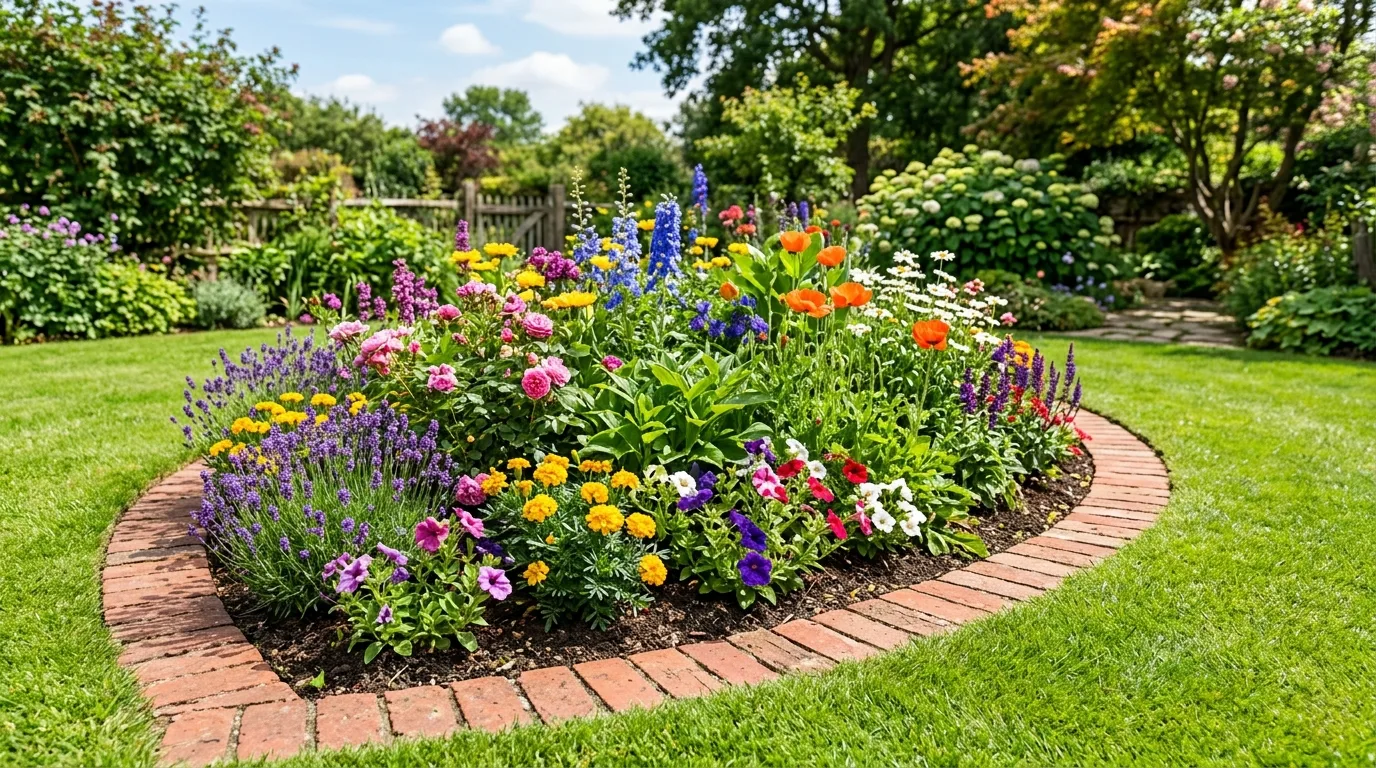
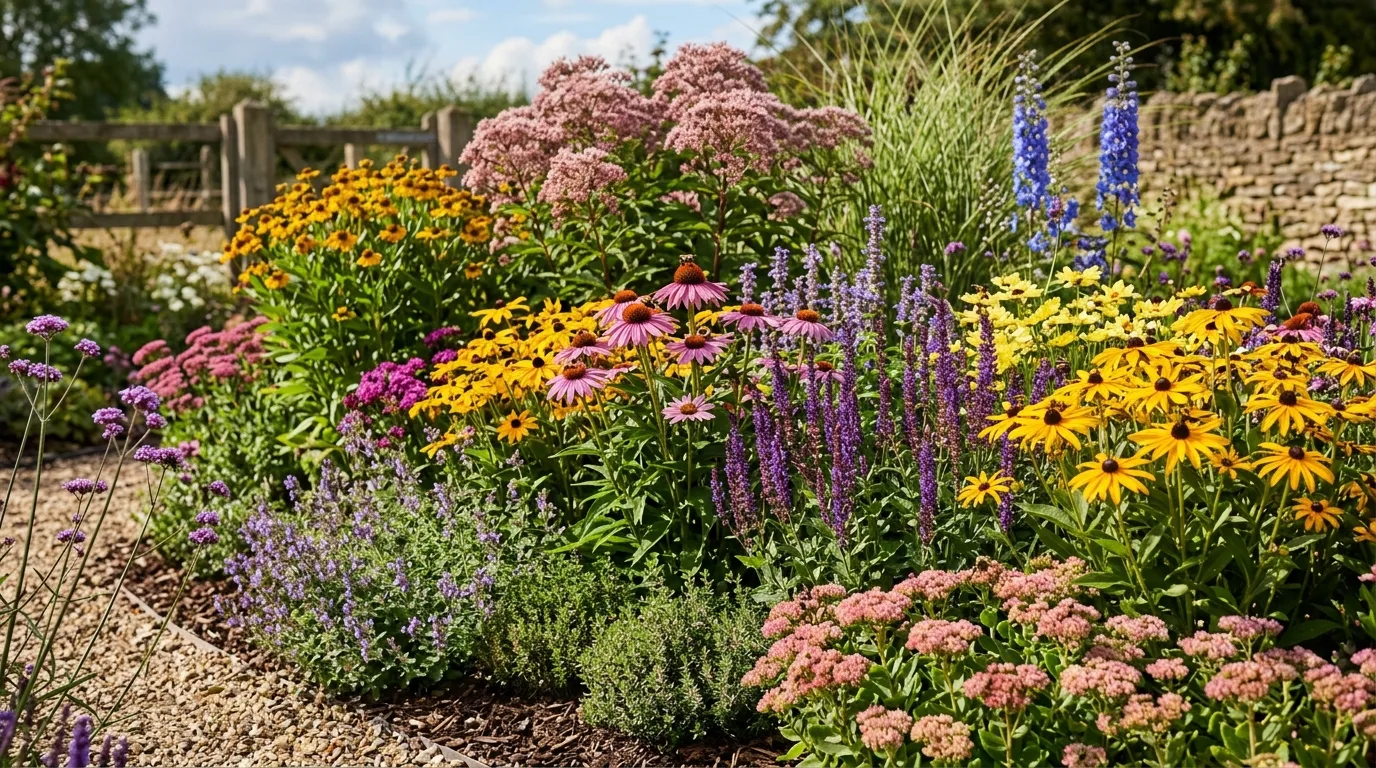
A bed feels stronger when shorter mounds, mid-height bloomers, and taller accents all work together. This is especially important in bright spaces where every layer is clearly visible.
3. Use cottage-garden favorites in full sun
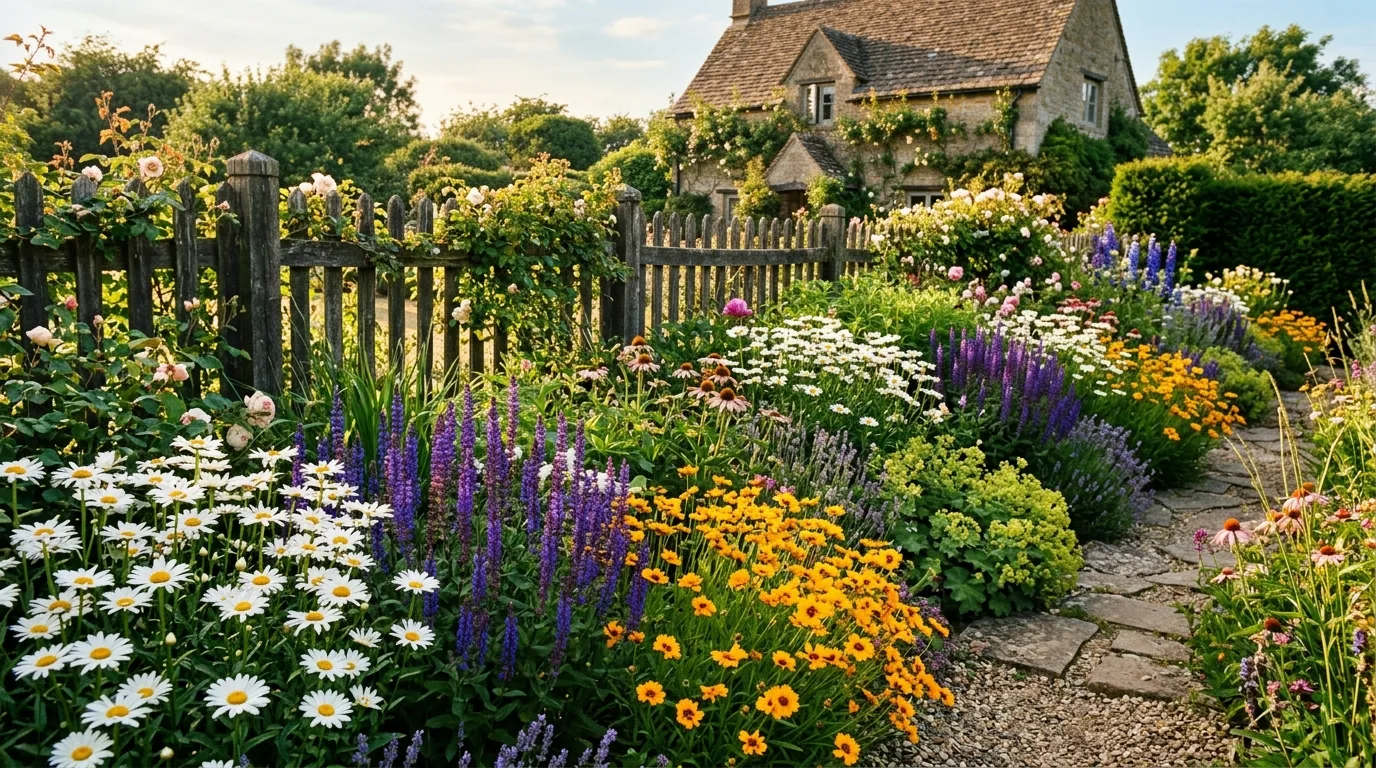
Daisies, salvia, and coreopsis bring a softer cottage feeling to a bright yard without sacrificing resilience. A rustic fence or looser layout makes the whole look feel even more charming.
4. Try a drought-tolerant perennial palette
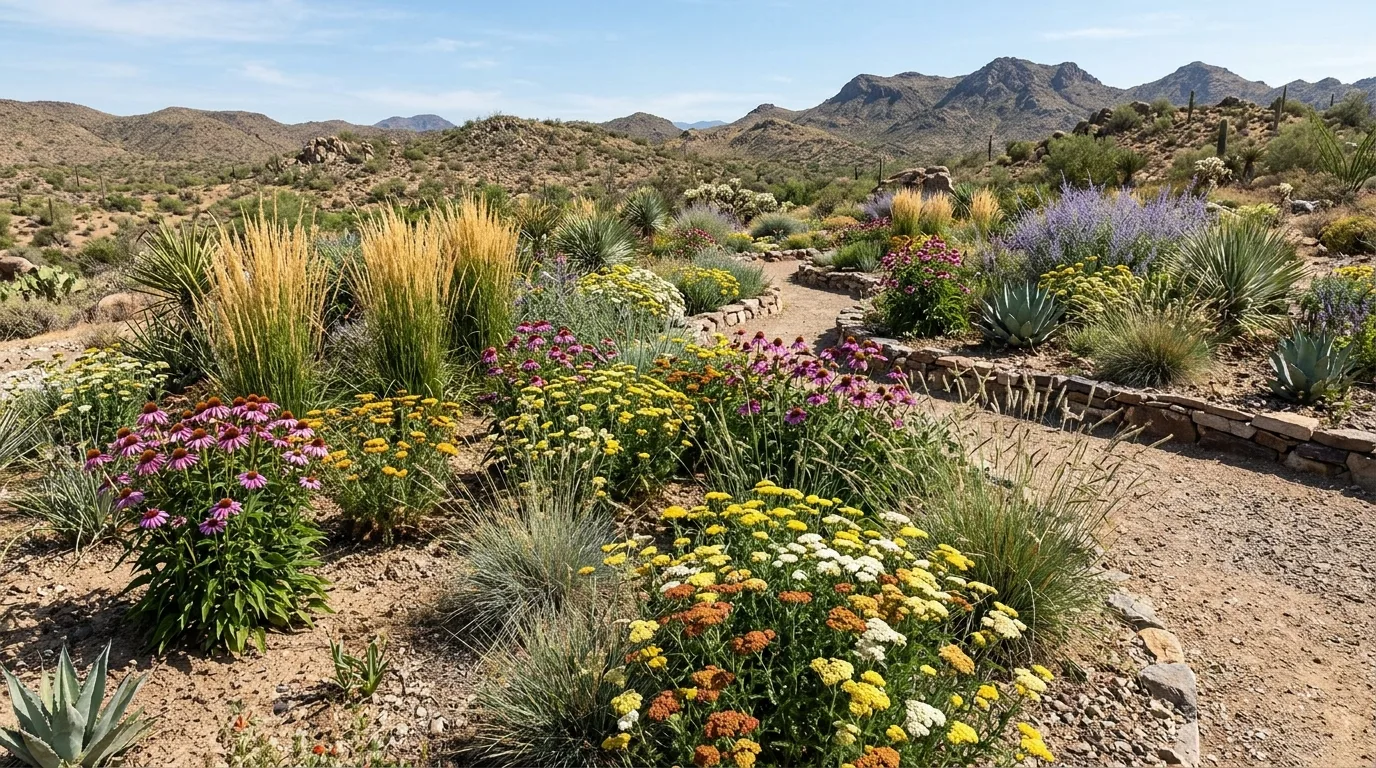
Echinacea, yarrow, and ornamental grasses are perfect for hot, dry conditions where the planting still needs to feel beautiful. This kind of garden often becomes more textural and refined over time.
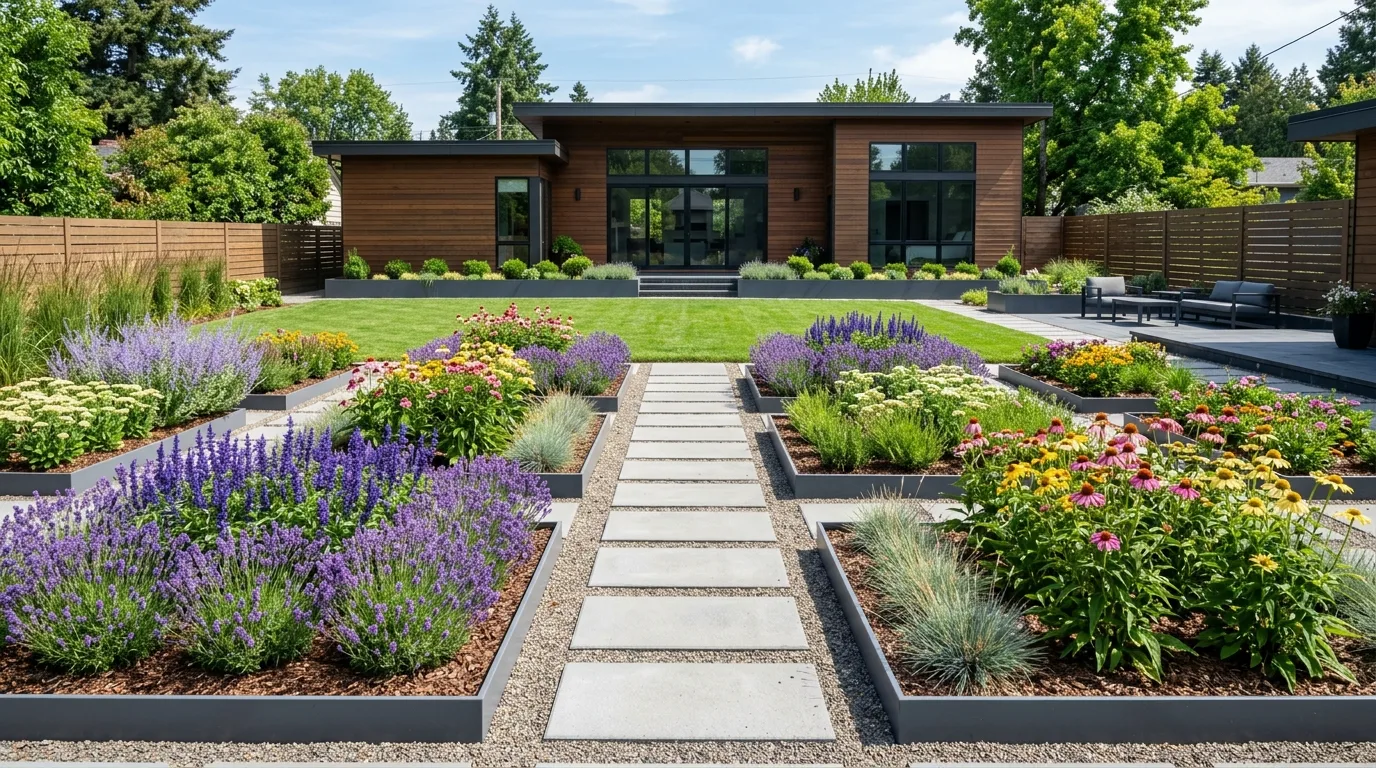
5. Use geometry for a more modern sunny yard
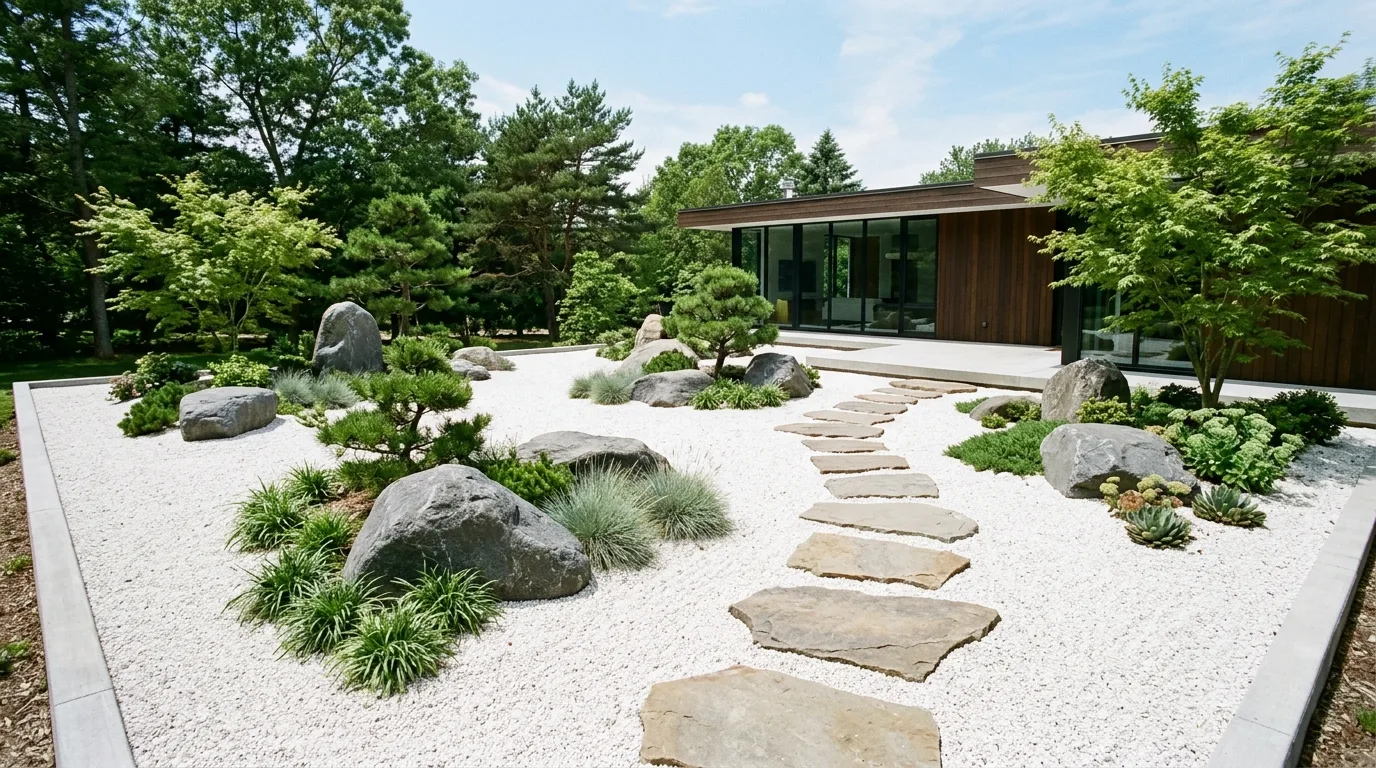
Full sun planting can feel contemporary when the beds are cleanly shaped and the plant groupings are repeated with intention. Strong structure helps the bold light feel more controlled.
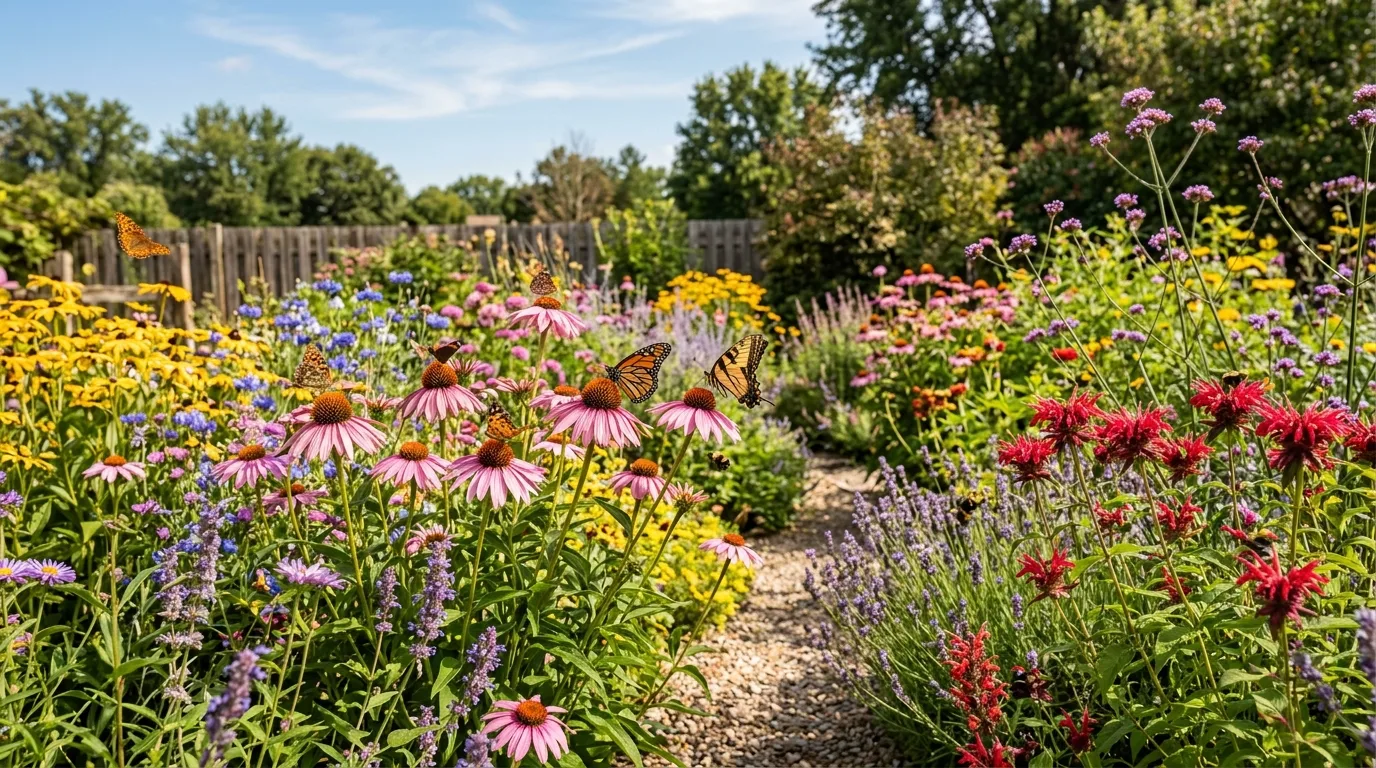
6. Focus on pollinator-friendly perennial blooms
Sunny perennial gardens can be especially active and lively when they are planted with bees and butterflies in mind. The movement of pollinators adds another layer of beauty to the bed.
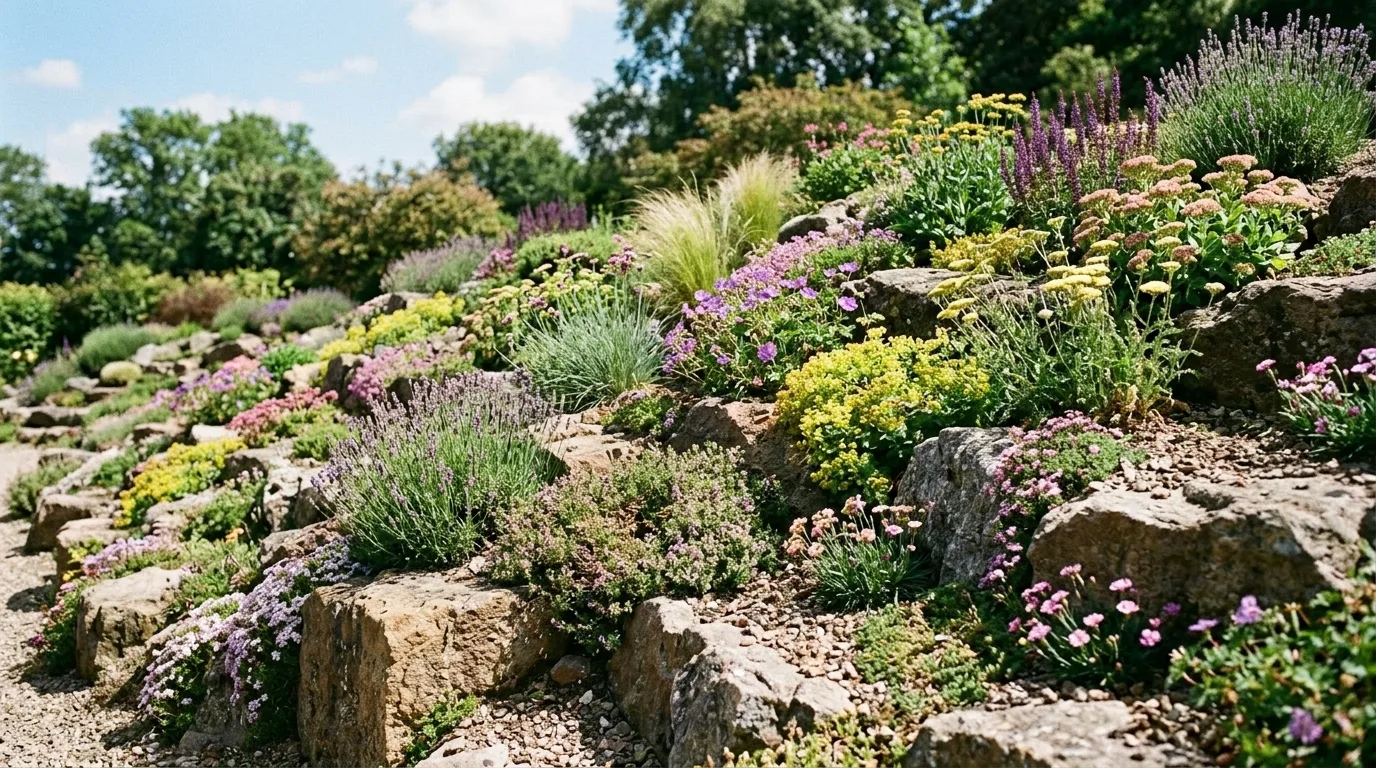
7. Fill a rocky slope with sun-lovers
Many full sun perennials look especially natural tucked between stone and gravel on a slope. This is a practical and attractive way to handle more difficult terrain.
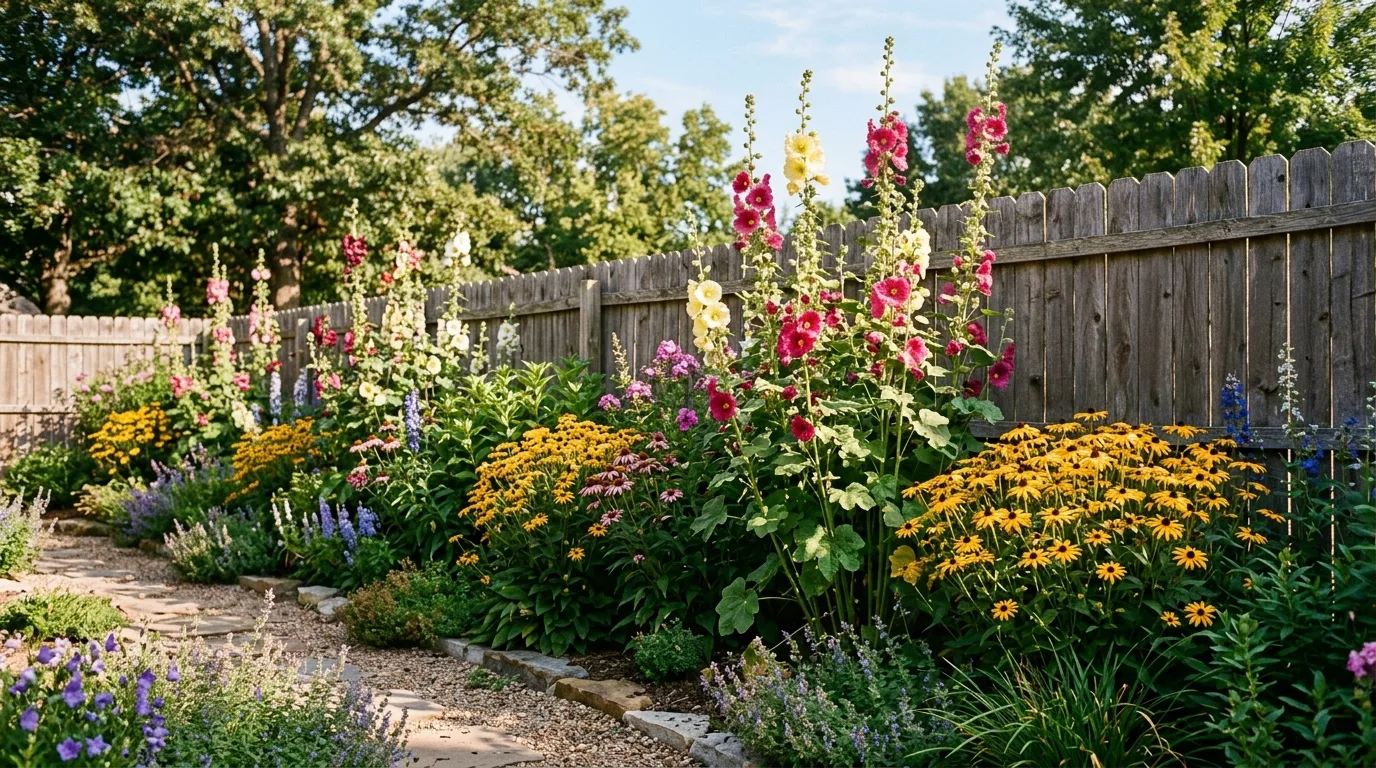
8. Line a fence with taller blooming perennials
Hollyhocks, rudbeckia, and other taller bloomers make wonderful sunny backdrops along fences and boundaries. They help the garden feel more layered and more immersive.
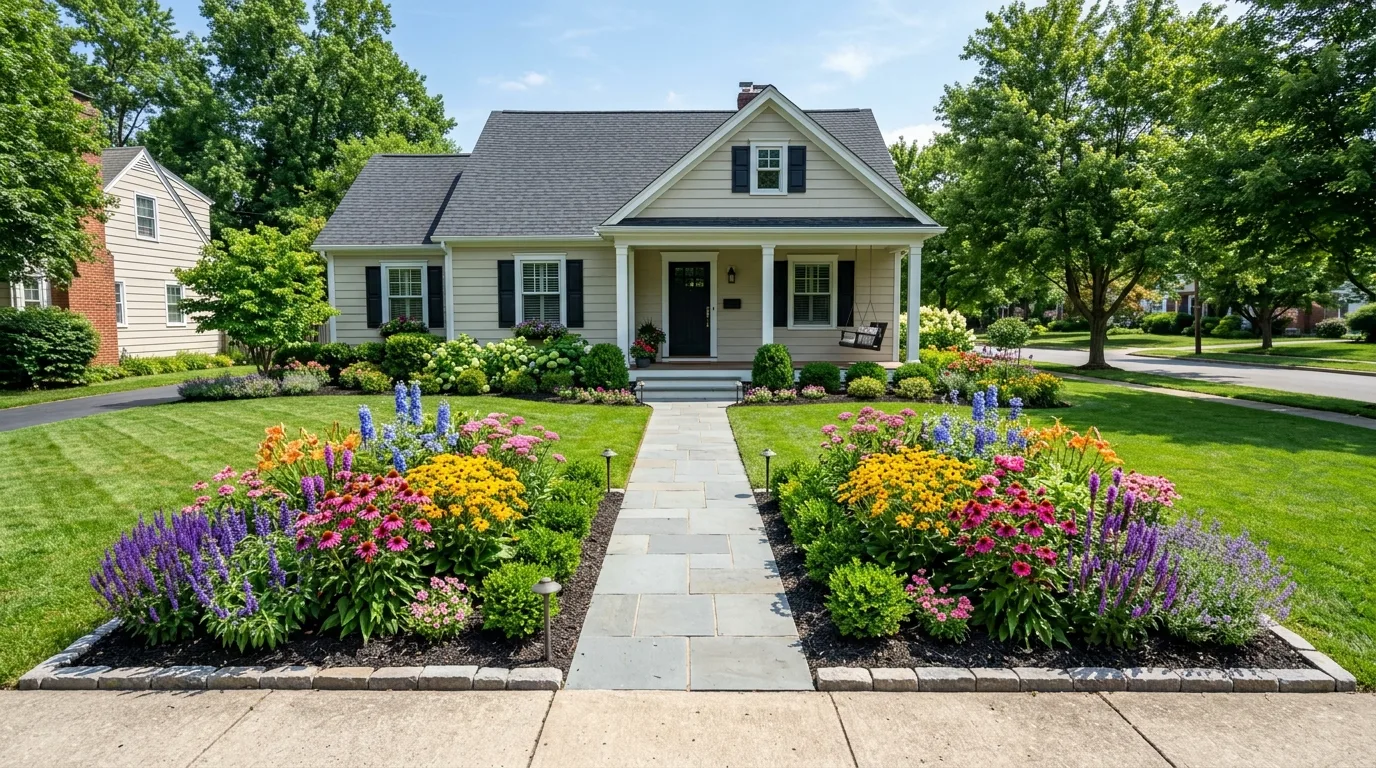
9. Use sunny perennials to boost front-yard curb appeal
Symmetrical beds planted with bright full-sun perennials can make a front yard feel lively and well cared for with relatively low complexity. The flowers do a lot of the visual work quickly.
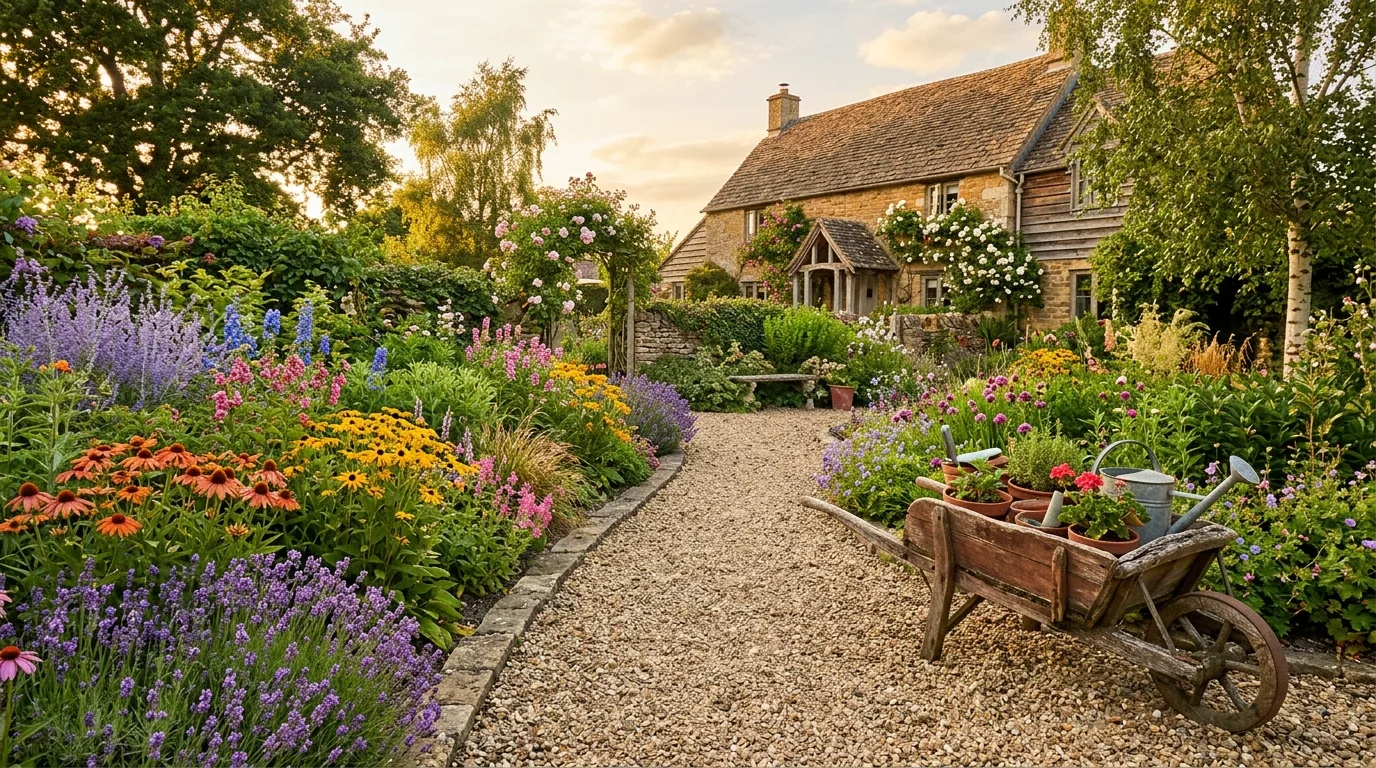
10. Add rustic details around perennial clusters
Perennial planting can feel even more inviting when it is paired with gravel paths, a wheelbarrow, or other farmhouse touches. The decor should support the flowers rather than compete with them.
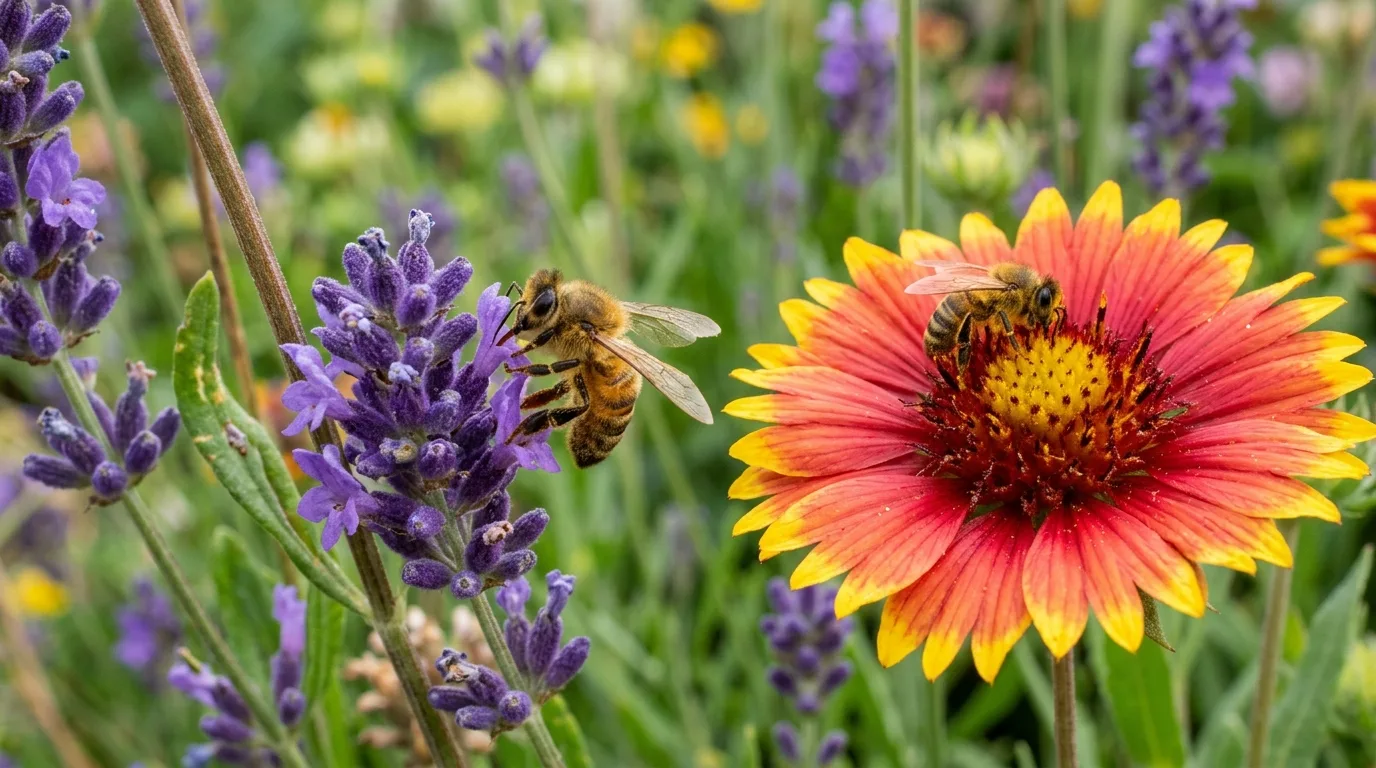
11. Appreciate the details up close too
Sunny perennials are not just strong from a distance. Plants like lavender and blanket flower also reward close views with texture, pollinator activity, and rich bloom detail.
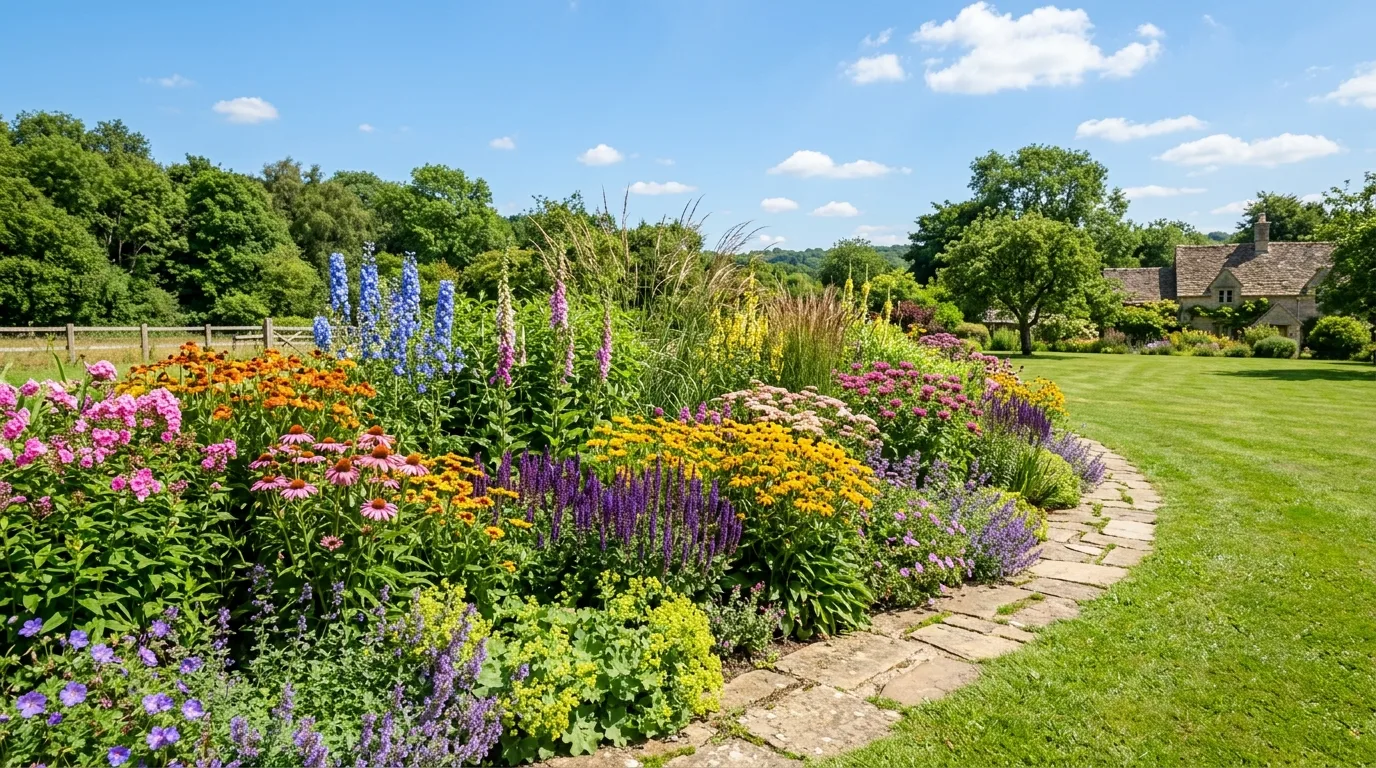
12. Mix many sun-loving forms in one deep border
A well-designed mixed bed feels full because every plant contributes something different, from spikes and mounds to airy bloom clusters. Full sun makes those differences easy to see and enjoy.
13. Let the whole sunny garden feel cohesive
The most beautiful full-sun perennial gardens are not just collections of strong plants. They feel unified because color, rhythm, and structure are repeated across the entire yard.